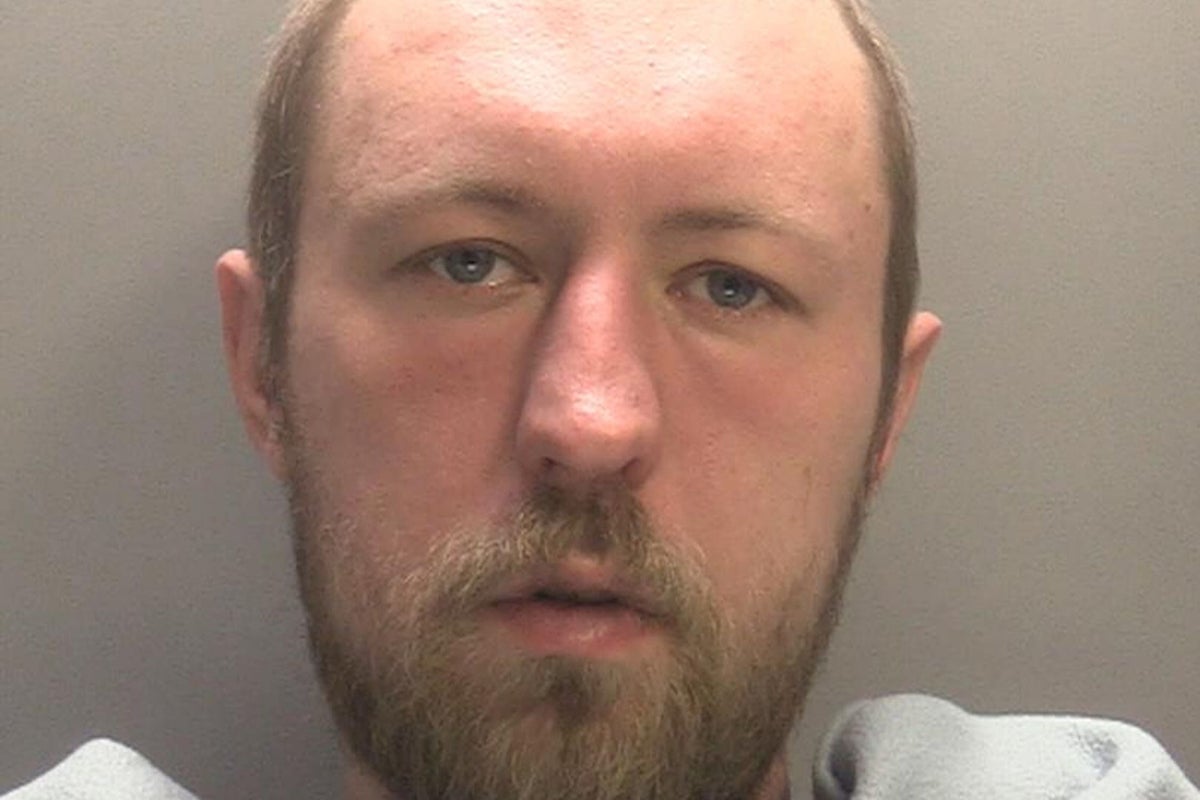
The judge who sentenced John Ashby for the religiously aggravated rape of a stranger expressed concern that the 32-year-old was discharged after treatment for a psychotic episode without an after-care package.
Birmingham Crown Court was told Ashby was homeless at the time he followed and raped his victim in Walsall last October, having been discharged by medical staff three days earlier.
The court heard that “a decision was made that he was no longer psychotic”, but Mental Health Act requirements that he be given a support package were not followed.
Before sentencing Ashby to life with a minimum term of 14 years, Mr Justice Pepperall told him: “You have previous convictions for carrying weapons, criminal damage, assault and battery, theft, possession of drugs, harassment, and breach of a restraining order.
“Between the 5th of September and the 22nd of October 2025, you were detained in a mental hospital under Section 2 and then Section 3 of the Mental Health Act 1983.
“On admission to the psychiatric intensive care unit, you were psychotic. You were hearing voices, you believed others could control and read your thoughts, and you suffered paranoid and persecutory delusions.
“You made good progress and by the 13th of September you had been transferred to an acute ward. By the 24th of September your thought process was no longer disordered.”
Among several disturbing entries in Ashby’s medical records, the judge said, was an incident where Asbhy, who was high on drugs, had grabbed a female on the street.
The court heard the stranger screamed for help and others intervened, with Ashby claiming that he was “sexually frustrated”.
There were also repeated reports that Ashby was still abusing drugs when allowed out on leave, and also that he was “violent, threatening, abusive and racist” on a number of occasions during his detention in a secure unit.
When Ashby was discharged on October 22 last year – three days before the rape – he had punched a member of staff multiple times to his head and face, and made threats to kill him.
The judge told Ashby: “Only you are responsible for your subsequent actions.
“Nevertheless, I am concerned that the medical records indicate that you were discharged without any proper after-care arrangements in place as required (under the Mental Health Act).
“Structured after-care after a period of detention under the Act and, at the very least, accommodation upon discharge is important not just in the best interests of the patient but in order to manage the risk that the patient may pose to public safety.”
Large fire breaks out in Manchester as firefighters tackle blaze
‘I lost my wife and daughter in the Air India crash. Now I’m being told to leave UK’
Assisted dying Bill runs out of time but supporters vow fight is not over
Dot Cotton actress asked for help to get assisted death, Michael Cashman says
UK regulator part of international crackdown on finfluencers acting illegally
Movement for Scottish independence ‘unstoppable’, says Polanski