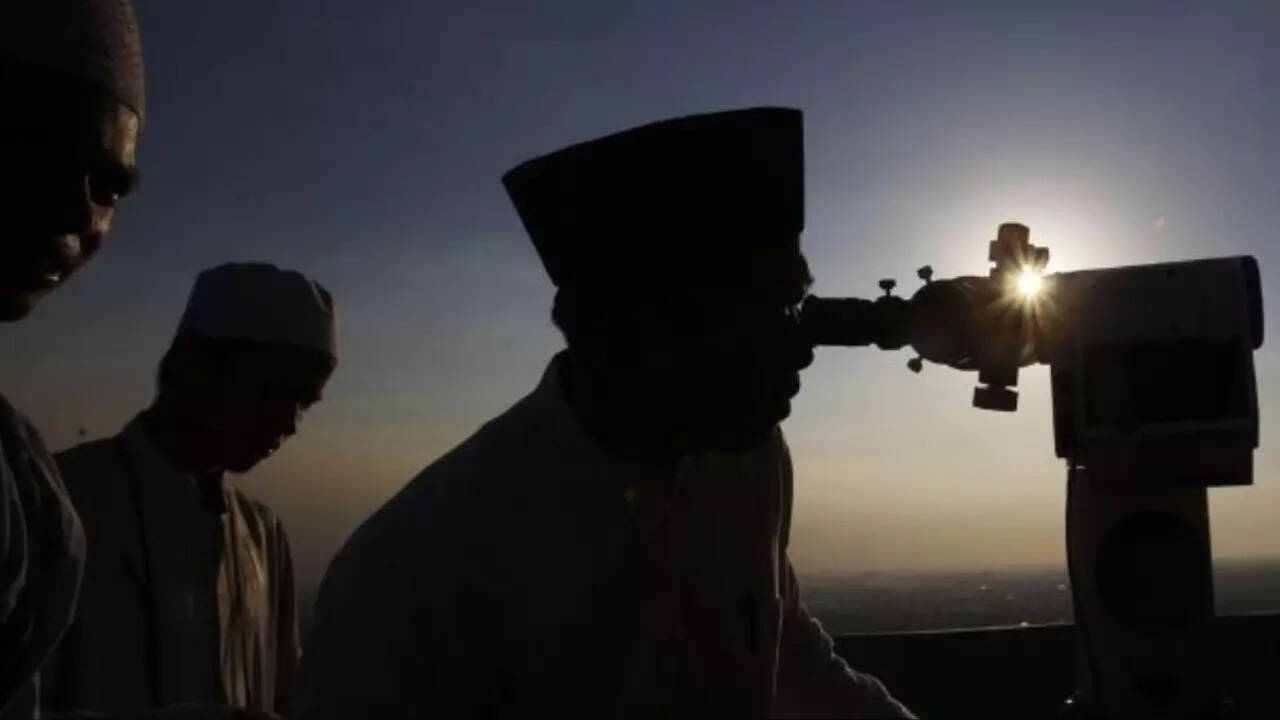
Every year, millions of Muslims around the world eagerly await the sighting of the Ramadan crescent moon, a moment charged with spiritual, historical and community significance. Unlike most holidays governed by a fixed date on the Gregorian calendar, Ramadan follows the Islamic lunar calendar and begins only once the new moon (hilal) is observed after maghrib or sunset on the 29th day of the preceding month, Shaban. This crescent moon sighting, sometimes visible to the naked eye and confirmed by religious committees, marks the official start of Ramadan, a month dedicated to fasting, prayer, reflection and charity.
The practice of moon sighting is rooted in Islamic tradition and scripture, where seeing the crescent serves as both a marker of time and a moment of communal anticipation. Muslims gather after sunset, often looking toward the horizon with friends and family, wishing each other “Ramadan Mubarak” when the first sliver of the new moon appears. This act symbolises not just the beginning of a fast but the beginning of a month of spiritual discipline, increased worship and empathy for others.