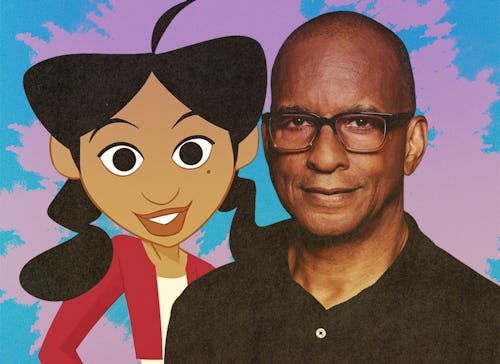
When Disney’s The Proud Family debuted in 2001, it was the first original animated series on the network and it revolved around a Black family — but it also included characters with varied religious, ethnic, and socio-economic backgrounds. The show was centered on a 14-year-old girl named Penny, and her chaotic life as a teenager navigating family and friendships. Penny’s motley crew included the sassy and sometimes overzealous Dijonay, the frenemy and Afro-Latina princess LaCienega Boulevardez, an awkward Jewish girl named Zoey Howzer, and Sticky Webb, the only guy in Penny’s crew who always kept his third eye open. Penny’s family included her over-protective father Oscar Proud, her career-driven mother Dr. Trudy Proud, her wrestling-loving paternal grandmother Suga Mama, and her toddler twin siblings BeBe and CeCe. The show’s diverse elements had the makings of what became a multigenerational cult favorite, but after three seasons and a TV movie, its run was over. It seemed like a happy ending, but it still left fans, and even the show’s creators, wanting more.
“We couldn’t quite figure out why The Proud Family ended because we knew there was this love of the show that spoke to kids and adults,” explains Ralph Farquhar, series co-creator and one of the most prolific minds in TV and film. “We knew we had more stories to tell.”