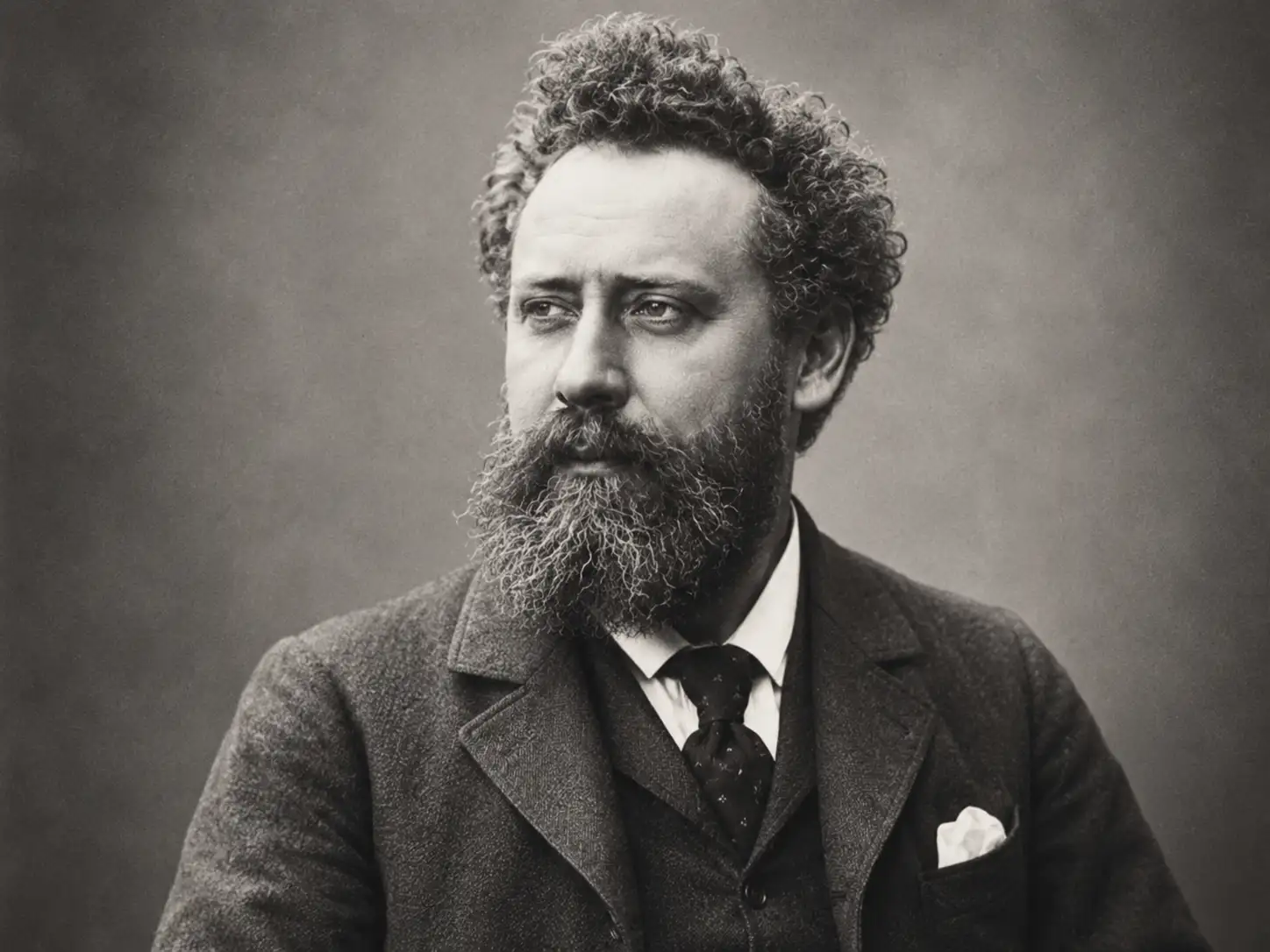
Quote of the day by William Ernest Henley highlights the importance of living with courage, purpose, and participation. The line, "Life – life – let there be life!", reflects the poet's belief that people should embrace every part of life, including struggle and uncertainty. Henley wrote these words after experiencing years of illness and hardship. His personal experiences shaped his outlook and inspired many of his works. The message continues to remain relevant because it encourages people to face challenges, make their own choices, and stay engaged with life instead of withdrawing from difficult situations.

Quote of the day today
The quote is,
"Life – life – let there be life!"
William Ernest Henley wrote the line as a call to experience life completely. Instead of choosing a quiet or passive existence, he encouraged people to take part in every opportunity life presents. The quote values action over hesitation. It suggests that life should be lived through experiences, effort, learning, and courage.
Henley believed that both joyful and difficult moments form a complete human life. According to his message, avoiding hardship also means missing opportunities for growth. His words continue to inspire readers because they focus on living with purpose despite uncertainty.
Quote by William Ernest Henley: Meaning and relevance today
The quote remains meaningful because every person faces moments of uncertainty, disappointment, or hardship. Henley reminds readers that life is not meant to be watched from a distance. Instead, people should become active participants in their own journey. The phrase also encourages emotional resilience. Difficult experiences do not define a person forever. They provide opportunities to discover inner strength.
Many people today face career challenges, family responsibilities, health concerns, or personal setbacks. Henley's words suggest that these experiences are part of life and should be faced with determination rather than fear. The message also encourages people to move beyond self-imposed limitations and continue pursuing their goals.
Life lessons from William Ernest Henley's words
The quote offers several lessons that remain relevant across generations.
Choose active engagement
Henley believed people should actively participate in life instead of simply observing it. Taking action creates opportunities for learning, growth, and meaningful experiences.
Accept adversity as part of life
Henley experienced illness and physical suffering throughout his life. His experiences taught him that challenges are not only obstacles but also opportunities to discover personal strength. The quote encourages people to understand that difficult moments can help shape character.
Take responsibility for your future
Henley became widely known for his poem Invictus, which carries the message that people should take responsibility for their own lives. Although circumstances cannot always be controlled, personal choices and responses remain within one's control.
Live without unnecessary regrets
The words "Life – life – let there be life!" encourage people to let go of fear and hesitation. The message suggests following passions, facing challenges directly, and making full use of opportunities.
How Henley's personal struggles shaped his philosophy?
William Ernest Henley was born on August 23, 1849, in Gloucester, Gloucestershire, England. He was the son of a bookseller and studied under the poet T. E. Brown. As a young man, Henley developed tuberculosis of the bone. The disease later led to the amputation of one of his legs.
His remaining leg was saved through the treatment of surgeon Joseph Lister, whose medical methods were considered innovative at the time. Henley spent nearly 20 months in an Edinburgh hospital between 1873 and 1875. Rather than giving up during this period, he began writing poems based on his experiences inside the hospital. These poems later established his literary reputation. His personal struggles became the foundation of many of his ideas about courage, endurance, and resilience.
The connection with Hospital Sketches and Invictus
The line "Life – life – let there be life!" comes from Henley's work connected with his hospital experiences. His writing reflected both suffering and hope. During the same period, he also wrote Invictus in 1875.
The poem ends with two of the most recognised lines in English literature:
"I am the master of my fate;
I am the captain of my soul."
These lines express the same philosophy found in today's featured quote. Both works encourage people to remain mentally strong even when facing difficult circumstances.
His literary career beyond poetry
After recovering, Henley became active as an editor and literary critic. He edited The Magazine of Art between 1882 and 1886. During this time, he supported artists including James McNeill Whistler and Auguste Rodin. He also contributed to the Encyclopaedia Britannica.
In 1889, he became editor of the Scots Observer in Edinburgh. The publication later moved to London in 1891 and became the National Observer. Although the publication maintained conservative political views, it welcomed different literary voices. Henley encouraged and published writers who later became major literary figures.
These included:
- Thomas Hardy
- George Bernard Shaw
- H.G. Wells
- James Barrie
- William Butler Yeats
- Rudyard Kipling
Many young writers remembered him as a demanding editor who also encouraged new talent.
Friendship with Robert Louis Stevenson
Henley's friendship with novelist Robert Louis Stevenson began in 1874 while Henley was still recovering in hospital. The friendship remained close for many years. Stevenson later used Henley as one of the inspirations for the character Long John Silver in Treasure Island. Henley's physical disability, determination, and personality influenced the famous fictional character.
Why the quote continues to inspire people?
Henley's words remain relevant because they encourage people to face life instead of avoiding it. The quote teaches that challenges should not stop personal growth. It reminds readers that meaningful experiences often come through effort, courage, and participation.
His own life demonstrates that difficult circumstances do not prevent a person from making lasting contributions. The message continues to encourage students, professionals, families, and anyone facing personal struggles to keep moving forward with purpose and determination.