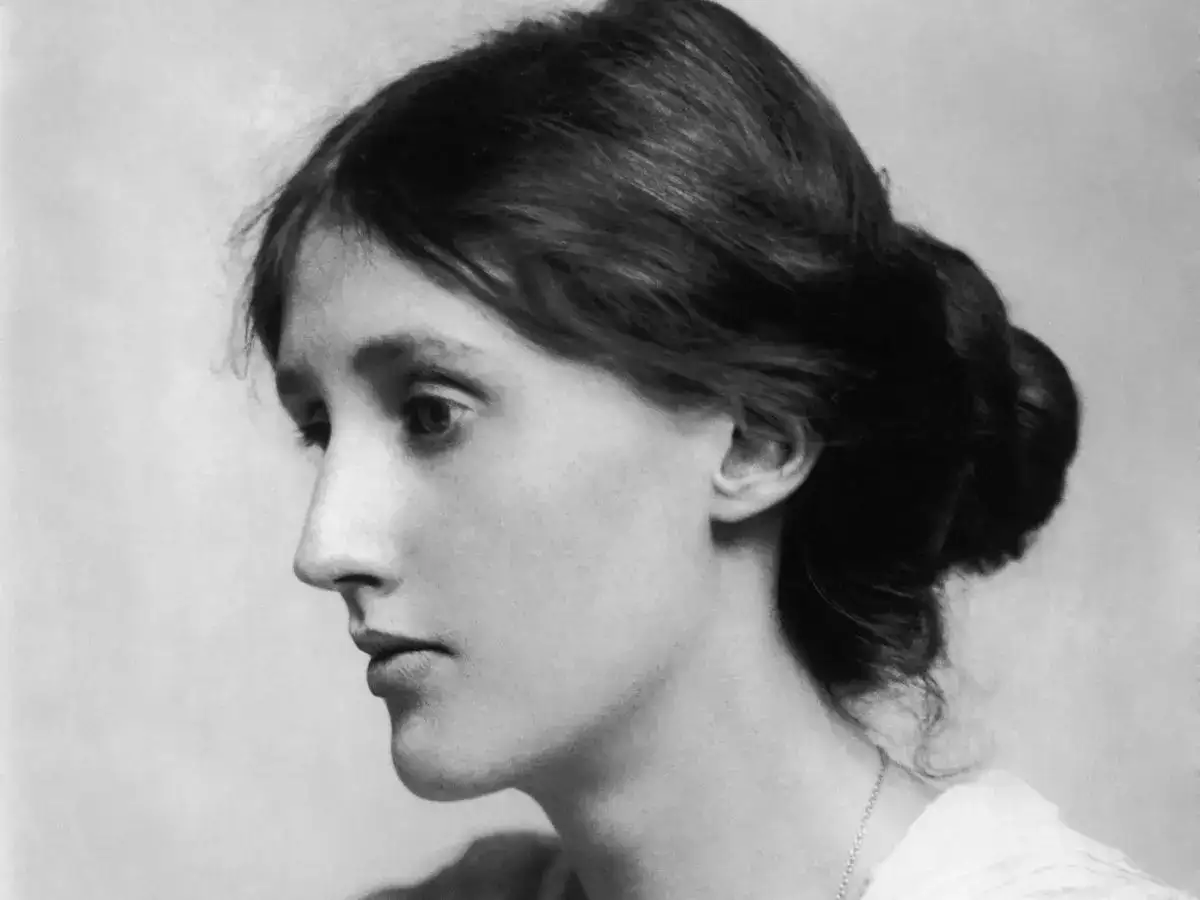
Memory has a peculiar way of editing our lives. A moment that felt ordinary while it was happening can acquire extraordinary emotional weight years later. A familiar room, a conversation with a friend or even an uneventful afternoon can suddenly seem precious once it belongs to another version of our lives.
Few writers explored that strange relationship between memory, time and emotion as deeply as Virginia Woolf. Her novels and essays repeatedly examined how people experience the present, how memories reshape it and how the mind turns fleeting moments into something permanent.