
Get all your news in one place.
100's of premium titles.
One app.
Start reading
The Economic Times
The Economic Times
Piyush Shukla

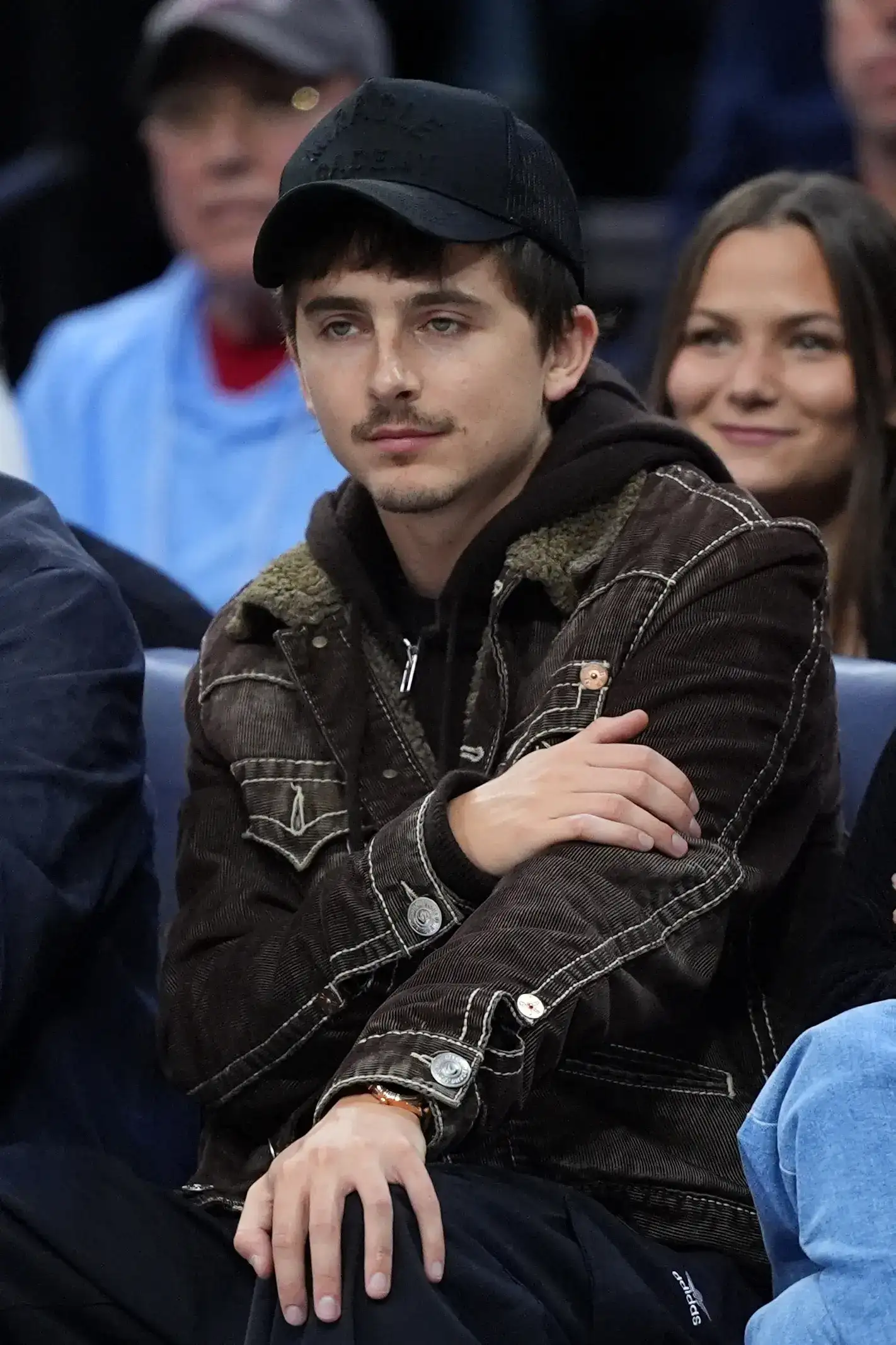
Quote of the Day by Timothée Chalamet: “I think the most crucial thing is to allow yourself to be vulnerable, even when everything in you wants to put up a...” — a deeper lesson on vulnerability, authenticity, emotional courage and self-acceptance by the Oscar-nominated actor known for his expressive performances in Call Me by Your Name, Dune, and Wonka

Quote of the Day by Timothée Chalamet: Timothée Chalamet’s words about vulnerability point to a difficult truth: real confidence does not always come from protecting yourself. Sometimes, it comes from allowing yourself to be seen. His career, from Call Me by Your Name and Dune to Wonka and A Complete Unknown , offers an interesting backdrop to that idea. Behind the fame is an actor who has repeatedly chosen roles that require emotional exposure, uncertainty and a willingness to reveal something human. Chalamet has spoken publicly about vulnerability in much clearer terms elsewhere.

In a 2018 conversation with Harry Styles for i-D , he described vulnerability as something that can exist in both art and intimacy, and argued that it is not a weakness or a social barrier. He connected it to being human and accepting that people are emotionally complicated.

Quote of the Day Today: Inspiring Life Lesson on Vulnerability and authenticity

Quote of the Day by Timothée Chalamet: "I think the most crucial thing is to allow yourself to be vulnerable, even when everything in you wants to put up a guard. We spend so much energy trying to look like we have it all together, but the real beauty comes from the unpolished moments—when you care deeply, risk looking foolish, and embrace the fact that you’re still a work in progress."

— Timothée Chalamet

Meaning of Timothée Chalamet’s quote about vulnerability

The most powerful part of the quote is not simply the word “vulnerable.” It is the tension between vulnerability and the instinct to protect ourselves. That unfinished phrase about wanting to “put up a...” naturally points toward the walls people build when they are afraid of being hurt. We become distant after rejection, quiet after embarrassment and defensive after criticism. The wall may protect us for a moment, but it can also keep out the people and experiences we genuinely need.

Sign up to read this article
Read news from 100's of titles, curated specifically for you.
Already a member? Sign in here
Related Stories
Top stories on inkl right now
One subscription that gives you access to news from hundreds of sites
Already a member? Sign in here
Our Picks
Fourteen days free
Download the app
One app. One membership.
100+ trusted global sources.







