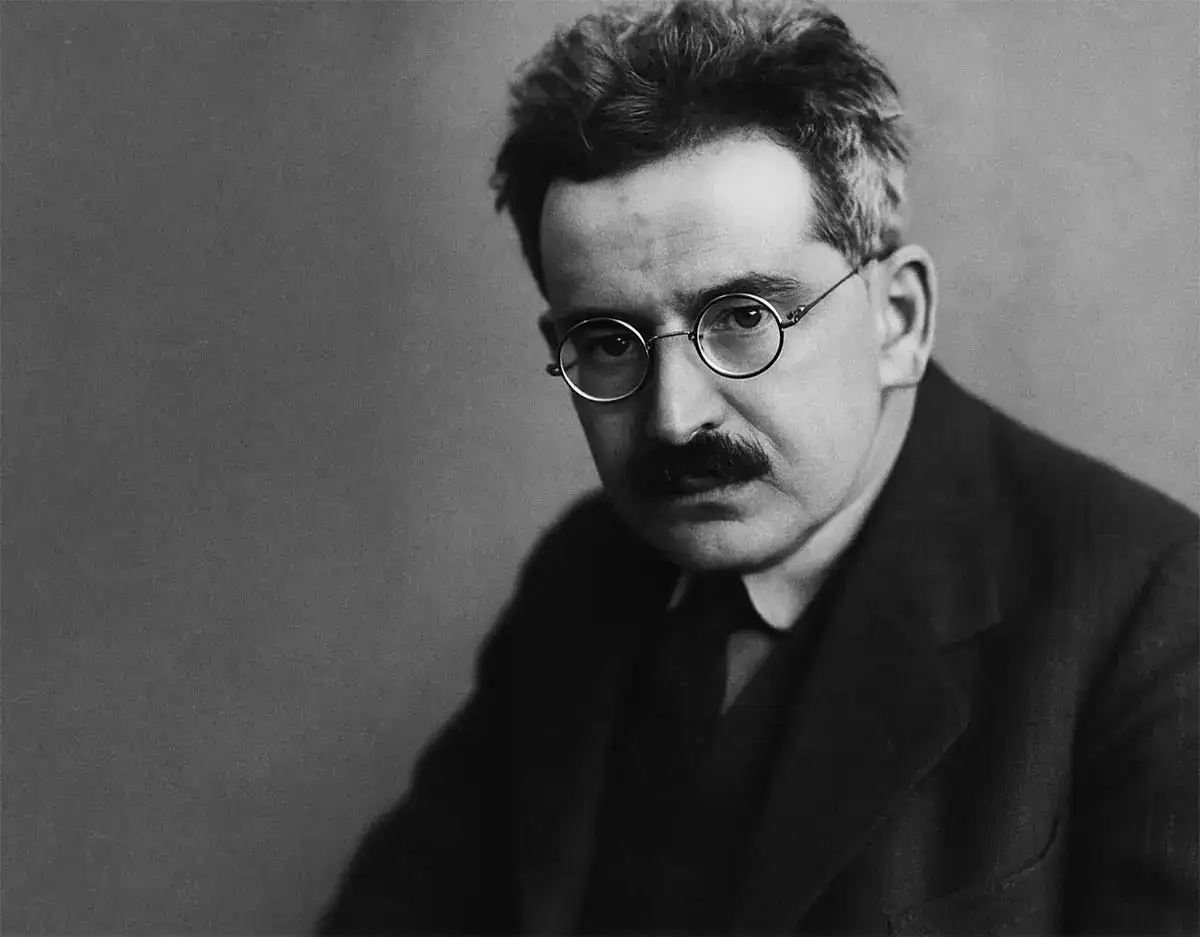
Quote of the day by Walter Benjamin: Memory rarely behaves like a clean archive. It moves like weather across the mind, returning old griefs, forgotten tenderness, unfinished conversations, and silent victories when least expected. The famous Walter Benjamin quote of the day — “Memory is not an instrument for surveying the past but its theater” — continues to resonate because it captures a truth modern life often ignores. Human beings do not simply remember events. They relive them, reinterpret them, and emotionally reconstruct them through time.
In an age obsessed with speed, productivity, and endless scrolling, this Walter Benjamin quote about memory feels unusually alive. People constantly document moments, yet struggle to truly experience them. Benjamin’s words suggest that memory is not a museum filled with labeled objects. Instead, it is a living stage where emotions, identities, regrets, and desires continue performing long after moments disappear.

The quote becomes even more profound when Benjamin compares the past to buried cities beneath the earth. Hidden experiences do not vanish. They remain beneath consciousness, shaping personality, fears, creativity, relationships, and dreams. Anyone attempting to understand themselves must approach memory carefully, like an archaeologist digging through fragile ruins.
The wisdom inside this Walter Benjamin quote also explains why certain smells, songs, streets, or voices suddenly reopen forgotten worlds. A person may think the past is gone, yet memory quietly preserves emotional landscapes beneath ordinary life. Benjamin understood that human memory is not logical. It is dramatic, layered, unpredictable, and intensely alive.
Quote of the day today:
“Memory is not an instrument for surveying the past but its theater. It is the medium of past experience, just as the earth is the medium in which dead cities lie buried. He who seeks to approach his own buried past must conduct himself like a man digging.” ― Walter Benjamin
Quote of the day by Walter Benjamin
The Walter Benjamin quote of the day carries rare emotional depth in a world flooded with noise and distraction. Benjamin reminds readers that memory is not cold information stored inside the brain. It lives, breathes, and changes within human emotions. Old experiences remain buried beneath everyday life and continue shaping identity, fear, hope, and personal truth long after moments disappear.
This powerful quote about memory speaks strongly to modern readers searching for meaning, healing, and self-understanding. Many people spend years escaping painful memories without realizing those hidden experiences still influence their decisions and emotions. Benjamin compares memory to buried cities beneath the earth. That image reveals how deeply the human mind protects forgotten stories, silent wounds, and unfinished emotions.
The quote also teaches that understanding yourself requires patience and courage. Real self-discovery does not happen on the surface. It happens slowly, through reflection, honesty, and emotional excavation. Walter Benjamin’s words continue inspiring readers because they transform memory into something living and human. The quote does not simply explain the past. It explains why the past still quietly lives inside every person today.
Meaning of the quote of the day by Walter Benjamin
The deeper meaning of this Walter Benjamin quote is that human memory does not behave like a machine or history book. People do not simply store the past. They emotionally relive it. Certain memories return suddenly through music, places, smells, or silence. Benjamin explains that memory is alive inside the human mind. It continues shaping emotions, identity, relationships, and personal understanding long after moments end.
The quote also teaches that hidden experiences never fully disappear. Benjamin compares the past to buried cities beneath the earth. That metaphor reveals how forgotten pain, lost happiness, childhood fears, and emotional wounds remain hidden deep inside people. Many individuals believe they escaped the past, yet old experiences silently influence their choices, reactions, and inner struggles every day.
Benjamin’s words ultimately encourage self-reflection and emotional honesty. He suggests that understanding yourself requires patience, courage, and deep introspection. Like a person digging carefully through ancient ruins, people must slowly uncover buried memories to truly understand who they are. The quote becomes powerful because it transforms memory into a journey of self-discovery, healing, wisdom, and emotional truth rather than simple remembrance.
Who was Walter Benjamin?
Walter Benjamin was a German philosopher, cultural critic, essayist, and literary thinker whose ideas transformed modern discussions about memory, art, history, identity, and society. Born in Berlin in 1892, Benjamin became known for his deeply reflective writing style and powerful intellectual insights. His work explored how modern life changes human experience, especially through technology, cities, media, and culture. Even decades later, readers across the world continue studying his ideas because they feel emotionally and philosophically timeless.
Benjamin wrote about subjects many thinkers ignored during his era. He explored memory, loneliness, storytelling, capitalism, urban life, and the emotional impact of modern society on ordinary people. His famous works, including Berlin Childhood around 1900 , revealed how personal memories shape identity and emotional understanding. Unlike many academic philosophers, Benjamin wrote with emotional depth and poetic imagery, which made his ideas feel human rather than distant or cold.
His life was also marked by struggle and displacement during the rise of fascism in Europe. As political conditions worsened in Germany, Benjamin fled persecution and lived in uncertainty across parts of Europe. Despite personal hardship, his writings continued exploring truth, memory, history, and human consciousness with extraordinary sensitivity. Today, Walter Benjamin is remembered as one of the most influential intellectual voices of the twentieth century because his ideas continue helping readers understand memory, modern life, and the hidden emotional layers beneath human experience.
His early years were shaped by academic exploration and a growing desire to understand how modern society influences memory, identity, and storytelling. However, political instability in Europe later forced him into exile, and he spent much of his life moving across cities in search of safety and intellectual freedom.
Benjamin’s life was marked by struggle, uncertainty, and displacement, especially during the rise of fascism in Europe. Despite difficult conditions, he continued writing and thinking with remarkable intensity. He lived in places like Paris and other parts of Europe, often in financial hardship. His life ended tragically in 1940 while attempting to escape Nazi persecution. Even though his life was short and unstable, his intellectual journey left a powerful legacy that continues to influence modern philosophy, literature, and cultural studies worldwide.
Work, success, and achievement of Walter Benjamin
Walter Benjamin’s work is known for its depth, originality, and emotional intelligence. He wrote essays on literature, art, history, memory, and modern society, blending philosophy with poetic expression. His famous writings include The Work of Art in the Age of Mechanical Reproduction and Berlin Childhood around 1900 , where he explored how technology and urban life change human perception. He introduced powerful ideas about memory, storytelling, and the hidden meaning of everyday experience, which remain highly relevant in today’s digital world.
His success did not come in traditional academic recognition during his lifetime, but his influence grew massively after his death. Today, Benjamin is regarded as one of the most important cultural critics of the twentieth century. His ideas shaped fields like media theory, philosophy, literature, and cultural studies. Scholars continue to study his work because it explains how modern life reshapes human memory and identity. His achievement lies not only in what he wrote, but in how deeply his ideas continue to shape global intellectual thought today.