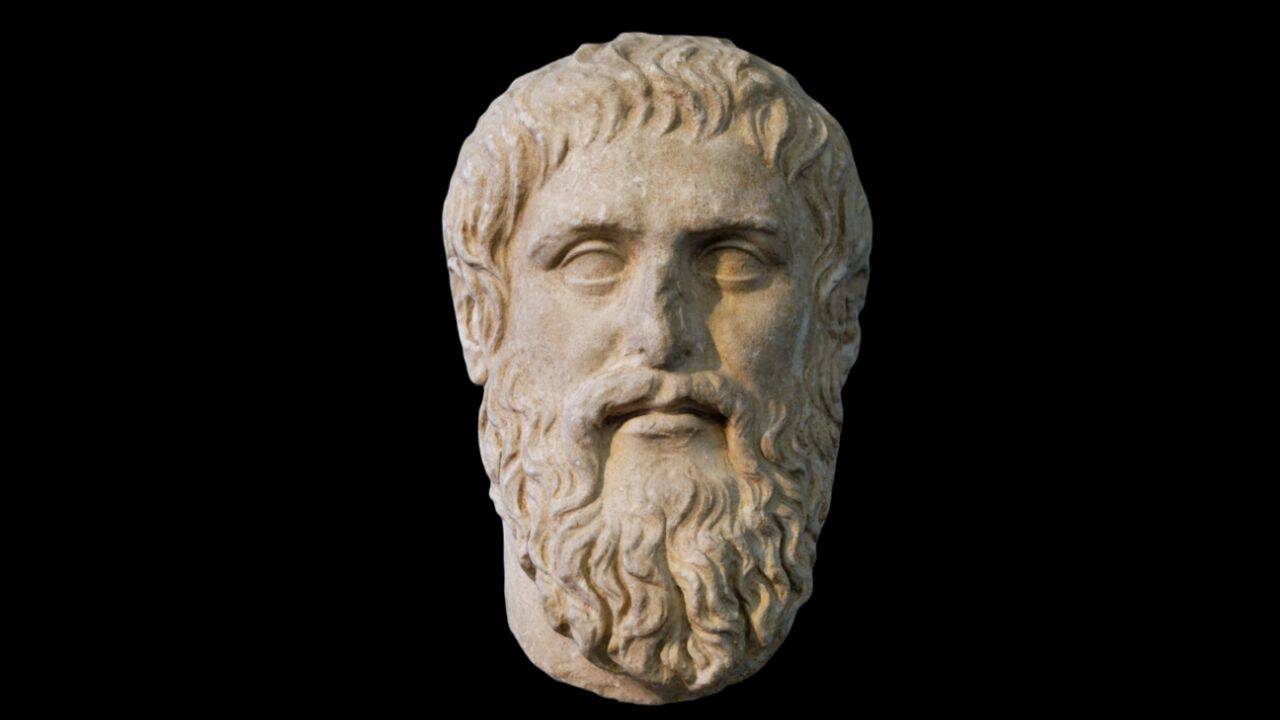
Two people can hit the exact same confusing, unresolved question and respond in completely different ways. One feels the confusion purely as discomfort, something to be resolved as quickly as possible by picking whichever answer sounds most reasonable and then moving on without looking back. The other feels that same confusion as something closer to fascination, a genuine puzzle worth sitting inside rather than rushing past on the way to relief. Plato put this second reaction at the very root of philosophical thinking itself. In the dialogue Theaetetus, written around 369 BC, he has Socrates respond to a young mathematician's confusion, his dizziness at realizing he can't fully explain what knowledge actually is, not with reassurance meant to settle the confusion down, but with something closer to approval, telling him that this exact feeling, wonder, is the mark of someone doing philosophy correctly, rather than a sign that something in the conversation has gone wrong. This ancient insight remains remarkably relevant today, reminding us that genuine intellectual growth requires embracing uncertainty rather than rushing toward comfortable, premature conclusions.
Get breaking news anytime, anywhere. Download the TOI app now!