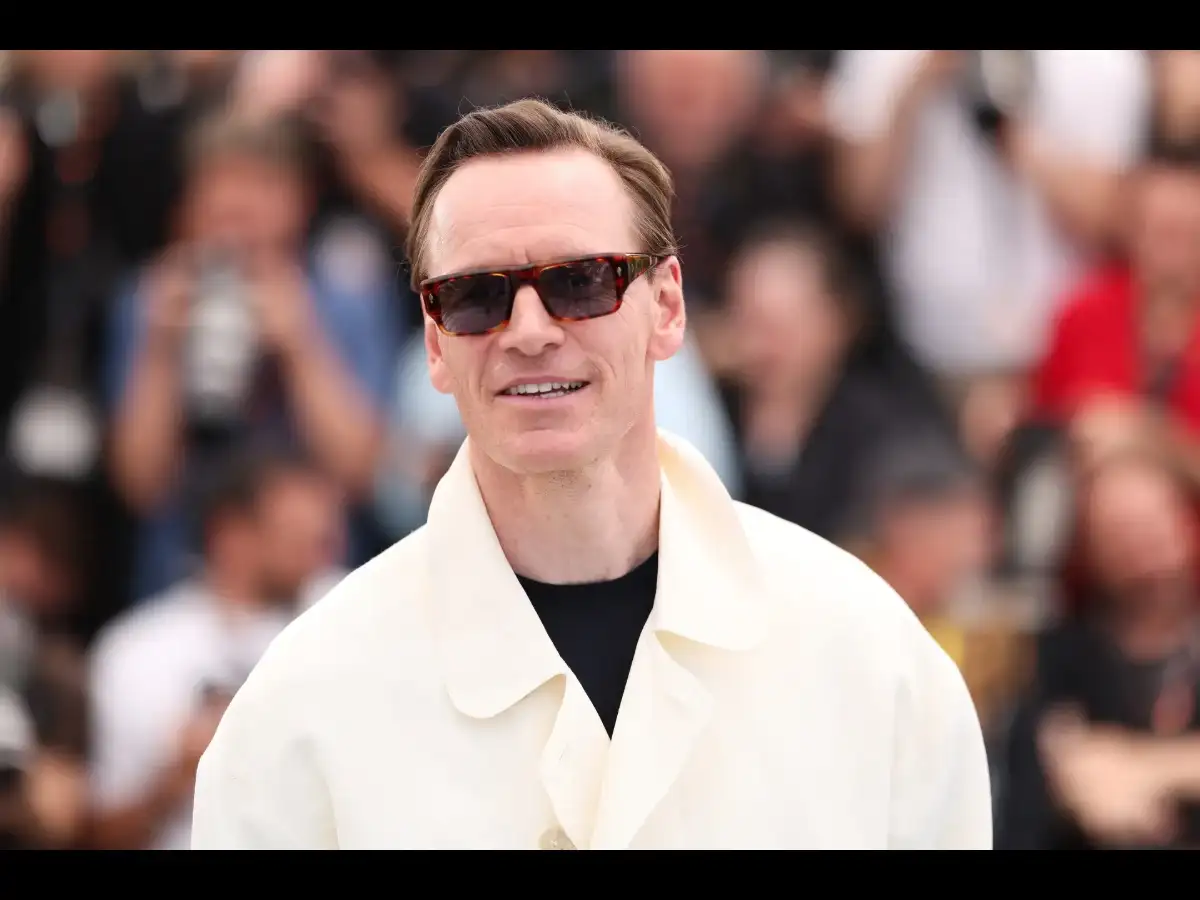
Quote of the day by Michael Fassbender offers a simple idea about growth. The actor has spoken about the value of trying different things instead of remaining in a familiar pattern. His statement, “I don’t want to stay in my comfort zone. I want to take risks and keep myself scared,” connects fear with change and creative work. The quote does not suggest that people should create fear without reason. Instead, it can be understood as a call to accept uncertainty when a person is learning, changing direction or trying something new. Fassbender’s career also provides context for this approach, as his work has included independent films, historical dramas, science fiction, comic-book films and television projects.

Quote of the day by Michael Fassbender
The quote is,
“I don’t want to stay in my comfort zone. I want to take risks and keep myself scared.”
The quote is commonly published as part of a longer statement in which Fassbender says he finds it interesting to mix things up, push himself and try different things. Quote-reference sources attribute the statement to him. The central idea is about avoiding a fixed routine. Fassbender connects trying different things with risk. He also uses the word “scared” to describe the feeling that can come with uncertainty.
For many people, a comfort zone means doing things that are familiar. A person knows what to expect and understands how to respond. This can make daily life easier. However, remaining in the same pattern for too long can also reduce opportunities to learn. The important point is that taking a risk does not mean acting without thought. A calculated risk can involve learning a new skill, accepting a different responsibility, changing a work routine or trying a creative idea.
Quote Meaning and Relevance
The quote can be understood through the idea of personal transformation. People often develop routines because routines provide predictability. A familiar job, activity or method can feel easier because the person already knows how to perform it. The problem begins when familiarity becomes a reason to reject every new experience.
Fassbender’s statement presents fear in a different way. Instead of treating every feeling of fear as a warning to stop, it suggests that some fear can appear when a person is entering unfamiliar territory. This does not mean that fear is always useful. Fear can also signal danger, exhaustion or a situation that requires caution. The goal is not to remove fear or deliberately create harmful situations.
The useful lesson is to understand why the fear exists. Psychology and career advice often distinguish between manageable challenges and situations that create overwhelming stress. A stretch zone can provide an opportunity to learn, while pushing beyond reasonable limits can create problems.
Fear Can Become a Compass
One life lesson from the quote is that fear can sometimes indicate that a person is doing something unfamiliar.
For example, someone may feel nervous before:
- Starting a new job
- Speaking in front of a group
- Learning a new skill
- Applying for a different role
- Starting a creative project
- Having a difficult conversation
- Moving to a new field
- Accepting responsibility for a new task
These situations can create uncertainty. A person may not know whether the result will be positive. That uncertainty can make people return to what they already know. The lesson is to examine the fear instead of immediately avoiding the situation. If the activity is safe and the possible consequences are manageable, taking a measured step can provide an opportunity to learn.
Stagnation Can Disguise Itself as Comfort
Comfort is not automatically a problem. Rest, stability and familiar routines are part of normal life. The problem comes when comfort becomes the main reason for avoiding change.
A person may continue using the same method because it works well enough. Another person may avoid applying for a position because rejection is possible. Someone else may stop learning because the existing skill already provides enough confidence.
Over time, these decisions can reduce exposure to new experiences. Fassbender’s quote challenges that pattern. It asks people to consider whether their current comfort comes from genuine satisfaction or from fear of uncertainty.
Calculated Risks Can Build Skills
Taking risks can also involve learning from mistakes. A person who accepts a new responsibility may discover that the task is harder than expected. The experience can still provide information about what works and what needs to change. This is where calculated risks differ from reckless decisions.
A calculated risk involves considering:
- What could go wrong
- What can be learned
- What resources are available
- What the possible consequences are
- Whether the risk is necessary
- What the next step should be
The aim is not to make every decision difficult. The aim is to avoid rejecting opportunities only because they are unfamiliar.
Routine Can Affect Creativity
Creativity often requires new information and new experiences. If a person repeats the same activity in the same way, there may be fewer opportunities to discover another approach. Trying something different can introduce new ideas.
Fassbender’s career provides an example of moving between different types of work. His filmography includes Hunger, Shame, Inglourious Basterds, 12 Years a Slave, Steve Jobs, X-Men, Prometheus, Macbeth, Assassin’s Creed and Alien: Covenant. He has also worked in television and returned to television with The Agency.
His work has therefore included different genres and types of characters. That does not prove that the quote directly caused those choices, but his career provides context for the idea of trying different things.
Life Lessons From the Quote
Embrace Growth
Growth often requires a person to learn something that is not yet familiar. A new task may feel difficult at first. Repetition and practice can make that task easier. The first step is often the hardest because the result is unknown.
Overcome Fear
Fear does not always mean that a person should stop. A person can ask whether the fear comes from actual danger or from uncertainty. If there is no serious danger, a small step may be enough to begin.
Avoid Stagnation
Doing the same easy task every day can provide stability, but it may also limit learning. Trying a different method or accepting a new responsibility can create an opportunity to develop another skill.
Build Resilience
Risks do not always produce the expected result. A project can fail. An application can be rejected. A new skill can take longer to learn. These experiences can teach a person how to respond to setbacks. Resilience develops through dealing with problems rather than assuming that every attempt will succeed.
Protect Originality
Originality can come from questioning familiar methods. A person who allows themselves to experiment may find an approach that was not considered before. This can matter in writing, business, art, technology and other areas.
Why Discomfort Matters?
The quote also raises a question about the role of discomfort.
- Sparks growth: A new challenge can force a person to learn.
- Builds courage: Completing a difficult task can make the next task easier to approach.
- Prevents routine from controlling decisions: A person becomes more willing to consider different choices.
- Supports creativity: New experiences can provide information that familiar routines do not.
However, discomfort should not be confused with harm. Research and expert commentary on comfort zones also warns against treating stress as something that should always be increased. Healthy challenges should remain different from situations that cause overwhelming distress.