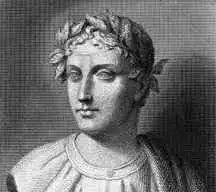
Quote of the Day by Horace: Time plays a powerful role in shaping truth, perception, and human understanding. It gradually reveals what is hidden beneath appearances and circumstances, while also changing how success, fame, and beauty are perceived. What seems important or glorious today may not hold the same value in the future, as time continues to shift perspectives and expose deeper realities.
His powerful quote, “Time will bring to light whatever is hidden; it will cover up and conceal what is now shining in splendor,” highlights the dual nature of time as both a revealer of truth and a quiet force that diminishes present glory. It suggests that hidden actions, intentions, and realities will eventually come forward, while current achievements and admiration may fade or lose their brilliance with time. In today’s fast-moving world of social media, reputation, and constant visibility, this quote remains highly relevant. It reminds us that nothing stays permanent neither secrets nor success.
Quote of the Day Today: Horace on truth, change, impermanence and hidden realities
Quote of the Day by Horace: “Time will bring to light whatever is hidden; it will cover up and conceal what is now shining in splendor”
Meaning of Horace’s Quote About Time and Truth
Horace’s quote, “Time will bring to light whatever is hidden; it will cover up and conceal what is now shining in splendor,” explores the powerful and inevitable role of time in shaping truth, perception, and human understanding. The phrase “bring to light whatever is hidden” suggests that secrets, intentions, and realities that are not immediately visible will eventually be revealed as time passes. Nothing can remain concealed forever, and truth naturally emerges through experience, consequences, and changing circumstances.
At the same time, the idea that time “will cover up and conceal what is now shining in splendor” highlights the temporary nature of fame, success, beauty, and recognition. What appears bright and important in the present moment may gradually fade as new events, people, and ideas take attention. Horace emphasizes that human glory is not permanent, and time has the power to reshape what society values and remembers. Overall, the deeper meaning of the quote lies in its balance between revelation and impermanence. It reminds us that truth eventually surfaces, while present success is never guaranteed to last.
Why what goes around comes around
It conveys the idea of cause and effect in human behavior. It suggests that the actions a person takes whether good or bad will eventually return to them in some form over time. Kindness, honesty, and positive actions often lead to similar treatment from others, while harmful or unfair behavior may also come back as consequences. The phrase reflects the belief in moral balance in life, where nothing remains without impact or outcome. It encourages people to act with integrity, awareness, and responsibility, knowing that their behavior shapes their future experiences. In everyday life, this saying is used to remind individuals that actions have long-term effects and that treating others well often leads to positive returns, while negative actions can eventually lead to regret or consequences.
Early Life of Horace
Horace, born Quintus Horatius Flaccus on December 8, 65 BCE, in Venusia (modern southern Italy), grew up in a modest household. His father was a freedman who worked as a coactor (auction assistant) and made significant sacrifices to provide Horace with a strong education. This support allowed Horace to study in Rome and later in Athens, where he was exposed to Greek philosophy and literature that deeply influenced his poetic style.
Education and Intellectual Development
Horace received a classical education in Rome, studying grammar, rhetoric, and philosophy. His time in Athens further refined his understanding of Greek thought, especially the works of philosophers like Epicurus. During this period, he developed his appreciation for balance, moderation, and clarity—values that later became central themes in his poetry. His intellectual foundation helped him craft verses that combined philosophical insight with artistic elegance.
Rise as a Poet and Literary Influence
Horace’s literary career began after he joined the army of Brutus during the Roman civil wars, though he later shifted his path toward poetry. His talent was soon recognized, and he became associated with influential figures such as Maecenas, a key political advisor to Emperor Augustus and a major patron of the arts. Through this connection, Horace gained support and stability, allowing him to focus fully on writing.
His most famous works include Odes , Satires , and Epistles . These writings explore themes such as morality, friendship, simplicity, and the fleeting nature of life. Horace became known for his “carpe diem” philosophy—encouraging people to “seize the day” and appreciate life’s present moments.
Legacy and Lasting Influence
Horace died in 8 BCE, but his influence has endured for over two millennia. He is regarded as one of the greatest lyric poets of ancient Rome. His reflections on time, truth, and human behavior continue to resonate in modern literature and philosophy. Phrases like “carpe diem” remain widely used today, reflecting his timeless impact on how people understand life, impermanence, and wisdom.
Life Lessons from Horace’s Famous Quote
The powerful quote, “Time will bring to light whatever is hidden; it will cover up and conceal what is now shining in splendor,” teaches an important life lesson about truth, patience, and the changing nature of human life. The quote suggests that time is a powerful force that eventually reveals what is hidden, whether it is truth, intentions, or reality. No matter how deeply something is concealed, it will eventually come to light through experience, consequences, or changing circumstances.
At the same time, Horace reminds us that present success, fame, beauty, or glory is not permanent. What appears bright and important today may gradually lose its shine as time passes. This teaches that life is constantly changing, and nothing—whether good or bad—remains fixed forever. The quote encourages humility and balance by showing that both hidden truths and visible achievements are subject to time’s influence.
Why This Quote Still Matters Today
Horace’s message remains highly relevant in today’s world, where information, reputation, and perception can change quickly. In the age of social media and constant visibility, people often experience both sudden fame and sudden criticism. This quote reminds us that time eventually exposes truth and reduces the impact of temporary impressions. What seems hidden today may be revealed tomorrow, and what seems important now may lose significance later.
It also teaches emotional stability and patience. In a fast-moving world, people often react to present situations without considering long-term outcomes. Horace’s wisdom encourages us to trust time, act with honesty, and understand that both success and failure are temporary phases in life.
Relationship with Time and Human Life
Horace’s quote reflects a deeper understanding of how time shapes human life and perception. Time has the ability to uncover truth, correct misunderstandings, and change how people are remembered. It also shows that nothing in life is permanent—whether it is reputation, power, or admiration. This wisdom continues to be relevant because it helps people accept change and uncertainty with maturity. Instead of fearing time, it encourages us to respect its role in revealing truth and balancing life. Ultimately, the quote reminds us that living honestly and patiently is the best way to face a world where everything is constantly changing.