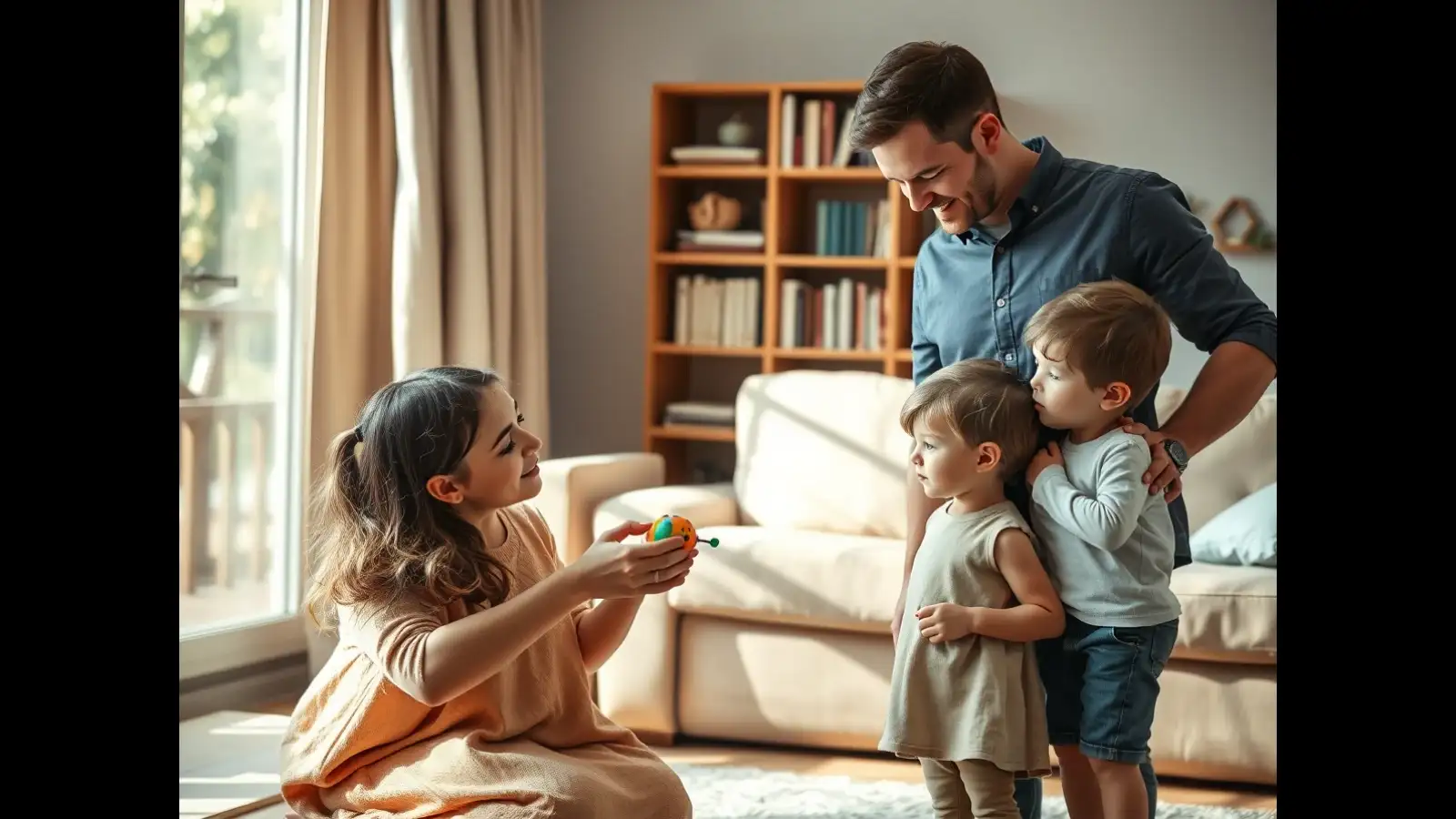
H. Jackson Brown Jr.’s inspiring quote, “Live so that when your children think of fairness, caring, and integrity, they think of you,” offers a profound reflection on the kind of legacy parents can leave behind. It is easy to believe that children remember the big moments—the vacations, birthday celebrations, expensive gifts, or special occasions—but the deepest lessons often come from ordinary days. Children watch how adults speak to others, respond to difficulties, treat people with less power, and make decisions when nobody appears to be watching. Through these observations, they gradually develop their own understanding of **fairness, compassion, honesty, and integrity**. Brown’s words encourage parents to recognize that character is rarely taught through lectures alone. It is demonstrated through daily behavior. The most meaningful way to teach children what it means to be a good person is to consistently model those values in everyday life.
Fairness begins with the way people treat one another, and children are remarkably attentive to examples of fairness and unfairness. They notice whether parents keep promises, listen to different perspectives, admit when they are wrong, and apply the same standards to themselves that they expect from others. Being fair does not mean making everyone happy or giving everyone exactly the same thing. It means making thoughtful decisions while respecting the dignity and circumstances of others. Parents can demonstrate this principle in simple situations, such as resolving disagreements between siblings, sharing responsibilities at home, or treating service workers with courtesy. When children repeatedly witness fairness in action, they begin to understand that respect should not depend on someone’s age, position, wealth, or usefulness. These everyday examples can become powerful foundations for responsible adulthood.
Quote of the Day on Caring
The word “caring” in Brown’s quote is equally important because compassion is often expressed through small actions rather than grand gestures. Children learn from watching adults notice when someone is struggling and respond with patience instead of indifference. A caring parent might check on a neighbor, help someone who needs assistance, listen carefully to a friend, or show kindness to an animal. Such moments teach children that empathy involves more than feeling sympathy; it means recognizing another person’s needs and choosing to respond. In a world that can sometimes reward speed, competition, and self-interest, teaching children to care about others becomes especially valuable. Compassion can influence how they treat classmates, colleagues, friends, partners, and eventually their own families.
Perhaps the most powerful element of the quote is integrity—the ability to remain honest and principled even when doing so is inconvenient. Children notice contradictions. If an adult tells them to tell the truth but regularly lies to avoid responsibility, the lesson becomes confusing. Conversely, when parents acknowledge mistakes, apologize sincerely, return something that does not belong to them, or keep their word despite inconvenience, children see integrity in its most authentic form. Nobody behaves perfectly all the time, and pretending otherwise is unnecessary. In fact, admitting mistakes can provide one of the strongest lessons a parent can offer. It demonstrates that integrity does not mean never failing; it means having the courage to recognize failure and make an effort to correct it.
Brown’s message also reminds parents that children often remember how they felt more than what they were told. A child may forget a particular conversation about kindness, but they may remember whether their parent listened when they were frightened or disappointed. They may not remember every rule they were given, but they can remember whether disagreements were handled with respect. This emotional memory can influence how children understand relationships later in life. The example parents provide becomes a reference point for what feels normal, acceptable, and admirable. That is why consistency matters. A single lesson rarely shapes character, but hundreds of repeated experiences can quietly establish a child’s moral compass.
Quote of the Day Highlights
Creating this kind of legacy does not require parents to be perfect. Real-life parenting is filled with stress, mistakes, misunderstandings, and difficult decisions. The goal is not to create an image of flawless virtue but to demonstrate the willingness to keep choosing good values. Parents can show their children that strength includes apologizing, kindness includes setting boundaries, and fairness sometimes requires difficult choices. They can explain why they make certain decisions rather than simply demanding obedience. Most importantly, they can allow their actions to reinforce their words. When children see that fairness, caring, and integrity remain important even during stressful moments, those values become more credible and meaningful.
H. Jackson Brown Jr.’s quote presents parenthood as an opportunity to create a living legacy of character. The most valuable inheritance parents give their children may not be money, possessions, or achievements, but a clear example of how to live with honesty, compassion, courage, and respect. Children eventually grow up and make their own choices, but the examples they witnessed at home can remain with them for years. To live so that children associate their parents with fairness, caring, and integrity is to leave behind something that cannot easily be measured. It is a reminder that every conversation, decision, apology, act of kindness, and moment of honesty can become part of the person a child remembers—and perhaps the person that child eventually chooses to become.