
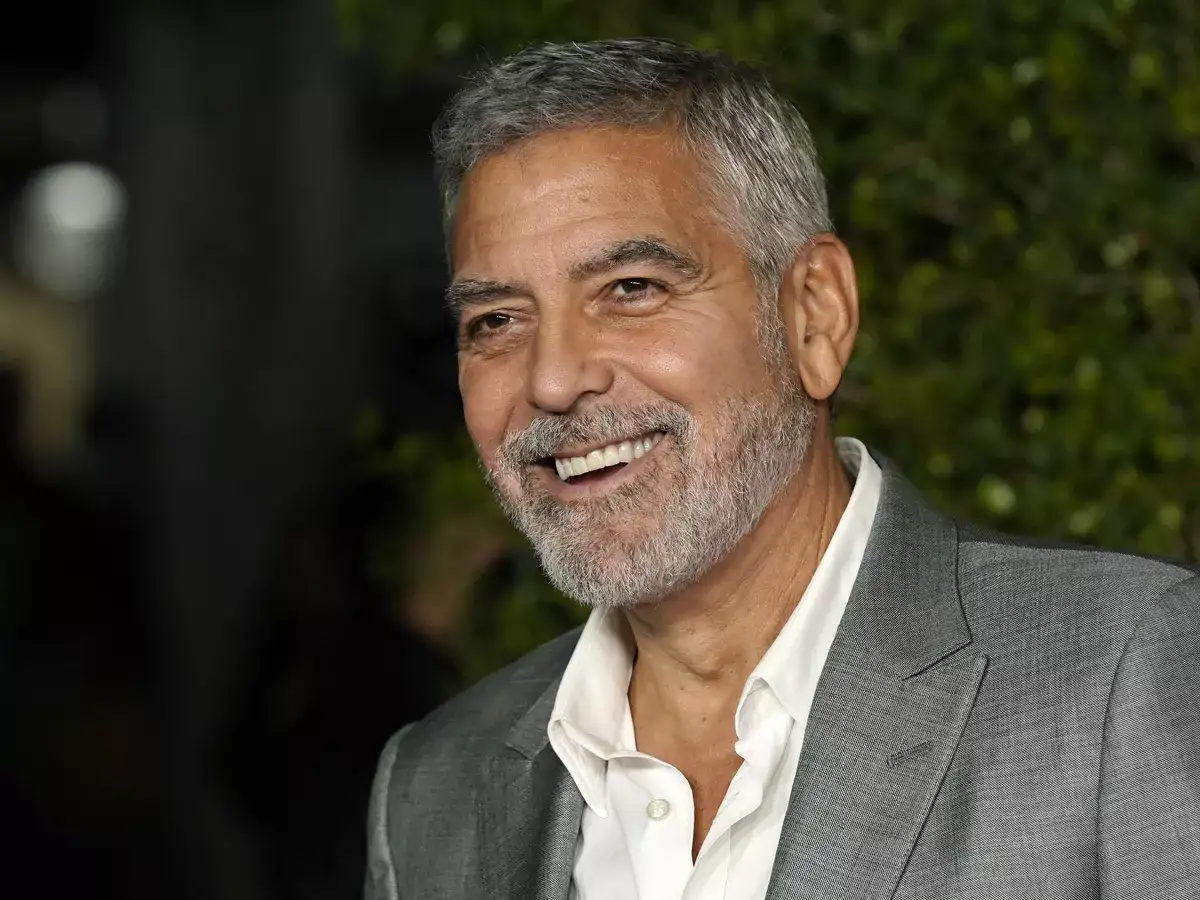
Hollywood star George Clooney has spent decades in the spotlight, winning some of the entertainment industry's highest honours and building a career that spans blockbuster films, independent cinema and directing. Yet one of his most memorable reflections has little to do with fame or success.
Instead, it is a candid reminder about the realities of life, ageing and making the most of the time we have.

George Clooney Quote of the Day
As quoted in the BrainyQuote collection, George Clooney once said, "I don't believe in happy endings, but I do believe in happy travels, because ultimately, you die at a very young age, or you live long enough to watch your friends die. It's a mean thing, life."
The quote is not meant to be pessimistic. Rather, it encourages people to focus less on chasing a perfect ending and more on appreciating the experiences, relationships and moments that make life meaningful.
What does George Clooney's quote mean?
Clooney's words highlight an uncomfortable truth: life rarely offers flawless endings. Everyone eventually faces loss, disappointment and the passage of time.
His message suggests that happiness should not depend on reaching a final destination or achieving one ultimate goal. Instead, fulfilment comes from enjoying the journey, learning from experiences and valuing the people we meet along the way.
In many ways, the quote is a reminder to live in the present rather than waiting for a perfect future that may never arrive.
Life lessons from George Clooney's quote
1. Enjoy the journey, not just the destinationSuccess is important, but the experiences gained while pursuing it often matter even more than the outcome.
2. Accept that life isn't perfect
Challenges, setbacks and loss are inevitable. Accepting this reality can help build resilience and gratitude.
3. Treasure your relationships
Friends and family are among life's greatest gifts. Investing time in the people you care about creates memories that outlast achievements.
4. Live in the present
Waiting for the "perfect moment" can mean missing the joy that's already around you. Appreciate today's small victories.
5. Measure success by experiences
A meaningful life isn't defined only by awards, wealth or status. The memories you create and the people you impact often matter far more.
Who is George Clooney?
George Timothy Clooney is an American actor, filmmaker and producer, born on 6 May 1961. Widely recognised as one of Hollywood's leading actors, he has built a successful career across blockbuster hits and critically acclaimed independent films.
Clooney first gained widespread recognition for playing Dr Doug Ross in the television drama ER before becoming a global film star with movies including Ocean's Eleven, Syriana, Michael Clayton, Up in the Air, The Descendants and Gravity.
He has won two Academy Awards, along with multiple Golden Globe and BAFTA honours. As a filmmaker, he has directed acclaimed films such as Good Night, and Good Luck, The Ides of March and The Tender Bar. He also won the Academy Award for Best Picture as a producer of Argo.
Beyond cinema, Clooney is known for his humanitarian work and has served as a United Nations Messenger of Peace. He has been married to human rights lawyer Amal Clooney since 2014, and the couple have two children.
Why George Clooney's words still resonate
George Clooney's quote stands out because it rejects the idea that life must end perfectly to be worthwhile. Instead, it encourages people to embrace the experiences, friendships and lessons that shape them over time.
In a world often focused on results and achievements, his message is a timely reminder that the quality of the journey may matter far more than the ending itself.
Disclaimer: The interpretation presented in this article is intended for general informational and inspirational purposes only. Quotes can carry different meanings for different people, depending on their personal experiences, beliefs and perspectives. The explanation offered here reflects one possible interpretation and should not be considered the definitive or intended meaning of the author's words.







