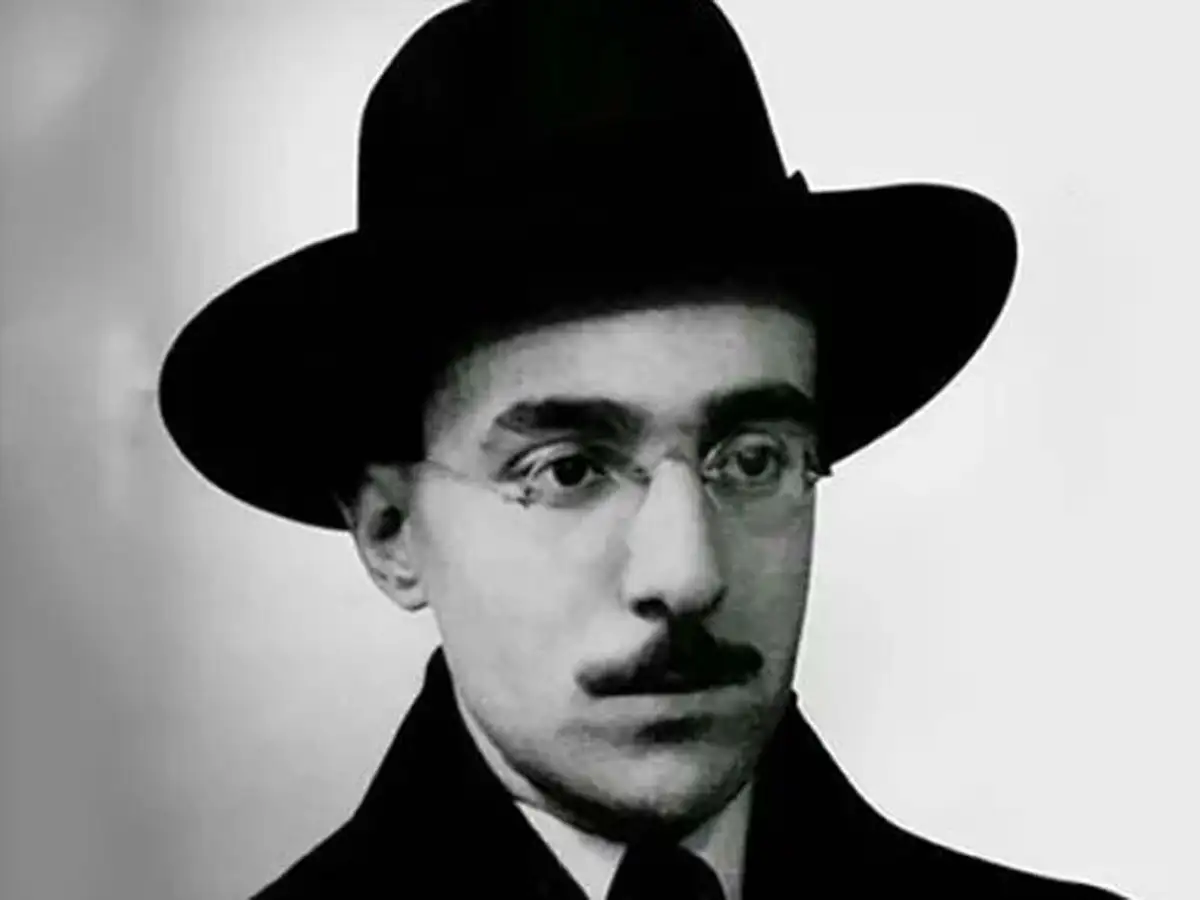
Fernando Pessoa remains one of the most fascinating literary figures of the 20th century. Born in Lisbon in 1888, the Portuguese poet and writer created an extraordinary body of work that explored identity, loneliness, imagination and the complicated nature of being human. What made Pessoa especially unusual was his use of multiple literary personalities, known as heteronyms. These were not simply pen names. Pessoa gave them distinct biographies, writing styles, philosophies and personalities. Through them, he could express completely different ways of seeing the world. Although much of his writing received limited attention during his lifetime, Pessoa became an influential figure in modern literature after his death in 1935. Today, his work continues to attract readers searching for deeper reflections on identity, existence and the contradictions within themselves.
Pessoa was born on June 13, 1888, in Lisbon. After spending part of his childhood in South Africa, he returned to Portugal and developed a strong interest in literature and languages. His most famous literary innovation was the creation of heteronyms. Among the best known were Alberto Caeiro, Ricardo Reis and Álvaro de Campos. Each represented a different literary personality. Caeiro was closely connected to nature and direct experience, while Reis favored classical restraint and philosophical reflection. Campos was more emotional, restless and modern.