Get all your news in one place.
100's of premium titles.
One app.
Start reading
The Economic Times
The Economic Times
Muskan Singh

Quote of the Day by Ernest Hemingway: 'The world breaks everyone and afterwards many are strong at the broken places'- Valuable life lessons on finding meaning after life's hardest battles by The Old Man and the Sea novelist

Quote of the Day by Ernest Hemingway: Life rarely unfolds exactly as we hope. Every person, at some point, experiences disappointment, heartbreak, loss, failure, grief, or hardship. Yet some people emerge from those experiences stronger, wiser, and more compassionate than before. Few quotes capture this truth more powerfully than Ernest Hemingway's timeless observation, “ The world breaks everyone and afterward many are strong at the broken places.”
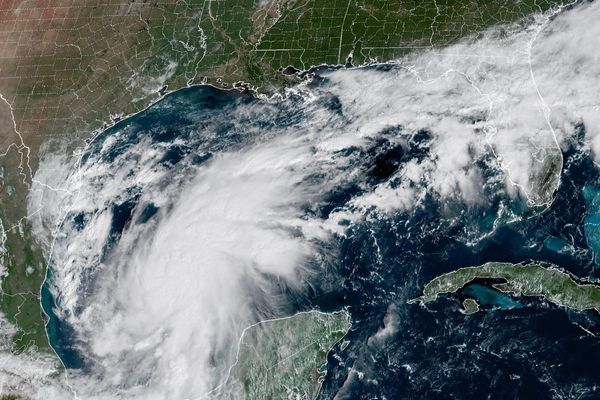
The quote remains one of the most profound reflections on human resilience ever written. Rather than promising a life free from suffering, Hemingway reminds us that hardship is universal. What matters is what we become after the breaking.

READ ALSO: Nancy Guthrie case mystery deepens as investigators focus on anonymous tipster linked to ransom messages-here's what you need to know

What does Ernest Hemingway's quote really mean?

At first glance, the quote sounds pessimistic. Hemingway openly acknowledges that the world breaks everyone. No one is immune from pain. Wealth, talent, status, or intelligence cannot shield people from loss, betrayal, illness, failure, or heartbreak.

Yet the second half of the quote transforms its meaning entirely. Hemingway is not focused on the breaking itself. He is focused on what happens afterward.

The broken places become sites of growth. The person who has experienced grief may develop deeper compassion. Someone who has endured failure often gains wisdom that success could never teach. A person who survives adversity frequently discovers inner strength they never knew existed. The quote suggests that resilience is not the absence of suffering. It is the ability to rebuild after suffering.

READ ALSO: Psychology says people who stop posting their personal lives on social media aren't antisocial; they may be becoming more secure

Why is this quote so relevant today?

Modern culture often celebrates perfection, success, and achievement. Social media presents carefully curated versions of people's lives, making it easy to believe that everyone else has things figured out.

In reality, behind every success story are setbacks that rarely make headlines.

People face career disappointments, family struggles, financial pressures, relationship breakdowns, anxiety, and countless personal challenges. Hemingway's words cut through the illusion of perfection and remind us that struggle is part of being human.

More importantly, the quote offers hope. It suggests that painful experiences are not merely obstacles. They can become sources of wisdom and strength.

In a world where many people feel pressured to appear strong at all times, Hemingway gives permission to acknowledge pain while also believing in recovery.

READ ALSO: Psychology says people who decline invitations more often as they get older may not be becoming unfriendly, they may be becoming more selective

The deeper philosophy behind Hemingway's words

The quote reflects what literary critics often call the "Hemingway Code." Throughout his novels and stories, Hemingway admired individuals who faced hardship with courage, dignity, endurance, and what he famously described as "grace under pressure."

His characters often encounter impossible circumstances. They suffer loss, face danger, and confront failure. Yet their greatness lies not in avoiding suffering but in how they respond to it.

This philosophy was deeply connected to Hemingway's own life. He served as an ambulance driver during World War I, survived severe injuries, witnessed war firsthand, worked as a journalist in conflict zones, survived plane crashes, and experienced profound personal losses throughout his life.

These experiences shaped his understanding that suffering is unavoidable, but surrender is optional. The quote reflects a central belief that true character emerges when life becomes difficult.

READ ALSO: Micron stock surges after Micron earnings report crushes estimates: How is AI demand driving Micron to new heights?

More about Ernest Hemingway

Ernest Hemingway was born on July 21, 1899, in Oak Park, Illinois. After graduating from high school, he began working as a reporter before serving as an ambulance driver for the American Red Cross during World War I, as per Britannica.

His wartime experiences profoundly influenced his writing and later inspired classics such as A Farewell to Arms. Hemingway went on to become one of the most influential authors of the twentieth century, producing landmark works including The Sun Also Rises, For Whom the Bell Tolls, and The Old Man and the Sea.

His distinctive writing style, known for its clarity, brevity, and emotional depth, transformed modern literature and influenced generations of writers around the world.

In 1954, Hemingway received the Nobel Prize in Literature. Despite immense literary success, his life was marked by physical injuries, emotional struggles, and personal tragedy. Those experiences gave authenticity to his reflections on courage, endurance, and resilience.

Today, more than six decades after his death in 1961, Hemingway's words continue to resonate because they speak directly to one of life's universal truths: suffering may break us, but it can also remake us. His quote serves as a reminder that our scars are not always signs of weakness. Sometimes they are evidence of survival. The places where life wounded us can become the very places where we discover our greatest strength.

Sign up to read this article
Read news from 100's of titles, curated specifically for you.
Already a member? Sign in here
Related Stories
Top stories on inkl right now
One subscription that gives you access to news from hundreds of sites
Already a member? Sign in here
Our Picks
Fourteen days free
Download the app
One app. One membership.
100+ trusted global sources.