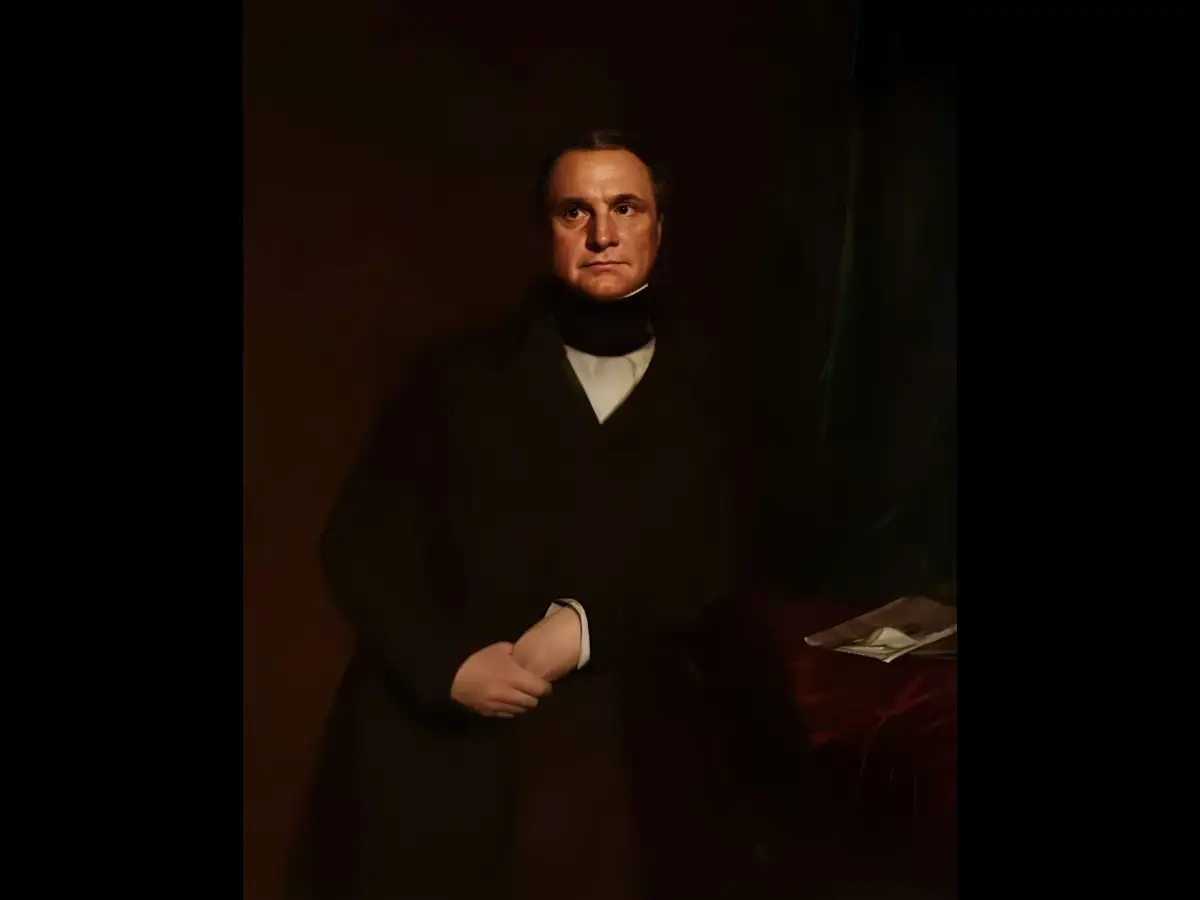
Every new idea has to survive two tests: whether it can actually work, and whether other people are willing to believe that it can. For inventors, the second test can sometimes be harder. More than a century before computers became part of everyday life, English mathematician and inventor Charles Babbage was proposing machines made of thousands of mechanical components that could perform calculations automatically. His ideas were so ambitious that even people who understood their potential could question whether they were practical.
Babbage captured that frustration with a wonderfully sarcastic comparison involving a potato-peeling machine and a pineapple.