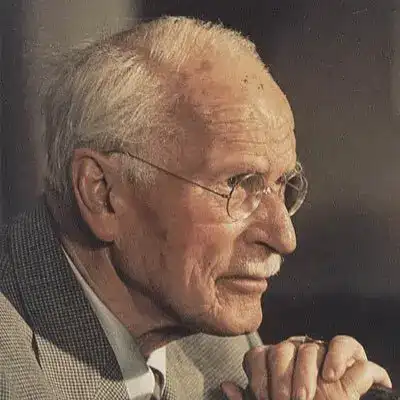
Quote of the day by Carl Jung: Addiction is often misunderstood as something limited to alcohol, cigarettes, or drugs. In reality, addiction is much deeper and more human than that. It begins when a person becomes emotionally or mentally dependent on something to escape pain, stress, loneliness, fear, or emptiness. Sometimes it is a substance, but many times it can be a habit, a relationship, social media, work, power, or even an idea. Addiction slowly takes control of a person’s thoughts and decisions until it becomes difficult to function without it. What makes addiction dangerous is that it usually feels comforting at first. It gives temporary relief, pleasure, or certainty, but over time it can damage health, relationships, peace of mind, and personal freedom. Every human being seeks comfort in difficult moments, which is why addiction is not simply a weakness, it is often a silent struggle that grows when balance, awareness, and emotional support are missing from life.

Quote of the Day Today: Carl Jung on Addiction
Quote of the day by Carl Jung, "
Every form of addiction is bad, no matter whether the narcotic be alcohol or morphine or idealism" as per BrainyQuote.
How Emotional and Mental Addiction Affect Human Life
This quote by Carl Jung highlights the hidden nature of addiction and how it can exist beyond drugs or alcohol. Jung explains that addiction is not only about harmful substances; it can also develop through unhealthy attachment to ideas, beliefs, emotions, or lifestyles. While society often recognizes physical addictions easily, mental and emotional addictions are harder to notice because they may appear normal or even admirable at first.
Why Carl Jung Warned Against Extreme Idealism
The word “idealism” in the quote is especially important. Jung warns that becoming blindly obsessed with any ideology, opinion, or belief can be just as dangerous as substance abuse. When people become emotionally dependent on one way of thinking, they may lose balance, empathy, and the ability to think independently. This can damage relationships, create conflict, and isolate individuals from reality.
Quote of the Day May 18: Lesson on Self-Awareness, Balance, and Freedom
The deeper message of the quote is about self-awareness and moderation. Anything that controls a person’s mind, emotions, or decisions excessively can become harmful. Jung reminds us that true freedom comes from balance, conscious thinking, and the ability to live without becoming completely dependent on anything.
Who Was Carl Jung
Carl Jung was not just a psychologist; he was a man deeply shaped by loneliness, imagination, and questions about the human mind. Born in Switzerland in 1875 to a pastor father, Jung spent much of his childhood observing people closely, especially his parents. His father’s struggle with faith left a strong impression on him and pushed Jung to search for meaning beyond traditional beliefs, as per a Britannica report.
Carl Jung’s Psychological Theories and Lasting Influence
Although he came from a family of clergymen, Jung chose medicine and later psychiatry, studying in Basel and Zürich. At the Burghölzli Asylum, he gained recognition for studying how hidden emotions affect human behaviour. He introduced the term “complex” to describe emotionally charged thoughts buried in the unconscious mind, as per the Britannica report.
Carl Jung and Sigmund Freud: Understanding Their Differences
Jung later worked closely with Sigmund Freud, but their relationship ended because of major differences in ideas. While Freud focused strongly on sexuality, Jung explored deeper spiritual and symbolic aspects of the mind.
Carl Jung’s Theory of Introverts, Extroverts, and Archetypes
His theories on introverts and extroverts, archetypes, and the collective unconscious changed psychology forever. Jung believed dreams, imagination, religion, and ancient symbols could help people understand themselves better, as per the Britannica report. Throughout his life, he continued studying the connection between psychology, spirituality, and human purpose, leaving behind ideas that still influence psychology, literature, and religion today.
Inspirational Quotes by Carl Jung for Self-Reflection
Here are a few more quotes by Carl Jung.
- "Everything that irritates us about others can lead us to an understanding of ourselves," as per BrainyQuote.
- "Even a happy life cannot be without a measure of darkness, and the word happy would lose its meaning if it were not balanced by sadness. It is far better take things as they come along with patience and equanimity," as per BrainyQuote.
- "One looks back with appreciation to the brilliant teachers, but with gratitude to those who touched our human feelings. The curriculum is so much necessary raw material, but warmth is the vital element for the growing plant and for the soul of the child," as per BrainyQuote.
- "Knowing your own darkness is the best method for dealing with the darknesses of other people," as per BrainyQuote.
- "Where love rules, there is no will to power; and where power predominates, there love is lacking. The one is the shadow of the other," as per BrainyQuote.