Get all your news in one place.
100's of premium titles.
One app.
Start reading
The Economic Times
The Economic Times
Debjit Sinha

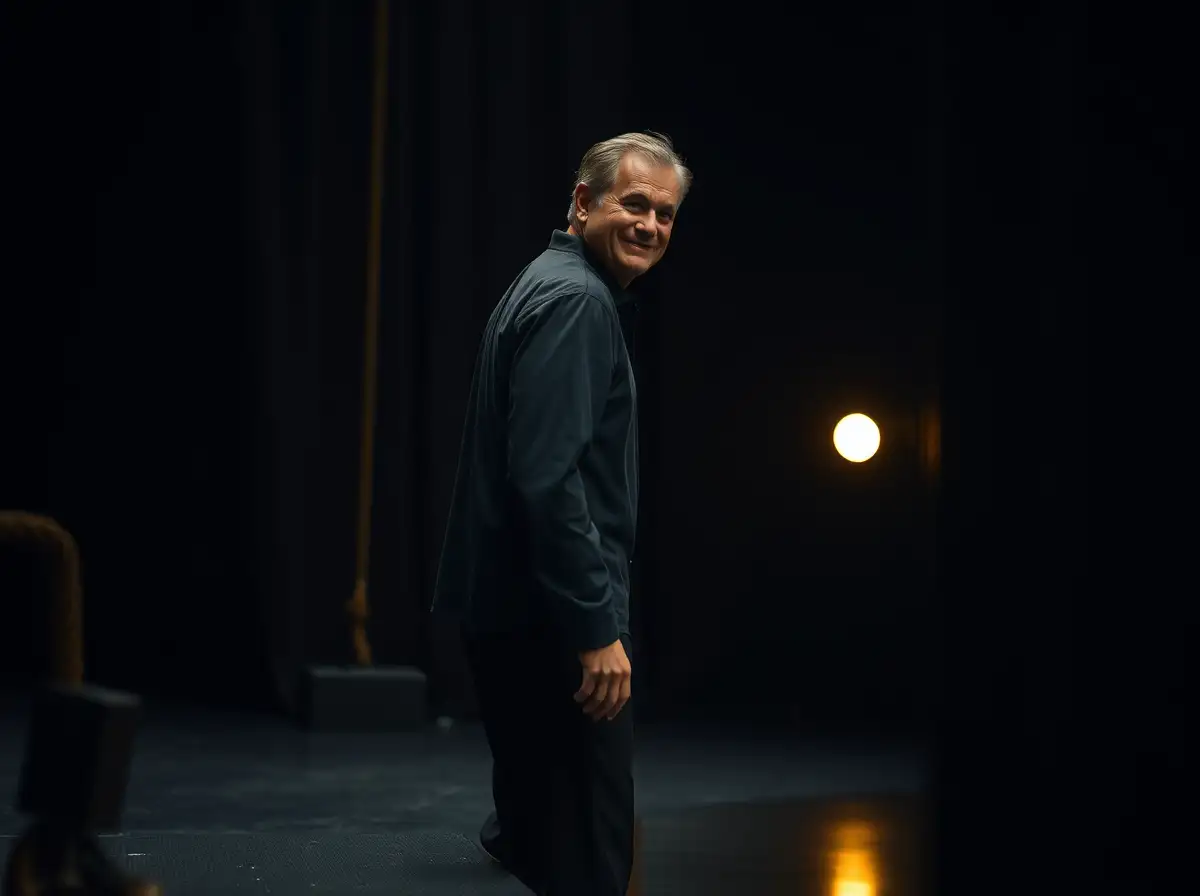
Quote of the day by Annie Potts, 'I don't watch a lot of my work. I'm not really interested in seeing it after I do it. Because I came from theater, where, you know, it's impossible to actually review your work, so why would I bother under any other circumstances?' offers reality check on career, work, success, ambition, productivity, personal growth

Quote of the day by Annie Potts, "I don't watch a lot of my work. I'm not really interested in seeing it after I do it. Because I came from theater, where, you know, it's impossible to actually review your work, so why would I bother under any other circumstances?" offers a fascinating perspective on acting, creativity and the importance of moving forward. For many performers, seeing themselves on screen can invite self-criticism, second-guessing and endless analysis. Potts’ approach suggests something different: once the work is finished, there is value in letting it go. Her words reveal an attitude shaped by theater, where a performance exists in a particular moment and then disappears, leaving the actor to focus on the next opportunity rather than endlessly revisiting the past.

The contrast between theater acting and screen acting is central to understanding Potts’ philosophy. A stage performance happens live, in front of an audience, with no opportunity to pause, rewind or redo a scene once it has happened. Actors have to trust their preparation and respond to what is happening in real time. Television and film offer the opposite experience. Performances are recorded, edited and preserved, allowing actors to watch themselves repeatedly. While reviewing footage can be useful professionally, constantly analyzing a finished performance can also become emotionally exhausting. Potts’ perspective reflects the freedom that can come from accepting that a performance is ultimately a moment that has already passed.

Today's Quote of the Day

Her quote also speaks to a broader lesson about perfectionism and self-criticism. Creative people frequently have complicated relationships with their own work. A writer may reread a published article and notice every sentence that could have been improved. A musician might listen to an old recording and focus on a missed note. An artist may look at a finished painting and immediately see its imperfections. While constructive reflection can support growth, excessive criticism can become a barrier to creativity. When people obsess over what they should have done differently, they risk becoming trapped in the past instead of developing their next idea.

READ ALSO: Quote of the Day by Idris Elba, 'I'm an ambitious person. I never consider myself in competition with anyone, and I'm not saying that from an arrogant standpoint, it's just that my journey started so, so long ago, and I'm still on it and I won't stand still' offers advice on ambition, personal growth, success, motivation, self-improvement

There is a difference between learning from experience and constantly judging oneself. Reflection can be productive when it identifies specific lessons that can be applied to future work. For example, an actor may review a performance to understand timing, delivery or character development. But once the useful lessons have been absorbed, repeatedly watching the same work may provide diminishing returns. Potts’ theater background offers an interesting model of creative discipline: prepare carefully, perform fully, learn what you can and then move on. This mindset can help performers and creators maintain confidence without pretending that every piece of work is flawless.

Quote of the Day Meaning

The idea is relevant far beyond the entertainment industry. In everyday life, people often replay old decisions and conversations in their minds. They wonder what they should have said during an argument, how they could have handled an interview differently or whether they made the right choice years ago. Some reflection is healthy, but endlessly revisiting the past can consume energy that could be used to create a better future. Letting go does not mean forgetting or refusing to learn. It means recognizing when reflection has served its purpose. Once a lesson has been identified, continuing to punish ourselves rarely changes what happened.

Potts’ approach also highlights the importance of trusting preparation. Theater requires actors to step onto a stage without the safety net of editing. Rehearsals, memorization, collaboration and experience prepare them for that moment, but ultimately they must trust themselves. That same principle applies to many areas of life. Students prepare for exams, professionals prepare for presentations and athletes train for competitions. At some point, preparation has to give way to action. Constantly questioning whether we are ready can become counterproductive. Confidence does not necessarily mean believing that everything will be perfect; it can mean trusting that we have prepared enough to respond when the moment arrives.

Words of Wisdom

There is also a valuable lesson here about creative momentum. Artists cannot spend all their time evaluating yesterday's work. They need to continue creating. Every completed project becomes part of a larger journey, offering experience that can influence what comes next. An actor finishes one role and prepares for another. A writer completes one story and begins developing a new idea. A filmmaker moves from one production to the next. Growth often happens through repetition: create, experience, learn, adjust and create again. The willingness to move forward can be more important than achieving perfection in any single project.

Annie Potts’ quote presents a compelling life lesson about creativity, performance and moving on. Her theater background taught her to experience a performance as something immediate rather than something that must be endlessly examined afterward. In an age when recorded work can be replayed indefinitely, that perspective feels surprisingly relevant. There is wisdom in knowing when to review, when to learn and when to let go. The past can teach us, but it does not have to define our attention. Sometimes the healthiest approach to finished work is to acknowledge what it gave us, accept its imperfections and turn toward the next challenge with curiosity, confidence and renewed creative energy.

Sign up to read this article
Read news from 100's of titles, curated specifically for you.
Already a member? Sign in here
Related Stories
Top stories on inkl right now
One subscription that gives you access to news from hundreds of sites
Already a member? Sign in here
Our Picks
Fourteen days free
Download the app
One app. One membership.
100+ trusted global sources.