Over the past few years, studies have suggested that plastic particles from bottles, food packaging and waste have been detected in human blood, lungs, placentas, arteries and even the brain. But a recent investigation by the Guardian suggests that some of these claims may be less robust than they first appeared.
The idea that tiny fragments of plastic might be accumulating in human bodies is unsettling. This concern stems largely from evidence that nanoplastics – the very smallest plastic fragments – can harm animal embryos and human cells grown in the laboratory. Slightly larger particles, called microplastics, are not known to be as harmful to living things when ingested. At least, we are not aware of any studies to this effect.
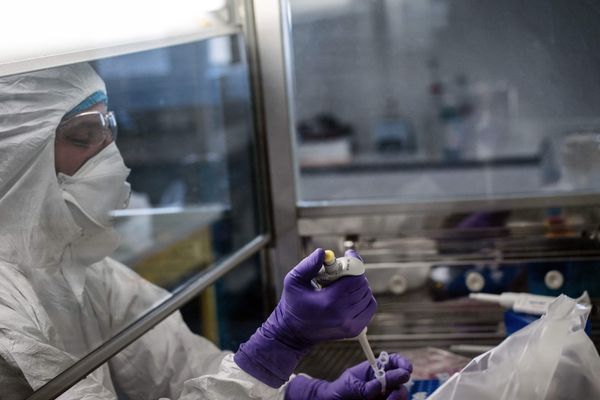
The Guardian report found that some scientists think that these reports of plastics in the human body may be false alarms. They are not suggesting any scientific misconduct. Rather, they suggest that the tissue samples were unintentionally contaminated in the laboratory or, in another example, that natural body fat in the samples produced readings that looked like plastic.