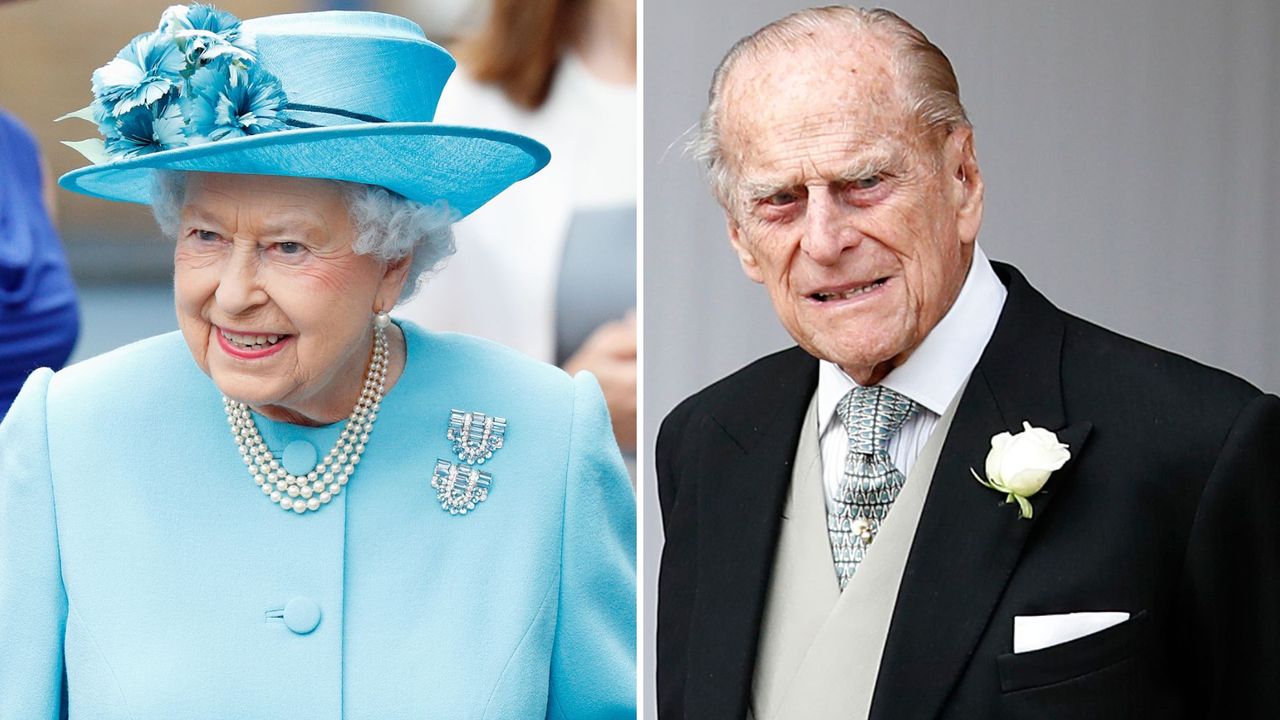
Prince Philip sacrificed a lot for his 73-year marriage to Queen Elizabeth, including his titles and citizenship of Greece and Denmark. He renounced them and became a British citizen the year they married, as well as converting from Greek Orthodoxy to Anglicanism.
He was the Queen’s most loyal supporter and close confidante, and he adapted to life as consort of one of the most famous women in the world. Even so, Philip made his feelings plain in the 1950s after his wife was persuaded to keep Windsor as the Royal Family’s name in an outburst that prompted her to make a surprising "concession".
"I am the only man in the country not allowed to give his name to his children!" Prince Philip is famously quoted as saying. "I'm nothing but a b***** amoeba!"

The late Duke of Edinburgh adopted the surname Mountbatten in 1947 when he became a naturalised British subject. It’s an Anglicised form of his mother’s family name, the Battenbergs, but the Government were reportedly keen that the Queen shouldn’t change the Royal House name from Windsor to Mountbatten.
Although surnames aren’t generally needed if you’re royal, the Royal House name can act as one - hence Prince Philip’s outburst. The Queen confirmed in 1952 that the Royal Family name of Windsor would be used.
This changed in 1960 and royal expert and woman&home correspondent said on a recent episode of her and Reverend Richard Coles’ Catching Up With The Royals podcast that this was Queen Elizabeth’s "concession" to her husband.

"Because any children of hers were going to be Windsor, but by taking his more Anglicised surname, Mountbatten-Windsor and making it double-barrelled [she included Philip]," Emily said.
As the Royal Family’s own website puts it, Queen Elizabeth and Prince Philip “decided that they would like their own direct descendants to be distinguished from the rest of the Royal Family”. The Royal House remains Windsor, but it was declared in the Privy Council that the Queen’s descendants would carry the new double-barrelled name if they weren’t Prince/Princess of a married female descendent.
Essentially this meant that the couple’s children, when they needed a surname, would use Mountbatten-Windsor. This is why the former Prince Andrew is now Mr Mountbatten-Windsor and before they became Prince Archie and Princess Lilibet, the Sussexes' children had this surname too.

For the Queen to have changed her mind like this, it clearly meant a lot to Prince Philip to have his own surname included and his quip indicates this too. Her love and respect for him led her to create the new royal surname, but it was 43 years before someone would officially have it.
In 2003, Prince Edward and Duchess Sophie’s daughter was born and although she’s known as Lady Louise Windsor now, she appears in the royal line of succession with the full surname.
Her younger brother James, Earl of Wessex was also Mountbatten-Windsor at birth. They’re understood to have been incredibly close to Philip and he was probably very touched to see his grandchildren using this royal name.