
What you need to know
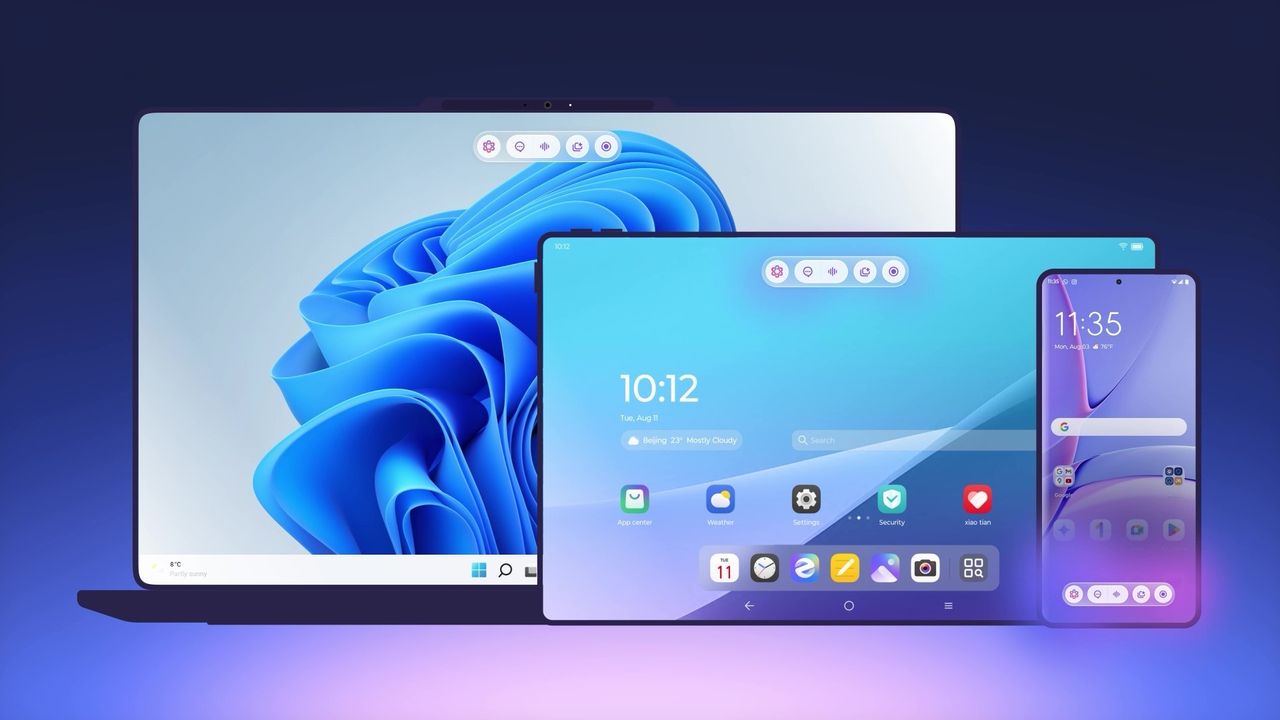
- Lenovo and Motorola are moving beyond simple chatbots with Qira, a personal ambient ntelligence that lives at the system level rather than inside a specific app.
- Unlike current assistants that live on one device, Qira creates a single, continuous experience that moves with you across PCs, tablets, smartphones, and wearables.
- Qira hits select Lenovo devices in Q1 2026, with support for Motorola smartphones rolling out afterward via over-the-air updates.

Motorola and Lenovo think app-based AI is already old news. At CES 2026, they demonstrated this by launching Qira, a system-level intelligence that works across all your devices rather than being limited to a single app. Motorola also teased something even more ambitious: a wearable AI companion that works on its own, without your phone.
Lenovo calls this idea personal ambient intelligence, and Qira is the first real example of it. Instead of being a chatbot you only use when you think of it, Qira is built right into Lenovo and Motorola devices. It learns your habits, understands context, and helps you with tasks without needing you to manage it all the time.
This shift may seem small, but it matters. Qira works across phones, PCs, tablets, and wearables as one system, so you can move smoothly from one device to another. You can say “Hey, Qira,” tap a button, or press a key to use it. If you don’t need it, it stays out of the way.


Qira is built on three main ideas: presence, actions, and perception. It can suggest your next steps, manage tasks across different apps and devices, and get a full view of your digital life using only the data you allow.
Lenovo says most of the processing happens on your device, with the cloud helping out while keeping privacy a priority.
Project Maxwell: Motorola’s bigger vision
Motorola is taking things further with Project Maxwell, an "AI Perceptive Companion" that hints at where Qira could go next. This wearable prototype is hands-free and fully aware of your surroundings.


It can see what you see, hear what you hear, and listen when you talk. The aim is to make things easier so that using your phone wouldn't interrupt what you’re doing.
Motorola gave an example of how this works in the real world: Imagine sitting at a conference keynote. You could ask Maxwell to listen to the speaker and draft a LinkedIn post summarizing the event. Because it utilizes "multimodal perception fusion," it combines the audio from the stage with visual data to build that content while your phone stays in your pocket.
You can’t buy this product yet, and Motorola makes that clear. Project Maxwell is just a proof-of-concept, a way to test ideas that might show up in future devices. Still, it helps explain what Motorola wants Qira to become.
Lenovo Qira will be available on select Lenovo devices starting in early 2026. After that, Motorola Qira will come to supported smartphones through over-the-air updates. Current Lenovo AI Now users will switch over easily, and more devices will be supported later on.