
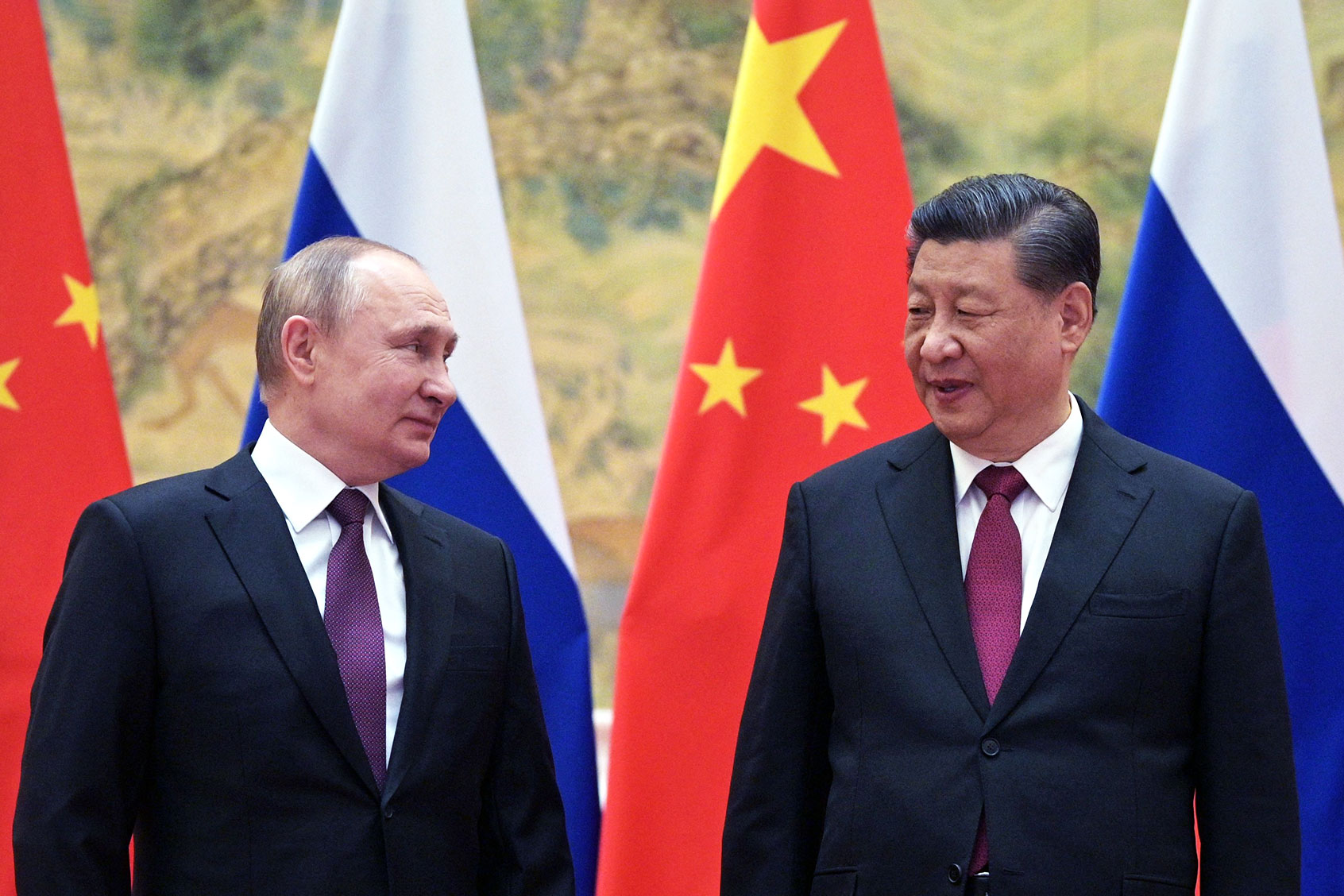
Shortly before the Ukraine invasion, Russian President Vladimir Putin issued a joint statement with Chinese President Xi Jinping, in which both posed as leaders of democratic nations. That gaslighting makes a certain kind of sense in historic terms, since the outward trappings of democracy have universally become almost mandatory since the end of the Cold War. While there's been an alarming erosion of democratic governance over the last 20 years — especially since 2011 — what's been called the "third wave of autocratization" has, until recently, largely camouflaged itself, relying on the gradual erosion of democratic norms and practices rather than violent power-grabs.
But just as Putin went to war, the V-Dem institute issued its 2022 report, "Autocratization Changing Nature?", citing a constellation of warning signs that this wave of the "autocratization" process is starting to resemble earlier ones, as autocratic leaders become increasingly emboldened. Most dramatically, the five military coups and one "self-coup" in 2021 represent a dramatic departure from the average of 1.2 coups per year since 2000. The report also cites increases in misinformation and polarization — which tend to reinforce one another — along with attacks on formal aspects of democracy, adding attacks on election management bodies, or EMBs, to attacks on the judiciary and the legislature.