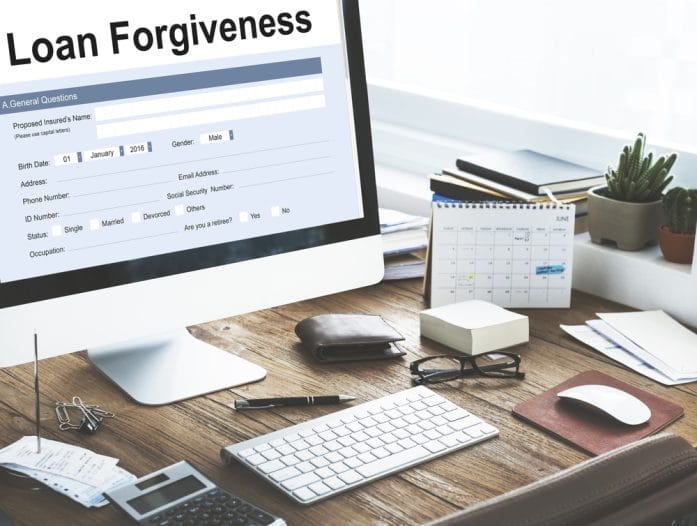
Ever feel like student loans are a twisty maze that only Indiana Jones could navigate without losing his hat? Well, buckle up, because for folks chasing Public Service Loan Forgiveness (PSLF), a big signpost is shifting on July 1, 2026 and it’s set to make some pathways narrower.
This change doesn’t mean the beloved PSLF program is disappearing, but it will reshape who and what qualifies, especially for government and nonprofit workers. Let’s walk through the upcoming shifts with the clarity of a highlighter on your loan paperwork…but with way more flair.
What’s Changing on July 1, 2026 — And Why It Matters More Than Your Morning Coffee
If you’re in public service — teaching, firefighting, civil engineering, health care, or any government gig — PSLF has historically been a portal to forgiving federal student loans after 10 years of service and monthly payments. That promise encouraged people to take meaningful jobs that didn’t always pay six figures. But starting July 1, 2026, the government is tightening the definition of what makes an employer qualify.
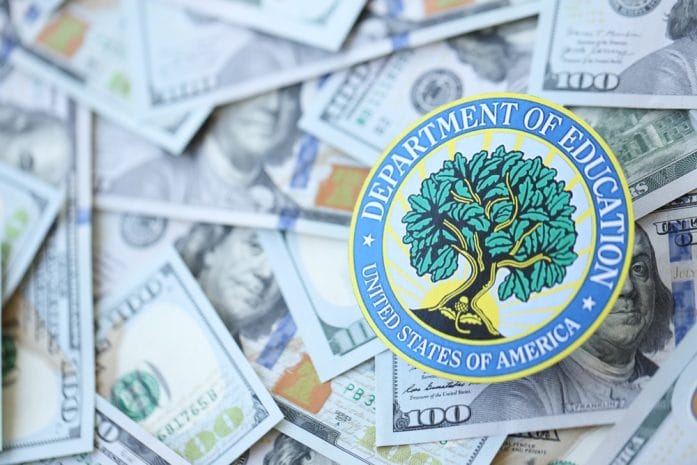
Under the new rule, the Department of Education will exclude employers from PSLF eligibility if they are found to engage in activities that have a “substantial illegal purpose.” What does that mean in real terms? It means if an employer is determined to have conducted unlawful activities that are material to its mission, it could lose its status as a qualifying public service employer. And if that happens, employees working there can no longer count their future months toward PSLF forgiveness.
Qualifying Employers: The New Yardstick You Need to Know
Importantly, only activities occurring on or after July 1, 2026 will be subject to this new rule — so past qualifying work still counts toward your forgiveness timeline. Borrowers won’t lose credit for work they’ve already completed before the change takes effect.
But after that date, if your employer’s PSLF status is revoked, any payments you make toward your loans while working there won’t count. It’s like having your gym points taken away because the gym suddenly changed its rewards program — frustrating, but not retroactive.
How the Department Will Decide Who’s In and Who’s Out
So how does the Education Department decide an employer’s fate? The final rule outlines that the department will use evidence such as court findings, legal admissions, or settlements to make a determination. Employers will get notice and the opportunity to respond before a status change.
This has introduced a level of subjectivity and administrative review that critics argue could produce uncertainty. There’s already been pushback from nonprofit groups and professional associations, who worry it could harm recruitment in fields that rely on PSLF incentives — like healthcare and education. Some fear it creates unpredictability for employers and workers who’ve planned their careers around the promise of loan forgiveness.
What This Means for You
If you’re already on the path to PSLF, your timeline isn’t wiped out by this change. Payments and qualifying months you’ve earned before July 1, 2026, continue to count. However, if you’re banking on those final stretch payments — or planning to switch jobs — you’ll want to make sure your next employer will still qualify under the new standards.
If your organization gets flagged under the new rule and loses PSLF status, you’ve got choices: work towards forgiveness by moving to another qualified employer, hope the employer wins back eligibility through a corrective action plan, or wait out the disqualification period. None of these are tiny decisions, especially when your financial future is on the line.
Stay Informed and Stay Ahead of the Game
Changes like this are a great reminder to stay savvy about federal loan policies. There’s no better antifreeze for stress than understanding the terrain ahead. Keep an eye on official Department of Education updates and lender communications. Get into the habit of recertifying your employment annually — that keeps your qualifying status sharp and current.
What This Means for the Future of Public Service Careers
This moment is a pivot point. The PSLF program won’t disappear — it’s still alive and continues to honor long-term service. But it’s entering a fresher, stricter era. The government says this protects taxpayers and ensures the program serves its original purpose: backing workers who genuinely contribute to the public good. Critics say it muddies the rules and injects political definitions into what was once a straightforward benefit program.
Are you recalculating your PSLF game plan after these changes? What strategies are you considering? Let’s talk about it in the comments.
You May Also Like…
Could Student Loan Forgiveness End Up Costing Borrowers More Later
Student Loan Default Crisis: Millions Of Borrowers Are Now Delinquent or in Default
Are Payday Loans Still A Big Problem?
8 Ways You Should Never Use Student Loan Money For
Will I Ever Be Able to Afford a House With My Current Student Loan Burden?
The post Public Service Loan Forgiveness Changes: The July 1, 2026 Rule Affecting Government Workers appeared first on The Free Financial Advisor.