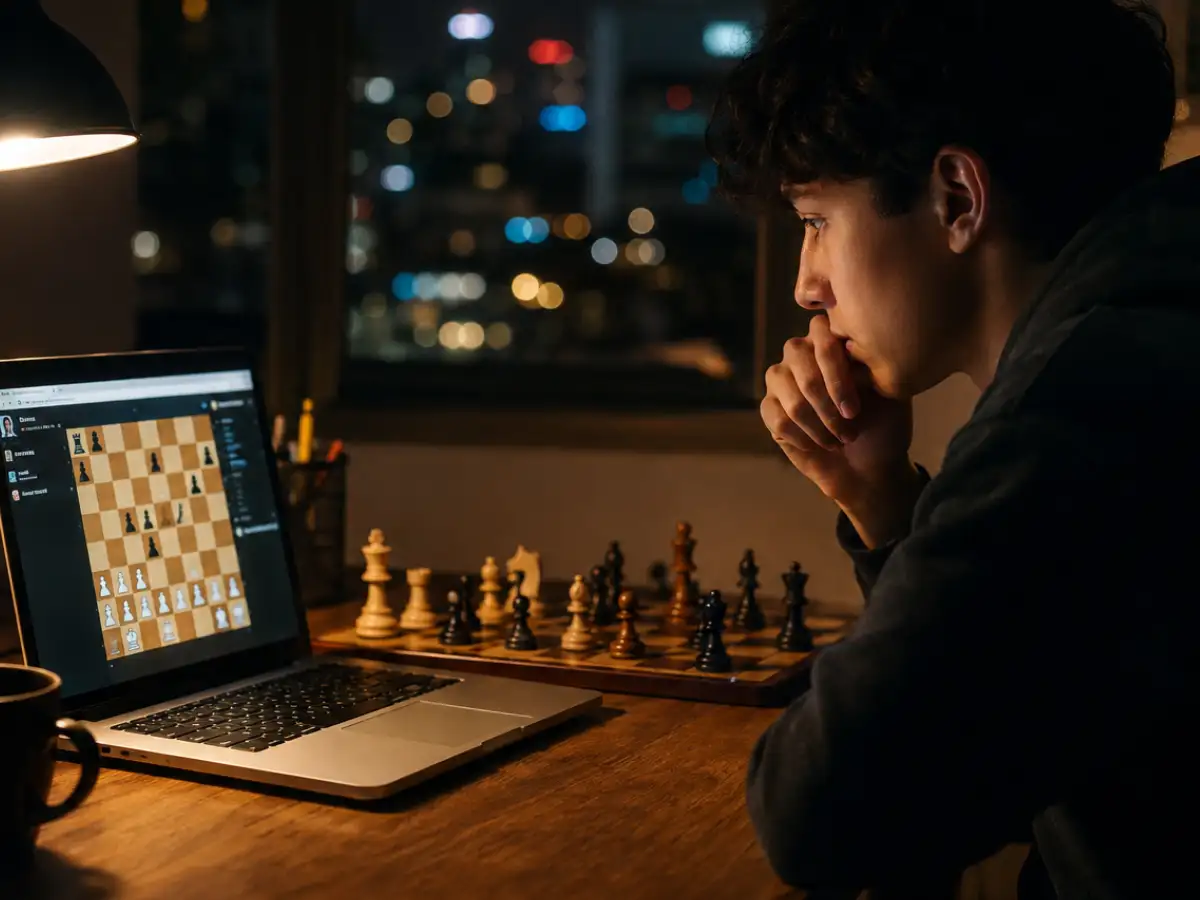
We’ve all heard the “10,000 hours” idea: that enough repetition eventually makes anyone an expert. A new chess study is complicating that story. According to the study, ‘Not All Practice Is Created Equal: Longitudinal Evidence From Over 40,000 Chess Players,’ published in Psychological Science, researchers tracked more than 44,000 Chess. com players over six months and found that how people trained mattered a lot more than how long they played. Players who trained with focused, feedback-driven training improved about 3.6 times faster per hour than players who just kept playing games.
If you’ve ever spent hours doom-scrolling through practice reps, extra sets at the gym, endless flashcards, another round of the same video game, and didn’t feel like you were actually getting better, this research might explain why.