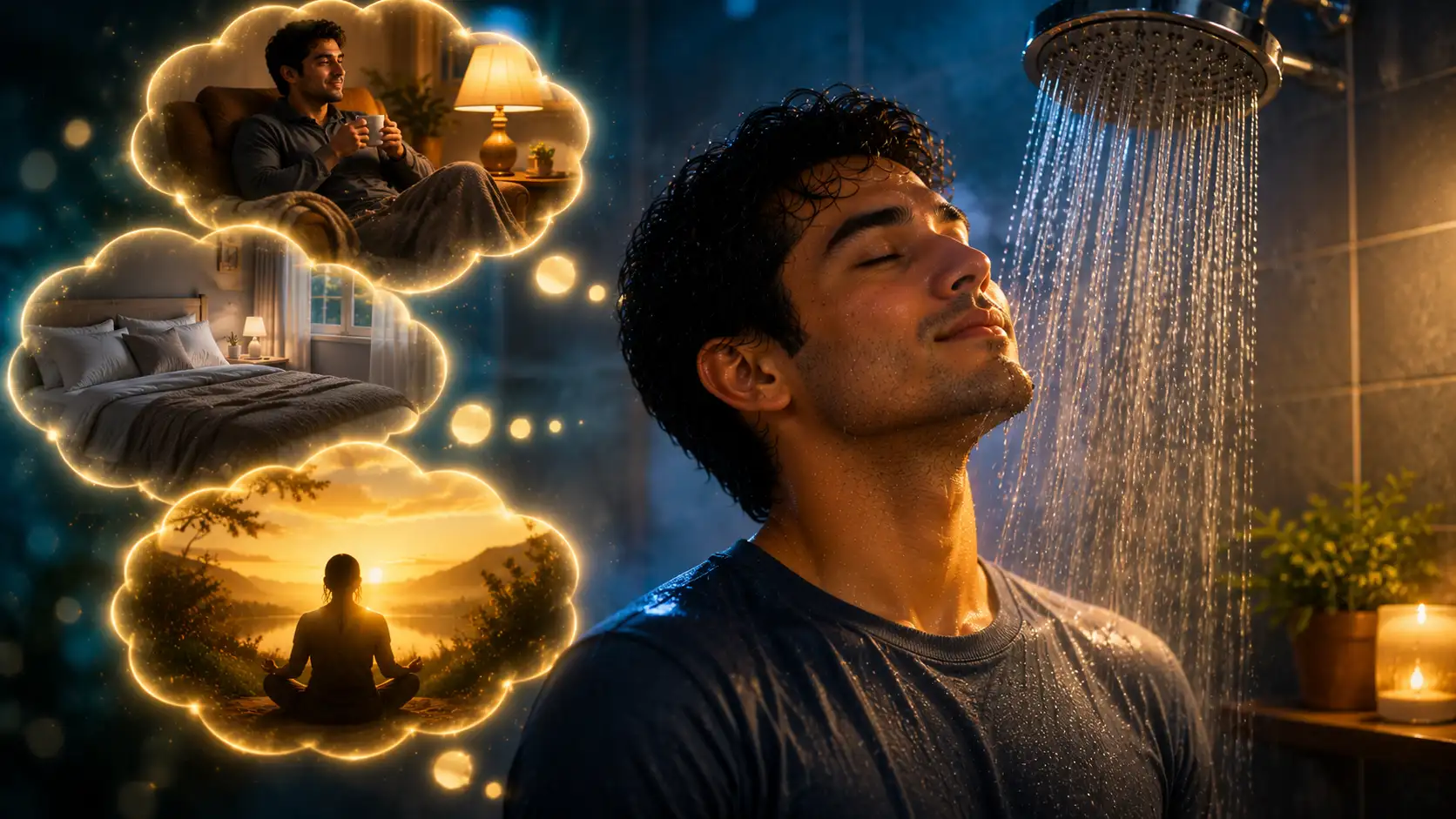
It is a habit that confuses many people. The weather is hot. The air conditioner is running. Temperatures outside are climbing past 90 degrees. Yet some people still step into a steaming hot shower. Friends and family may wonder why anyone would want more heat during the middle of summer. Psychology suggests the answer may have less to do with temperature and more to do with what hot water does for the mind. People who consistently choose hot showers, even during warm weather, are not necessarily ignoring common sense. In many cases, their brains may be responding to psychological needs involving comfort, routine, stress reduction and emotional regulation. Several well-established theories help explain why.

The brain often associates warmth with emotional comfort
One of the most fascinating findings in psychology is that physical warmth and emotional warmth are closely connected. Researchers have found that warm experiences can influence how people perceive comfort, trust and social connection. This idea is known as embodied cognition, the theory that physical experiences shape emotional and mental states.
For example, studies have shown that people holding a warm drink often perceive others as friendlier compared with people holding a cold drink. The same principle may apply to hot showers. The warm water creates physical comfort, which the brain may interpret as emotional comfort as well. For some individuals, a hot shower feels less like cleaning and more like a brief escape from stress.
Hot showers may activate a self-soothing response
Psychologists often discuss self-soothing behaviors, activities people use to calm themselves during stressful periods. Some people read before bed. Others listen to music or wrap themselves in blankets. For many individuals, a hot shower serves the same purpose. The warmth provides a temporary sense of safety and relaxation.
Imagine someone coming home after a difficult workday filled with deadlines and meetings. The shower becomes a predictable environment where nothing is demanded of them. For ten or fifteen minutes, the brain receives a signal that it is safe to relax. That feeling can become highly rewarding.
Habit formation may make hot showers feel non-negotiable
Another explanation comes from habit theory. According to researchers who study habits, repeated behaviors gradually become automatic. Over time, the brain creates strong associations between specific actions and emotional rewards. A person who has taken hot showers for years may begin associating them with comfort, relaxation and stress relief. Eventually, the habit becomes deeply ingrained. The weather outside no longer matters.
The brain expects the routine and feels uncomfortable when it is disrupted. This is similar to people who drink hot coffee on summer mornings despite the heat. The ritual itself becomes more important than the temperature.
Hot water may help create a mental transition
Psychologists who study rituals have found that humans often use routines to mark transitions between different parts of the day. A hot shower can serve as one of those transition rituals. For example, many people shower after work to symbolically wash away the stress of the day.
Others shower before bed as a signal that it is time to relax and prepare for sleep. The brain loves clear transitions because they reduce uncertainty. The hot shower becomes a psychological boundary between one activity and the next. In this way, the habit is less about cleanliness and more about mental organization.
The comfort zone effect may influence temperature preferences
Humans naturally develop comfort zones. These zones include familiar environments, routines and sensations. Psychologists have found that familiarity often feels safer than change. Someone who has spent years taking hot showers may simply perceive that temperature as normal.
Anything cooler may feel wrong or unsatisfying. For example, a person raised in a colder climate may continue preferring warmer showers long after moving to a hotter region. The brain often prioritizes familiarity over logic.
Stress reduction may be the hidden reward
Research has consistently shown that warmth can promote relaxation. Many people report that hot showers help them feel calmer after stressful experiences. Psychologists link this response to emotional regulation, the process of managing emotions and reducing mental tension.
Psychologist James Gross, a leading researcher in emotional regulation, has shown that people often develop routines that help them manage emotional states. A hot shower may become one of those tools. Instead of consciously thinking, "I need to reduce stress," the brain automatically seeks an activity that has provided relief in the past.
Personality traits may play a role
Research on the Big Five personality traits suggests some people place greater value on consistency and routine. Individuals high in conscientiousness often develop structured daily habits and may resist changing them.
Meanwhile, highly sensitive individuals may be especially drawn to physical sensations that promote comfort and relaxation. For these people, the soothing feeling of warm water may outweigh any concern about the summer heat. The experience becomes emotionally rewarding.
The hot shower may be less about temperature and more about what the brain feels
Psychology teaches us that everyday habits can reveal deeper emotional and psychological needs. Choosing a hot shower in the middle of summer is rarely just about temperature.
It is about comfort, familiar routines, and the way people regulate stress and emotions. People who prefer hot showers year-round are not necessarily trying to make themselves warmer. In many cases, they are seeking a soothing ritual that helps them relax, unwind, and feel grounded regardless of the weather outside.
Their brains may simply be seeking a familiar source of calm in a world filled with constant stimulation and stress. Sometimes, a hot shower is not about getting clean. It is about giving the mind a few minutes to feel safe, comfortable and in control. And for many people, that feeling is worth more than a cooler temperature.
FAQs
Why do some people take hot showers even in summer?
Psychologists suggest hot showers can provide emotional comfort, relaxation and a sense of routine that outweighs concerns about temperature.
Are hot showers linked to stress relief?
Yes. Many people use hot showers as a form of self-soothing and emotional regulation after stressful experiences.