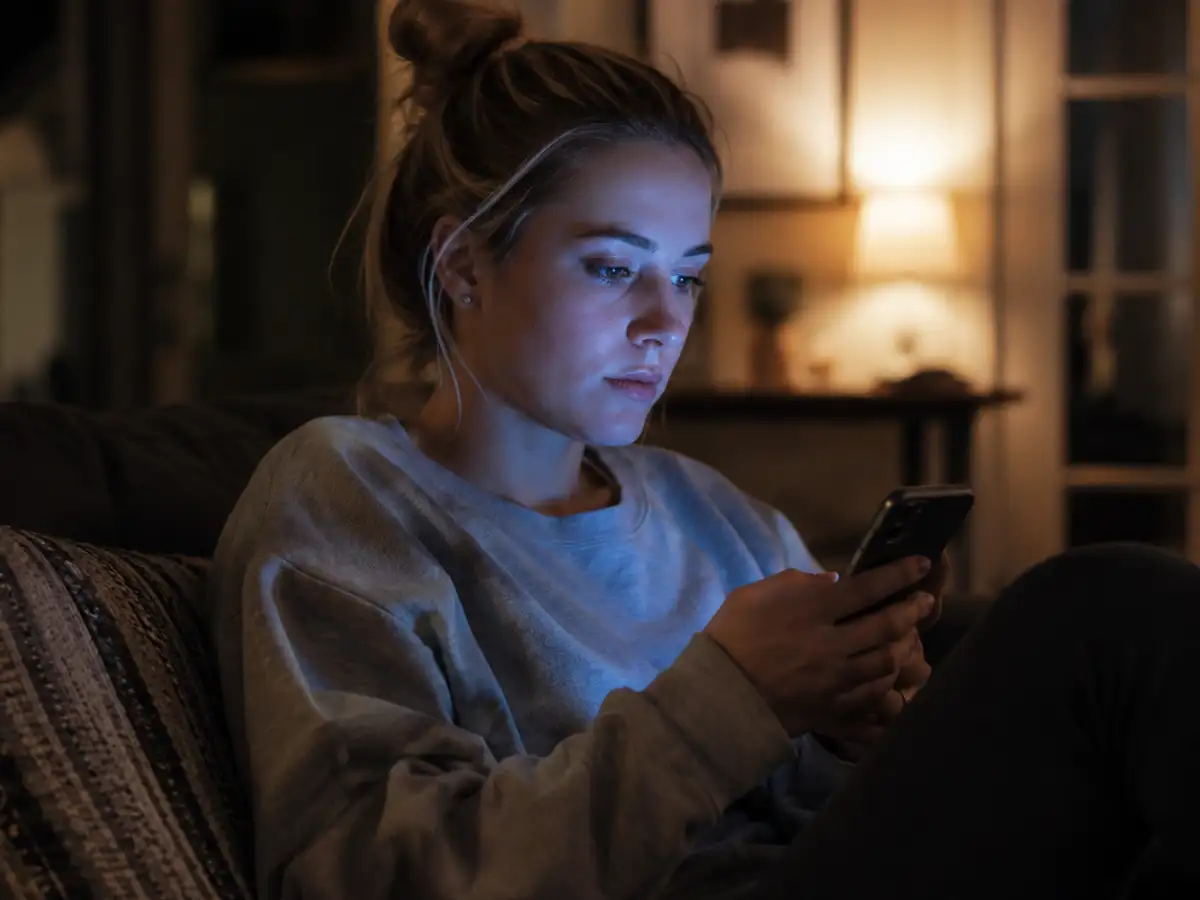
Remember the last time you spent 40 minutes on Instagram before going to bed? You looked at what your friends were doing, watched a couple of reels, and maybe liked a couple of posts. And then when you finally hung up the phone, there was this funny feeling, full and empty at the same time, like you ate a whole bag of chips and still want dinner.
That feeling isn’t weakness. It is not the lack of will. According to a nine-year longitudinal study published in Personality and Social Psychology Bulletin by researchers at Baylor University, the platforms built to bring people together may, in practice, be contributing to a rise in loneliness, and the cycle is harder to escape than most people realize.

The scroll that fools your brain
Once you open an app and start scrolling, your brain absorbs all the surface cues of social interaction: faces, stories, emotional updates, glimpses of other people’s lives. It treats those cues as if you’re part of a social something. And for a couple of minutes it feels like you are.
But there's one thing missing: reciprocity. Nobody is responding to you. Nobody knows that you're there. Researchers call this “social snacking”, passively consuming the content of others, but without any real exchange. It's like junk food that gives you a feeling of fullness that doesn't last, usually leaving you emptier than before.
When you’re scrolling, your brain, built for face-to-face interaction in small groups, doesn’t really see the difference. It hits after the brief sense of connection shatters and something heavier comes in to fill the void.