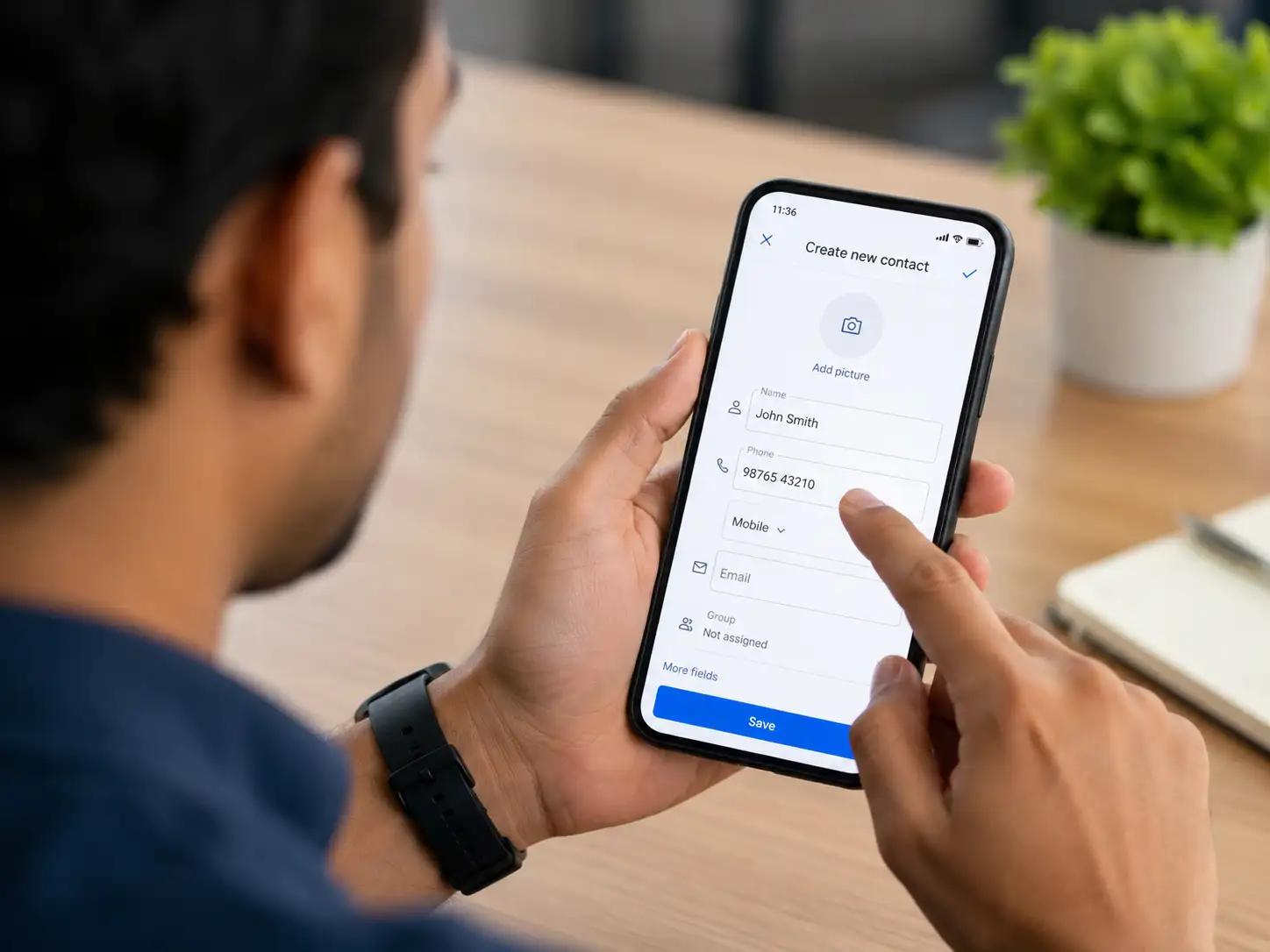
Psychology says people who save numbers of some people with various kinds of names aren't always trying to mislead others. Many people save contacts using nicknames, emojis, workplace titles, inside jokes, or descriptions instead of real names. This habit has become common because smartphones store hundreds of contacts. Psychology suggests that these naming choices often help people remember conversations, identify relationships, or organize their contact list. While some people may see unusual contact names as suspicious, experts believe there can be many simple explanations. Looking at the behavior with context helps people understand why different naming styles develop over time.

Psychology says people who save numbers of some people with various kinds of names aren't always trying to hide something
Psychology says people who save numbers of some people with various kinds of names aren't always doing it for secret reasons. Many people use nicknames, work titles, locations, hobbies, shared memories, or even emojis to identify contacts more easily. The brain often remembers people through personal experiences instead of formal names. This habit can make searching for contacts faster and reduce confusion when a person has many phone numbers stored. In most cases, the choice of a contact name reflects personal memory, organization, or convenience rather than deception. Understanding the context behind the naming style is more useful than making assumptions based on the contact name alone.
What psychology says about saving contacts with different names?
Many people do not save every phone number using a person's full name. Instead, they choose labels that are easier to remember. Some people use a nickname. Others save a person based on where they met them, their profession, a shared activity, or even a funny memory.
Psychology says this behavior does not automatically indicate dishonesty or secrecy. Human memory often works by connecting information with experiences. A contact name that reminds someone of a particular event may be easier to recognize than a formal name. The brain naturally creates associations. These associations help people recall information quickly without thinking too much.
What does this mean?
Saving contacts with different names often reflects how a person processes information. Some people organize their digital life based on emotions. Others focus on convenience or memory. For example, someone may save a colleague as "Office Rahul," a neighbor as "Flat 302," or a friend as "College Group." These labels make recognition faster.
In many cases, the chosen name has meaning only for the phone owner. Another person looking at the contact list may misunderstand the reason behind it. Psychology explains that people build mental shortcuts to simplify everyday tasks. Contact names can become one of those shortcuts.
Why is it done?
There are many reasons people save contacts with different names. One common reason is memory. A descriptive label helps identify someone immediately. Another reason is emotional connection. A nickname may remind someone of a shared experience or a personal bond.
Some people manage hundreds of contacts for work. They may organize numbers according to projects, companies, locations, or job roles. Others use emojis, initials, or short phrases simply because they find them easier to search.
Some people also want privacy. They may not want others who borrow their phone to immediately identify certain contacts. This does not always mean they are hiding something. Privacy and secrecy are not always the same. Different personalities also influence digital habits. Some people prefer structured systems, while others use creative labels.
Which psychology theory explains this behavior?
One explanation comes from schema theory. According to this theory, people organize information into mental frameworks called schemas. These frameworks help the brain recognize and retrieve information quickly. When someone saves a contact as "Gym Friend" instead of a full name, the label connects directly with an existing mental category. This makes recall easier.
Another explanation comes from associative memory. The brain stores information by linking related experiences together. A contact saved with a meaningful description becomes easier to remember because it activates those connected memories. Cognitive psychology also suggests that people create systems that reduce mental effort. Instead of remembering every full name, descriptive labels provide immediate recognition.
The principle behind it
The basic psychological principle is that the human brain prefers meaningful associations over isolated information. People often remember stories, places, emotions, or shared experiences more easily than names alone. This explains why someone may remember a person as "Travel Group," "Book Club," "Doctor Appointment," or "Morning Walk" instead of using their formal identity.
The principle also reflects personal organization. Every individual creates systems that match their own thinking style. Because these systems are personal, they may appear unusual to someone else.
What can we learn from this behavior?
One lesson is that digital habits should not be judged without context. People organize information differently because every brain processes information in its own way. Looking only at a contact name rarely tells the complete story. Open communication remains more useful than making assumptions based on a phone contact list.
This behavior also reminds people that technology has become an extension of memory. Smartphones now store reminders, schedules, conversations, and contacts. People naturally adapt these tools according to their personal needs. Understanding these habits can reduce misunderstandings between partners, friends, and family members.
Life lessons from this behavior
Saving contacts with different names offers several lessons about human behavior.
- First, appearances can be misleading. A contact name does not always explain the relationship.
- Second, every person develops unique ways to stay organized. What works for one individual may seem unusual to another.
- Third, memory depends on personal experiences. Labels connected with emotions or events are often easier to remember.
- Fourth, communication is more reliable than assumptions. If someone has concerns about unusual contact names, discussing them respectfully usually provides better answers than guessing.
- Finally, psychology reminds us that behavior should be understood within its complete context. One habit alone rarely defines a person's character or intentions.
As digital communication continues to grow, people will likely create even more personal ways to organize their contacts. Rather than judging these habits immediately, understanding the psychology behind them helps build stronger relationships and encourages more thoughtful communication.