Get all your news in one place.
100's of premium titles.
One app.
Start reading
The Economic Times
The Economic Times
Gandharv Walia

Psychology says people who reach their relatives' house unannounced aren't necessarily being disrespectful: What this behavior reveals?

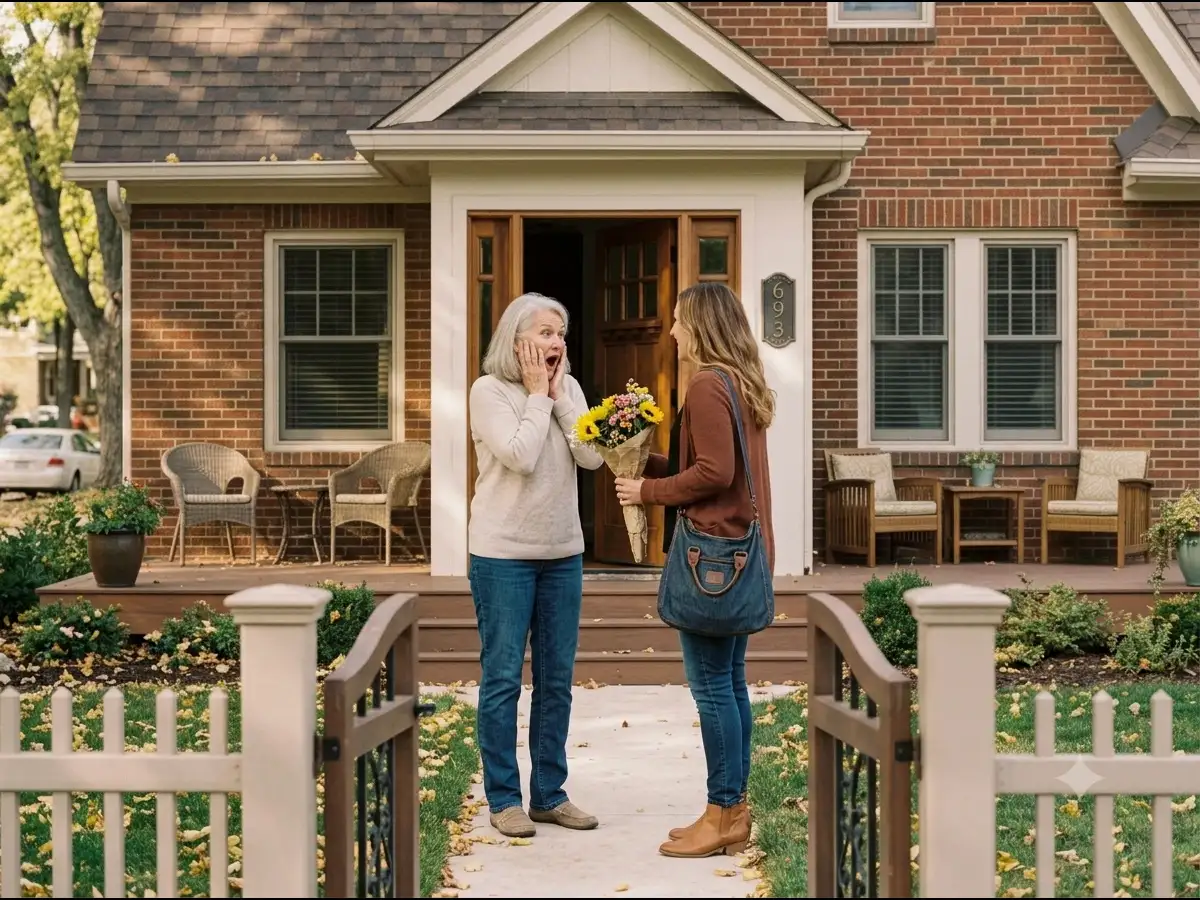
Psychology says people who reach their relatives' house unannounced aren't always aware of personal boundaries. They may see family homes as places they can enter without asking. Their intention may be to meet someone, spend time together or seek company. However, the person receiving the visit may see the situation in another way. They may have work, rest, household duties or personal plans. An unexpected visit can interrupt those plans. Psychology looks at this behavior through ideas such as boundaries, perspective-taking, family systems, territoriality and the way people understand their homes and private spaces.

What Psychology Says?

Showing up at a relative's home without informing them can point to a difference in how two people understand family access. The visitor may believe that being related means they do not need to ask before coming over. The person at home may believe that family relationships still require notice and consent. This difference can create conflict even when the visitor does not intend to cause harm.

Psychology can describe this pattern through several behaviors:

  • Boundary blindness: The person may not recognize that another person's time and home belong to that person.
  • Low perspective-taking: They may not stop to consider what the other person could be doing.
  • Family enmeshment: In some families, personal boundaries are treated as distance or rejection.
  • Impulse-driven behavior: The wish to see someone may take priority over social rules.
  • Need for attention: The visit can sometimes be linked to a need for company, reassurance or recognition.

This does not mean every person who arrives without notice has a psychological problem. A single unannounced visit can happen because of habit, poor planning or a different understanding of social etiquette.

What Does This Mean?

The behavior can reflect a person's understanding of access and privacy. Some people grow up in homes where relatives enter each other's houses without calling. In those families, an unannounced visit may be treated as normal. Other people grow up with a rule that everyone should call or send a message before visiting. For them, the same action may feel intrusive. The disagreement can therefore come from different social expectations.

The visitor may think:

  • We are family, so I can come.
  • They will be happy to see me.
  • I do not need an invitation.
  • I was nearby, so I decided to visit.
  • Family members should be available to each other.

The person at home may think:

  • I needed time alone.
  • I had other plans.
  • I was working.
  • I was resting.
  • I wanted notice before having someone over.

Neither interpretation automatically explains the whole relationship. The problem begins when one person's expectation is treated as the only valid expectation.

Why Is It Done?

There can be several reasons behind an unannounced visit.

Cultural conditioning

People learn social behavior from their families and communities. In some places and generations, visiting relatives without calling was common. A person who grew up with this practice may continue it because it feels normal to them. They may not understand why another person wants prior notice.

Instant gratification

A person may suddenly want to meet a relative and act on that feeling. The desire for company can become more important than checking whether the other person is available. Boredom can also play a role. Someone who wants to talk may decide to visit instead of waiting for an invitation.

Attention and validation

Some visits can be linked to a need for attention or reassurance. The visitor may want to feel connected to the family. They may also want confirmation that they are welcome. In such cases, being told to call first can be interpreted as rejection, even when the request is only about timing and privacy.

Which Psychology Theory Explains This Behaviour?

Several psychological ideas can help explain the behavior. One is Extended Self Theory, associated with consumer researcher Russell W. Belk. In his 1988 paper, Belk argued that possessions can contribute to a person's identity and can become part of the extended self.

The idea can help explain why a home can feel connected to personal identity. A person's home is not only a physical structure. It can also represent privacy, control, routine and personal space.

Research on territoriality in the home also describes homes as spaces where different areas can have different levels of control and social meaning. A study by Rachel Sebba and Arza Churchman examined territoriality in homes and identified areas that can function as individual, shared, public or activity spaces.

This helps explain why an unexpected entry can feel different from meeting someone in a public place. The home may be the place where a person expects control over who enters and when.

READ ALSO: Psychology says people who try to save every penny they can aren't just trying to build wealth: What this behavior means and teaches us?

This Psychology Study Says

Research does not establish that every person who visits relatives without notice lacks empathy or has poor boundaries. These are possible interpretations, not diagnoses. Studies of territoriality show that people can attach meaning to physical spaces and can have different expectations about control within those spaces.

Research on personal space also shows that intrusion into a person's preferred space can produce discomfort and changes in physiological arousal. This provides a basis for understanding why a surprise visitor can cause stress even when there is no conflict between the people involved. The reaction can be stronger when the person at home feels that they have lost control over their own space.

The Principle Behind It

The principle involved here is territoriality. Territoriality refers to how people establish, use and protect areas they consider under their control. The home is one of the main places where this process appears.

A person may use their home for:

  • Rest
  • Work
  • Family time
  • Private conversations
  • Personal routines
  • Solitude
  • Recovery from daily demands

When someone arrives without notice, the person at home may have to change their routine. The issue is not simply the physical presence of another person. It is also the loss of control over time and space. This is why two relatives can view the same visit differently. One may see it as an act of closeness. The other may see it as an interruption.

What To Learn From It?

The main lesson is that family connection does not remove the need for communication. People often assume that relatives understand the same rules about visits. That assumption can create problems. A person may think calling before visiting is basic courtesy. Another person may think calling is unnecessary between relatives. The solution is to make the expectation clear.

For example:

  • Please message me before coming over.
  • Please call before you leave your house.
  • I may not always be available.
  • I am happy to meet, but I need some notice.
  • If today does not work, we can choose another day.
  • Clear communication removes the need for guessing.

Life Lessons From The Behavior

Boundaries do not have to mean that a relationship is weak. A person can love their relatives and still want notice before a visit. Setting this rule can help prevent frustration from building over time.

Boundaries can protect relationships

When people repeatedly accept unwanted interruptions without speaking about them, resentment can grow. A simple request can prevent this. Please text before coming over is different from rejecting a relative. It tells the person how to approach the relationship in a way that respects both sides.

Explain the problem instead of only complaining

If someone arrives without notice, the person at home can explain the situation. They can say that the timing does not work and suggest another time. This gives the visitor a clear rule instead of leaving them to guess what went wrong.

Protect personal space

A home can provide a place to rest and manage daily pressure. People may need time without visitors. That need does not automatically mean they do not value their relatives.

Understand different family habits

Not every family follows the same rules. Some families prefer frequent visits. Others prefer planned meetings. Both patterns can exist. The important point is that family members should understand the expectations of the person whose home they are entering.

Avoid assuming access

Being related to someone does not automatically mean having access to their home at any time. A family relationship can include closeness and boundaries at the same time. The issue can be handled through a simple habit: ask before visiting.

Sign up to read this article
Read news from 100's of titles, curated specifically for you.
Already a member? Sign in here
Related Stories
Top stories on inkl right now
One subscription that gives you access to news from hundreds of sites
Already a member? Sign in here
Our Picks
Fourteen days free
Download the app
One app. One membership.
100+ trusted global sources.