
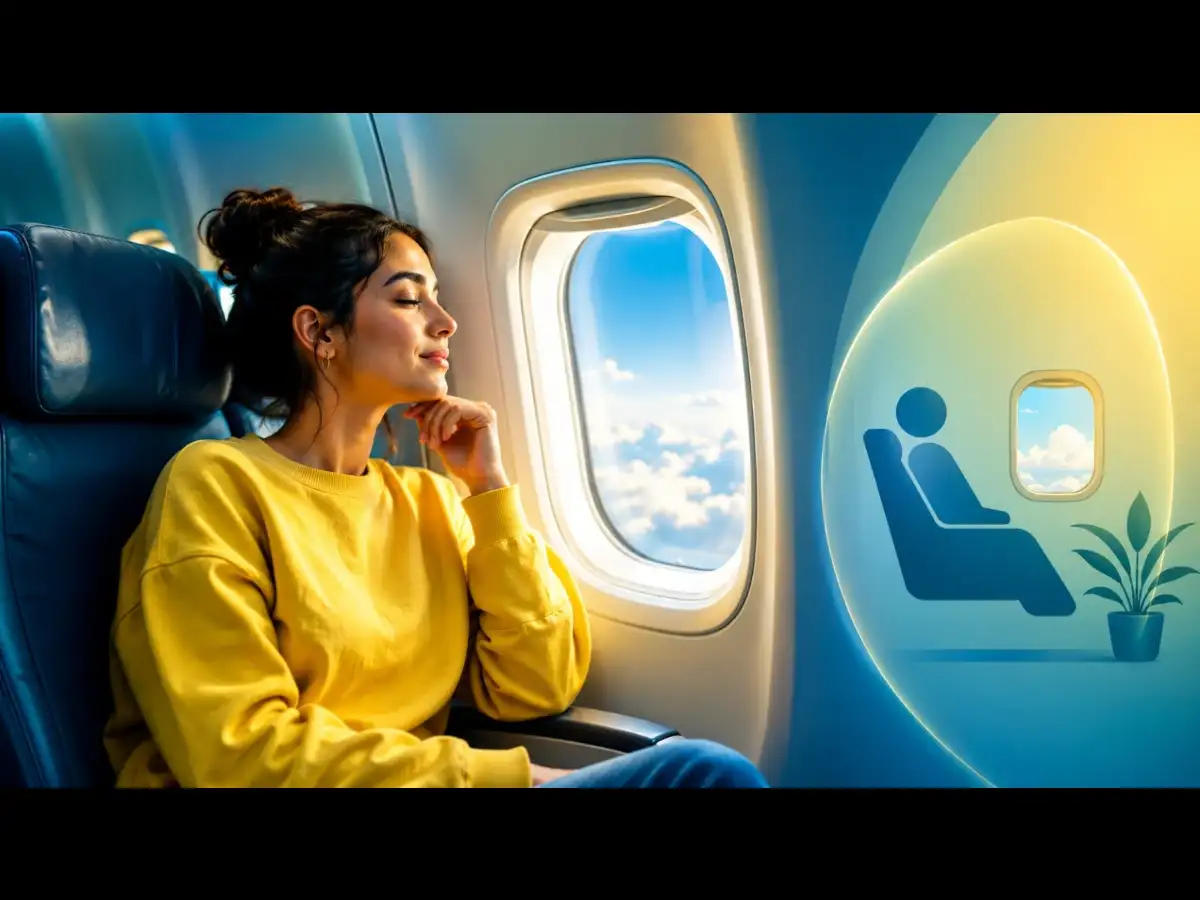
For some travelers, choosing a window seat seems almost automatic. They select it during online check-in, pay extra for it or request it before boarding, only to spend most of the journey looking at their phone, reading or sleeping. If the view is barely being used, why does the window seat still feel preferable? Psychology offers one possible explanation: the attraction may involve perceived control, autonomy and personal space as much as the scenery itself. Research on the psychological need for control suggests that people generally value the belief that they can influence or manage aspects of their environment, while research on autonomy distinguishes the freedom to choose from the actual ability to control an outcome.
A window seat does not give a passenger meaningful control over the aircraft, of course. But it can provide a stronger feeling of having a defined place within the cabin. The wall is on one side, the aisle is on the other, and fewer people can move past the passenger on that side. For some people, that arrangement may simply feel more predictable and contained.












