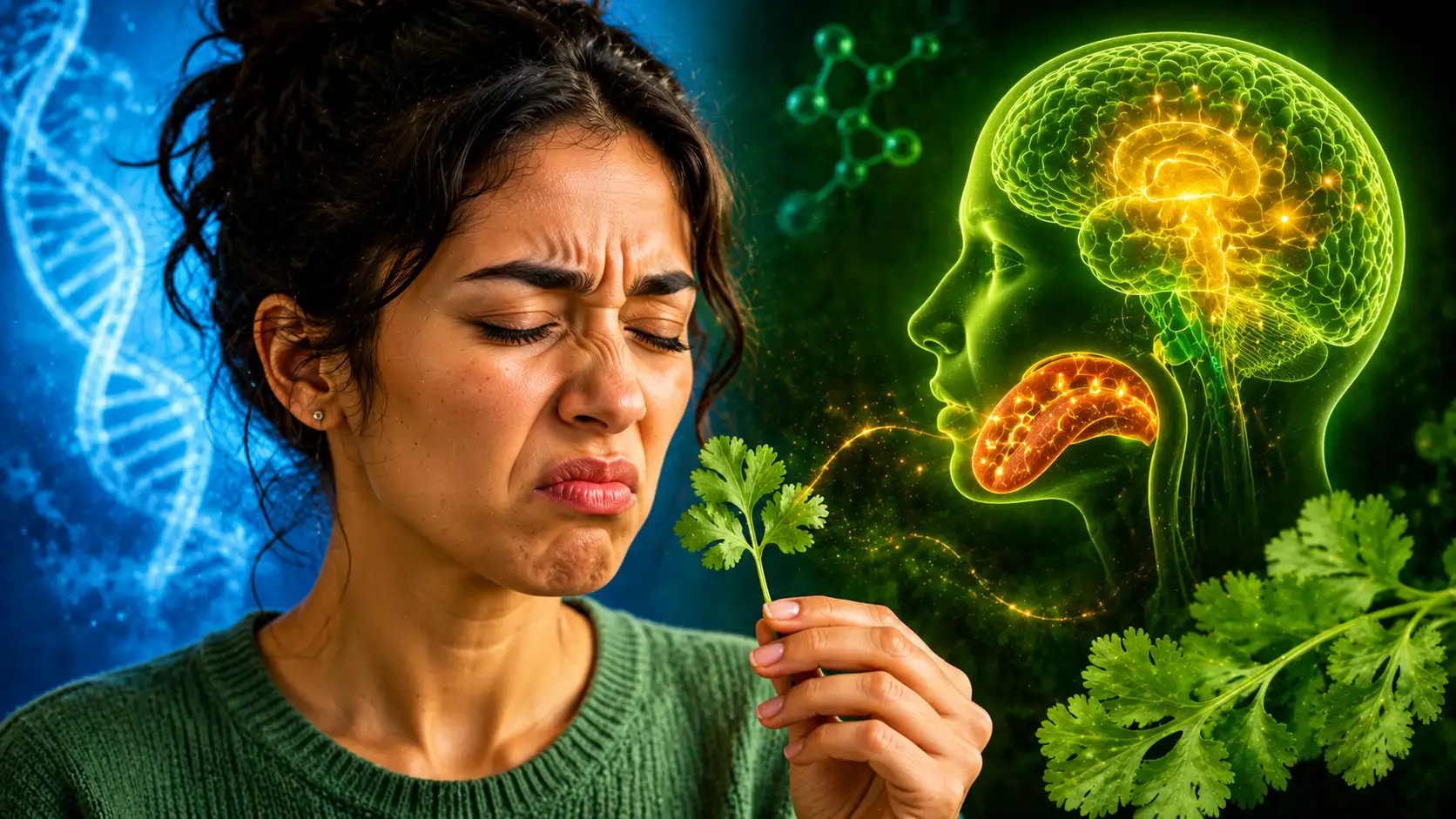
Most food preferences are easy to explain. Some people love spicy food. Others avoid mushrooms. Some cannot resist desserts. But cilantro is different. For years, people who dislike cilantro have heard the same jokes. They are told they are picky eaters, too sensitive or unwilling to try new foods. Yet psychology and science suggest something surprising: many of these people are not exaggerating at all. For some individuals, cilantro genuinely tastes unpleasant. Instead of tasting fresh, citrusy, or herbal, it may resemble bitter medicine, soap, chemicals or even crushed pills. In other words, they may be experiencing an entirely different sensory world. Psychology suggests this unusual reaction is a combination of biology, sensory processing, and how our brains interpret flavors.
Here is what may actually be happening.