Get all your news in one place.
100's of premium titles.
One app.
Start reading
The Economic Times
The Economic Times
Aastha Raj

Psychology says people who give funny pet names to their friends may be strengthening bonds without even realizing it

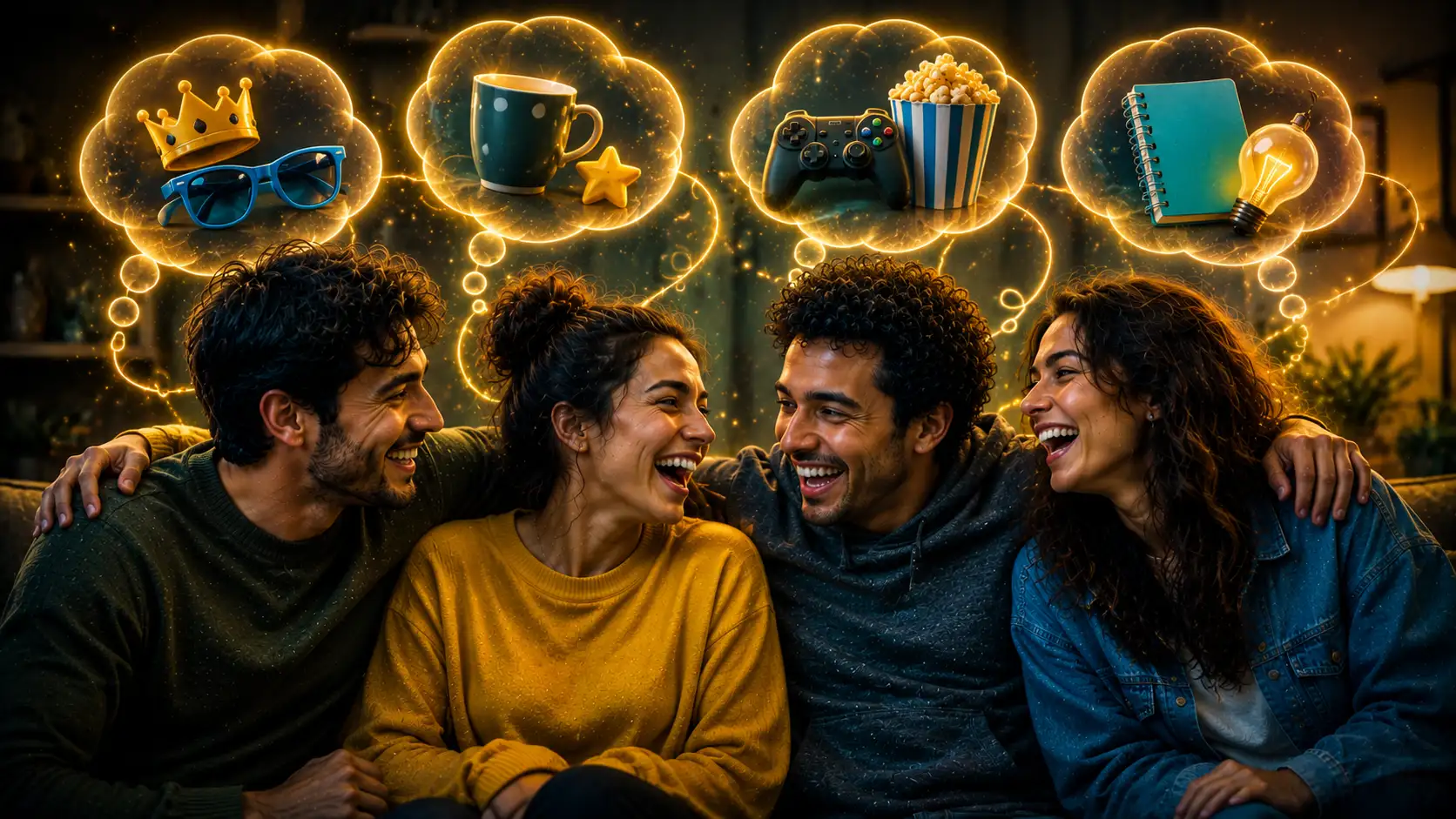
Almost every close friend group has them. Someone is called "Potato," another is known as "Grandpa," while someone else answers to "Goblin," "Captain Chaos," or another nickname that makes no sense to outsiders. To strangers, these names can seem odd or childish. But psychology suggests they often serve a much bigger purpose than simply making people laugh. As per psychologists who study friendships, humor, and communication say playful nicknames can strengthen relationships, reinforce group identity, and create shared memories. Of course, context matters. A nickname is only positive when everyone involved enjoys it and it is used respectfully.

Here are several psychological theories that help explain why people love giving funny pet names to their friends.

Humor creates stronger social bonds

One of the best-supported explanations comes from the Social Bonding Theory of Humor. Psychologists have found that shared laughter increases feelings of trust, belonging, and connection. A funny nickname often becomes an inside joke that only members of the friendship understand.

For example, if someone once dropped an entire pizza at a party, they may jokingly become "Chef Disaster" for years afterward. The nickname reminds everyone of a shared memory, reinforcing the group's emotional connection. Rather than making fun of someone, these playful names often celebrate shared experiences.

READ ALSO: Psychology says people who eat dinner before 7 p.m. may have more than healthy eating, they may be scared to break the predictable pattern

Shared nicknames strengthen group identity

Another explanation comes from Social Identity Theory, developed by psychologists Henri Tajfel and John Turner. The theory suggests people naturally create identities based on the groups they belong to.

Inside jokes, traditions, and nicknames become symbols of membership. Think about a sports team, college roommates, or longtime coworkers. Funny pet names often become part of the group's unique language. Someone hearing the nickname for the first time may not understand it, but the group instantly recognizes its meaning. This creates a stronger sense of belonging.

Nicknames become symbols of shared memories

Psychologists also point to Associative Memory. The brain naturally links words with emotions and experiences. When a nickname develops from a memorable event, hearing it later can immediately trigger positive memories and emotions.

For instance, a friend nicknamed "Marathon" after unexpectedly winning a charity race may smile every time the name is mentioned because it reminds them of that shared experience. Over time, the nickname becomes emotionally meaningful rather than simply descriptive.

Playfulness reflects psychological safety

Researchers studying relationships often describe Psychological Safety as the feeling that people can express themselves without fear of embarrassment or rejection. Friend groups with high psychological safety are often comfortable teasing each other respectfully, sharing jokes, and using playful nicknames.

For example, someone who comfortably laughs when friends call them "Professor" because they always explain everything is likely in an environment where trust already exists. Without that trust, the same nickname could feel insulting instead.

READ ALSO: Psychology says people who change their bedsheets every day may be seeking more than just hygiene, they may be cleaning off the stress

Humor helps regulate emotions

Psychologists have long recognized humor as a healthy Emotion Regulation strategy. Shared jokes can reduce stress, ease awkward situations, and strengthen resilience during difficult times.

Imagine a group preparing for final exams or working through a stressful project. Calling the most organized friend "CEO" or "Boss" may add humor to the situation and reduce tension. In this way, funny pet names often become tools for maintaining positive group morale.

Creativity often plays a role

People who enjoy inventing unusual nicknames frequently display creative thinking. According to research on Divergent Thinking, creative individuals enjoy generating original ideas and making unexpected associations. Turning an ordinary event into a memorable nickname requires imagination.

For example, someone who always carries snacks might become "Emergency Rations," while another who is constantly late might affectionately become "Tomorrow." These names are memorable because they transform everyday observations into playful language.

Respect always matters

One important point psychologists emphasize is that nicknames strengthen relationships only when everyone enjoys them. A funny pet name shared between close friends may communicate affection.

The same nickname used without permission, or with the intention to embarrass someone, can have the opposite effect. Healthy friendships depend on mutual respect, empathy, and understanding of personal boundaries. The psychology lies not in the nickname itself but in the relationship surrounding it.

Psychology suggests that people who give funny pet names to their friends may be expressing humor, creativity, trust, and social closeness rather than simple silliness.

Social Identity Theory, humor research, associative memory, emotion regulation, and psychological safety all help explain why playful nicknames often become lasting symbols of friendship. In many cases, those unusual names aren't random at all. They're reminders of shared experiences, inside jokes, and the emotional connections that make friendships memorable.

FAQs

Why do people give funny nicknames to their friends?

Psychologists say playful nicknames often strengthen social bonds, create shared memories, and reinforce a sense of belonging within a group.

Are funny pet names a sign of close friendship?

Often, yes. When both people enjoy the nickname, it can reflect trust, affection, and psychological safety within the relationship.

Sign up to read this article
Read news from 100's of titles, curated specifically for you.
Already a member? Sign in here
Related Stories
Top stories on inkl right now
One subscription that gives you access to news from hundreds of sites
Already a member? Sign in here
Our Picks
Fourteen days free
Download the app
One app. One membership.
100+ trusted global sources.