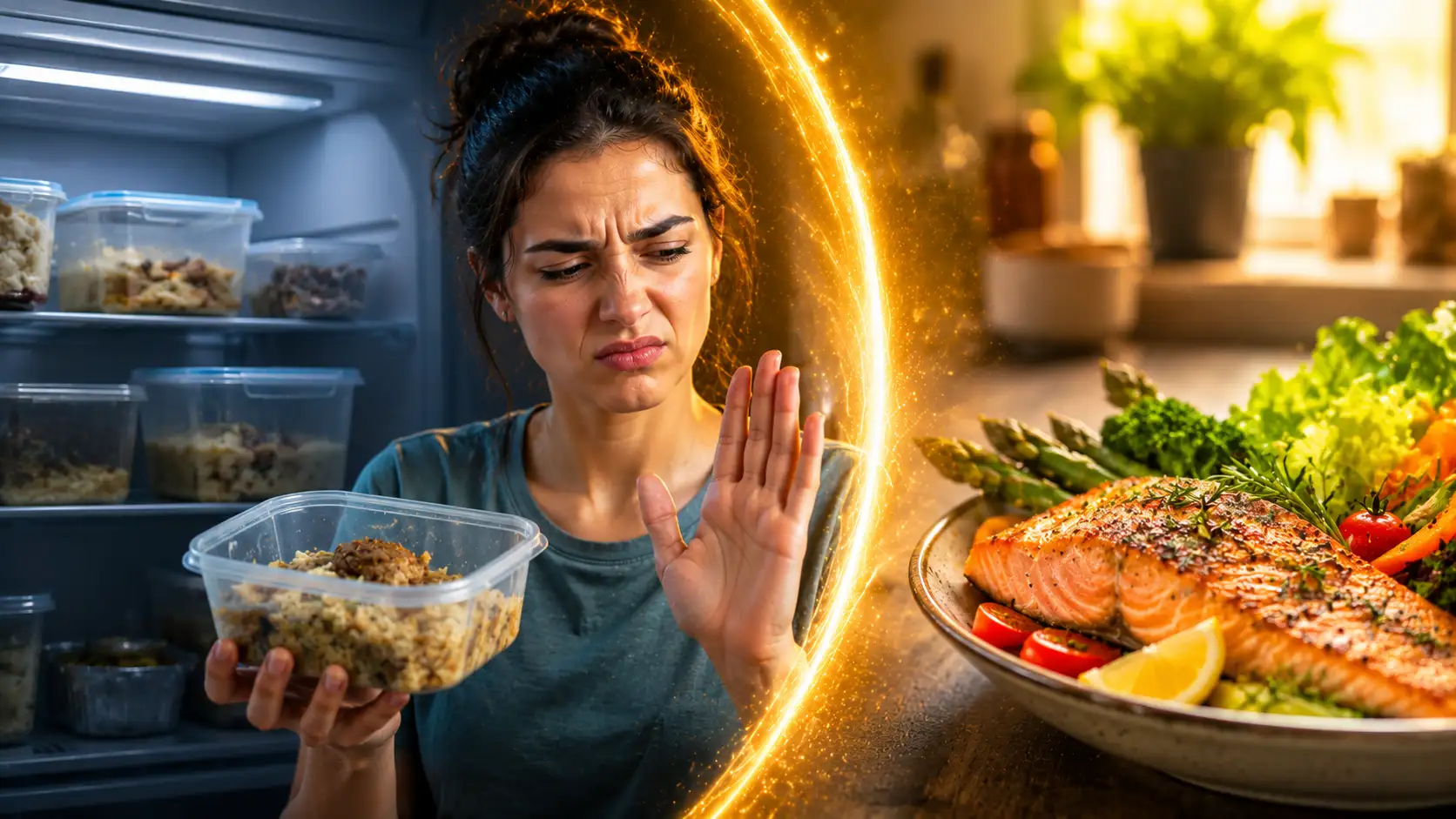
For some people, yesterday's dinner tastes just as good the next day. Others avoid leftovers whenever possible, even if the food has been refrigerated properly and is completely safe to eat. Friends or family may describe them as "too picky" or "wasteful." Psychology suggests the explanation is often more complex.
The human brain evolved to pay close attention to signs of food quality. Smell, texture, appearance, and freshness all influence whether a meal feels appealing. These reactions vary from person to person, which helps explain why one individual happily reheats pizza while another prefers cooking something new.
Of course, not everyone avoids leftovers for psychological reasons. Cultural preferences, cooking habits, dietary choices, and actual food safety concerns also matter. However, several well-established psychological theories help explain why some people naturally prefer freshly prepared meals.
Your brain is designed to notice signs of freshness
One explanation comes from research on the Behavioral Immune System, a theory developed by psychologists studying how humans avoid disease. Long before refrigerators existed, eating spoiled food could lead to serious illness. As a result, humans evolved psychological mechanisms that encourage caution around foods that appear old, smell different, or have changed texture.
Even when leftovers are perfectly safe, the brain may still respond to subtle cues that suggest reduced freshness. This protective instinct varies widely between individuals.
Disgust sensitivity differs from person to person
Another explanation involves Disgust Sensitivity. Psychologists have found that some people naturally experience stronger feelings of disgust than others, especially toward food that appears stale, soggy, or altered.
Imagine reheated French fries that have lost their crispness or pasta whose texture has changed overnight. Someone with higher disgust sensitivity may find these changes far more unpleasant than someone else would. The reaction is psychological as well as sensory.
We often associate fresh food with higher quality
Another useful concept is the Freshness Heuristic. A heuristic is a mental shortcut the brain uses to make quick decisions. Many people automatically associate freshly cooked food with better taste, higher quality, and greater safety. This doesn't necessarily mean leftovers are unsafe.
Rather, the brain often uses freshness as a simple signal when evaluating food. For some people, that shortcut strongly influences appetite.
Familiar meals become less rewarding over time
Psychologists also study Sensory-Specific Satiety, which refers to the tendency for enjoyment of a particular food to decline after repeated exposure.
Yesterday's dinner may no longer provide the same excitement because the brain has already experienced its flavors. A newly prepared meal offers greater novelty, making it feel more appealing even if both meals contain similar ingredients.
Food preferences are shaped through learning
Another explanation comes from Conditioned Taste Preferences. Throughout life, people develop positive or negative associations with certain foods based on personal experiences.
For example, someone who became sick after eating leftovers years ago, even if the illness wasn't caused by the food itself, may develop a lasting dislike for reheated meals. The emotional memory can influence future food choices without the person realizing it.
Personality also influences food choices
Research on Food Neophobia shows that people differ in their willingness to eat foods they perceive as unfamiliar or changed. Although leftovers are not technically "new," reheating often changes their smell, texture, and appearance. For some individuals, those changes make the food feel less appealing. Others are naturally more flexible and barely notice the difference.
Avoiding leftovers doesn't always mean someone is difficult
A general belief is that people who refuse leftovers are simply being picky. Psychology doesn't support such a broad conclusion.
Many people are responding to differences in sensory perception, emotional associations, and instinctive judgments about freshness. Others simply enjoy the experience of eating freshly prepared food more than reheated meals. Neither preference is inherently right or wrong.
FAQs
Why do some people dislike eating leftover food?
Psychologists say differences in sensory perception, disgust sensitivity, freshness preferences, and learned experiences can all influence this preference.
Why does reheated food sometimes seem less appealing?
Reheating can change texture, aroma, and flavor, which may reduce enjoyment through sensory-specific satiety and freshness perceptions.