1/10 - PSLV-C56 places seven Singapore satellites into orbit
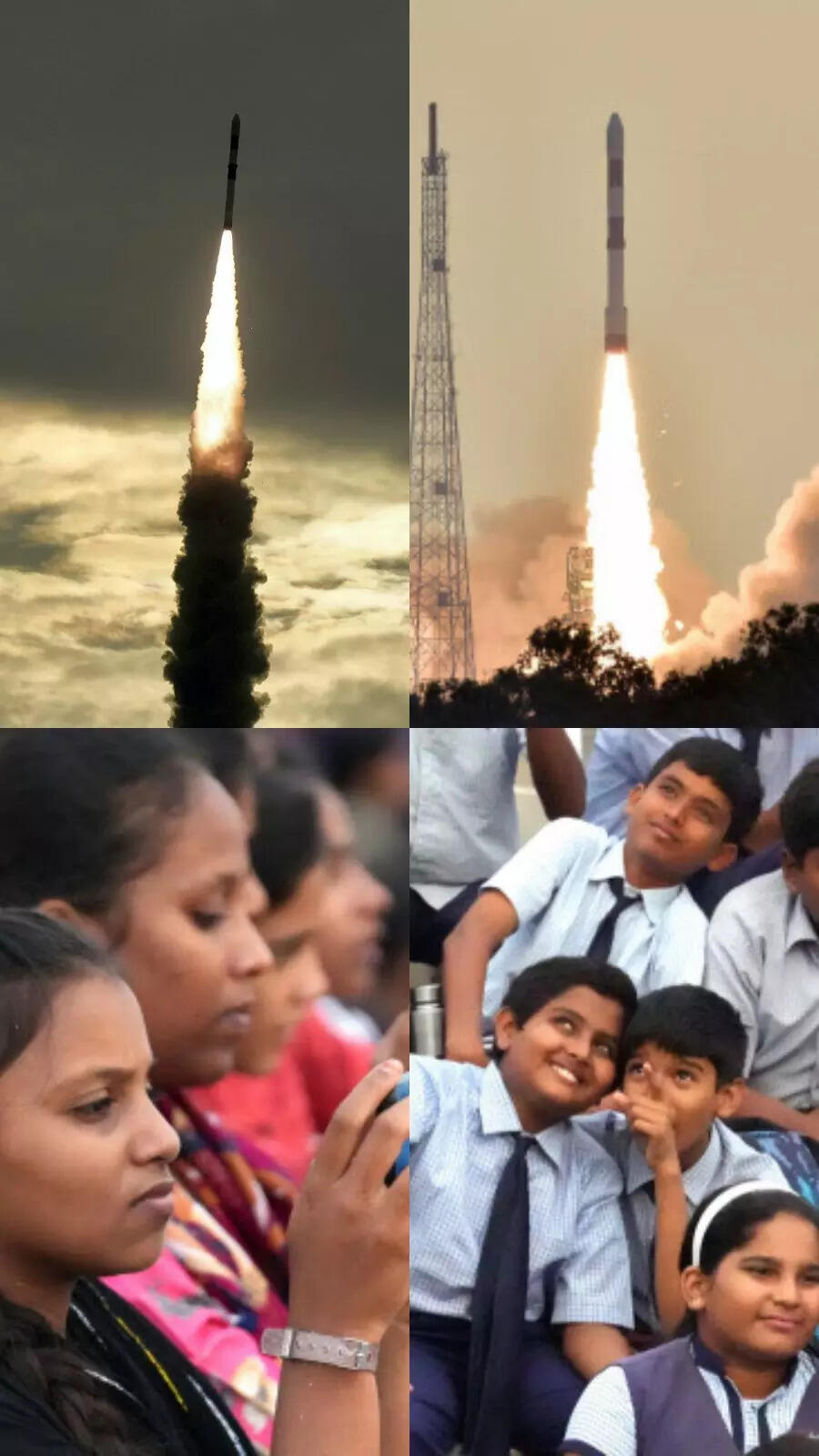
PSLV-C56 places seven Singapore satellites into orbit
2/10 - PSLV-C56 placed these satellites to a 535km circular orbit
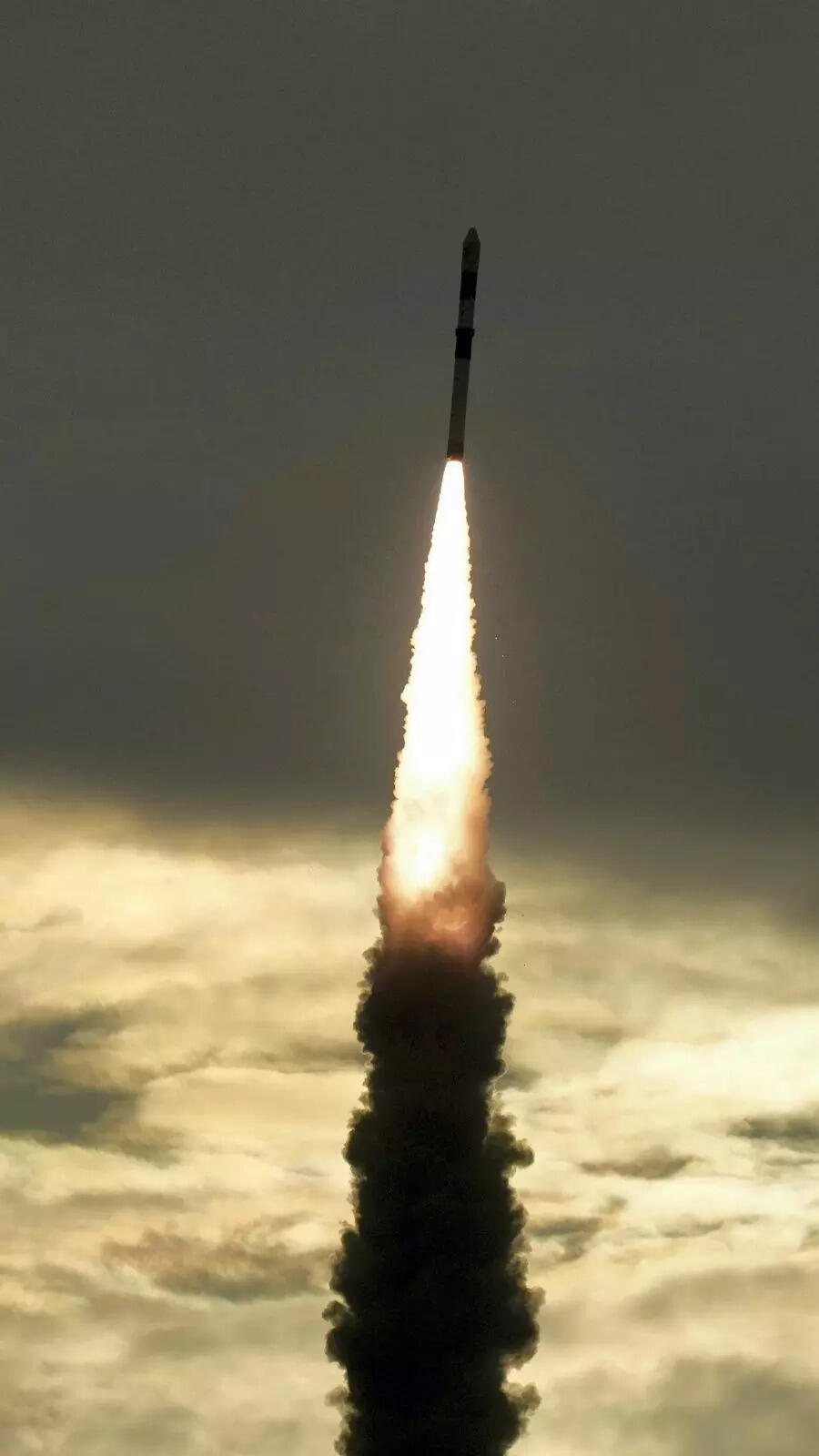
The Polar Satellite Launch Vehicle (PSLV-C56) placed these satellites to a 535km circular orbit before the rocket’s upper stage was deorbited to a low earth circular orbit to reduce its orbital life.
3/10 - Its fourth stage was placed in 300km low earth circular orbit
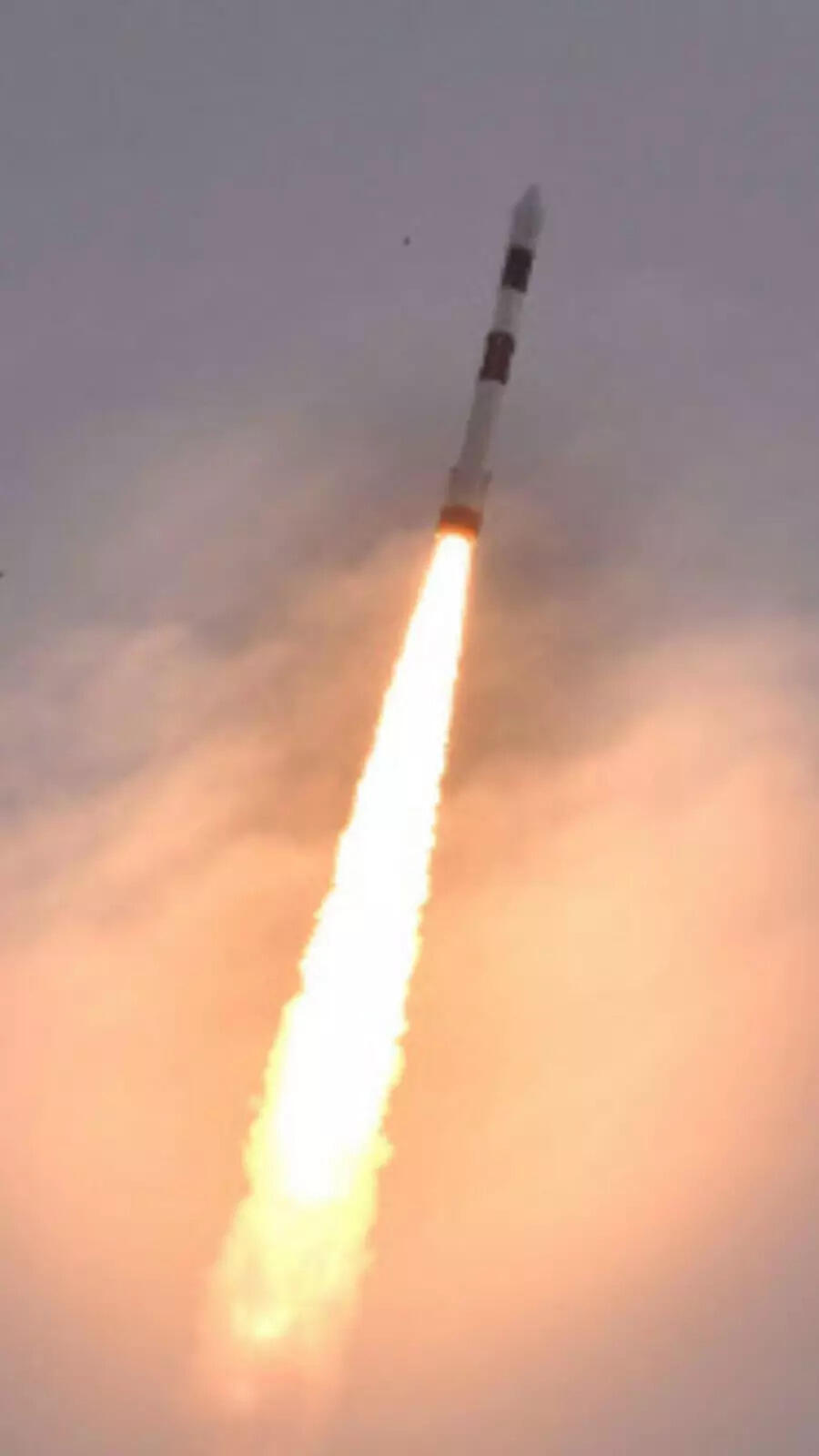
After the rocket injected all the satellites, its fourth stage was placed in a 300km low earth circular orbit using leftover propellants to ensure its reduced orbital life.
4/10 - DS-SAR to provide all-weather day and night coverage

This allows the DS-SAR to provide all-weather day and night coverage, and capable of imaging at 1m-resolution at full polarimetry.
5/10 - DS-SAR satellite, developed under a partnership between DSTA and ST Engineering
DS-SAR satellite, developed under a partnership between DSTA (representing the Government of Singapore) and ST Engineering.
6/10 - ST Engineering will use it for higher responsiveness imagery
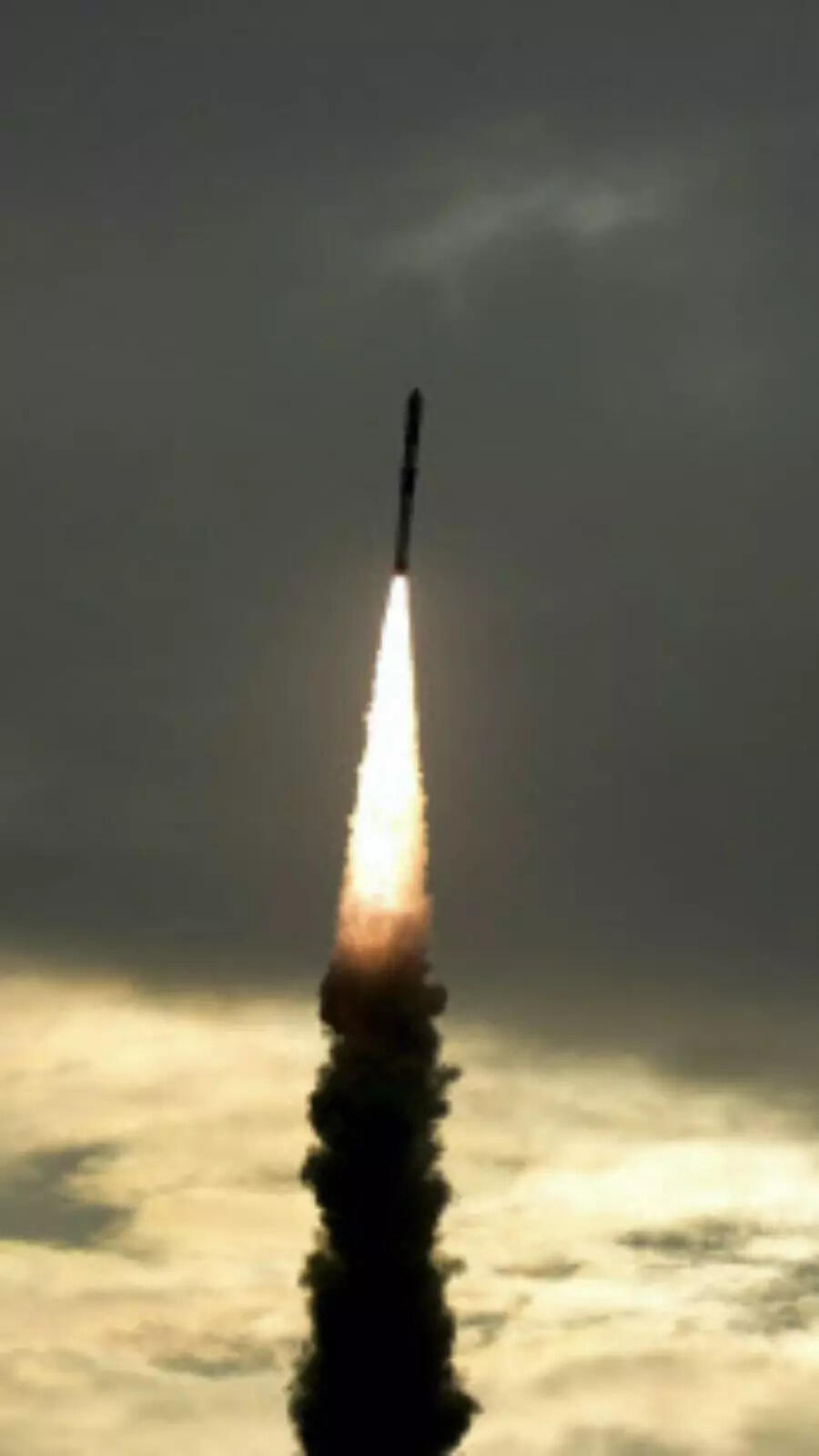
ST Engineering will use it for multi-modal and higher responsiveness imagery and geospatial services for their commercial customers.
7/10 - Satellite will be used to support the imagery requirements
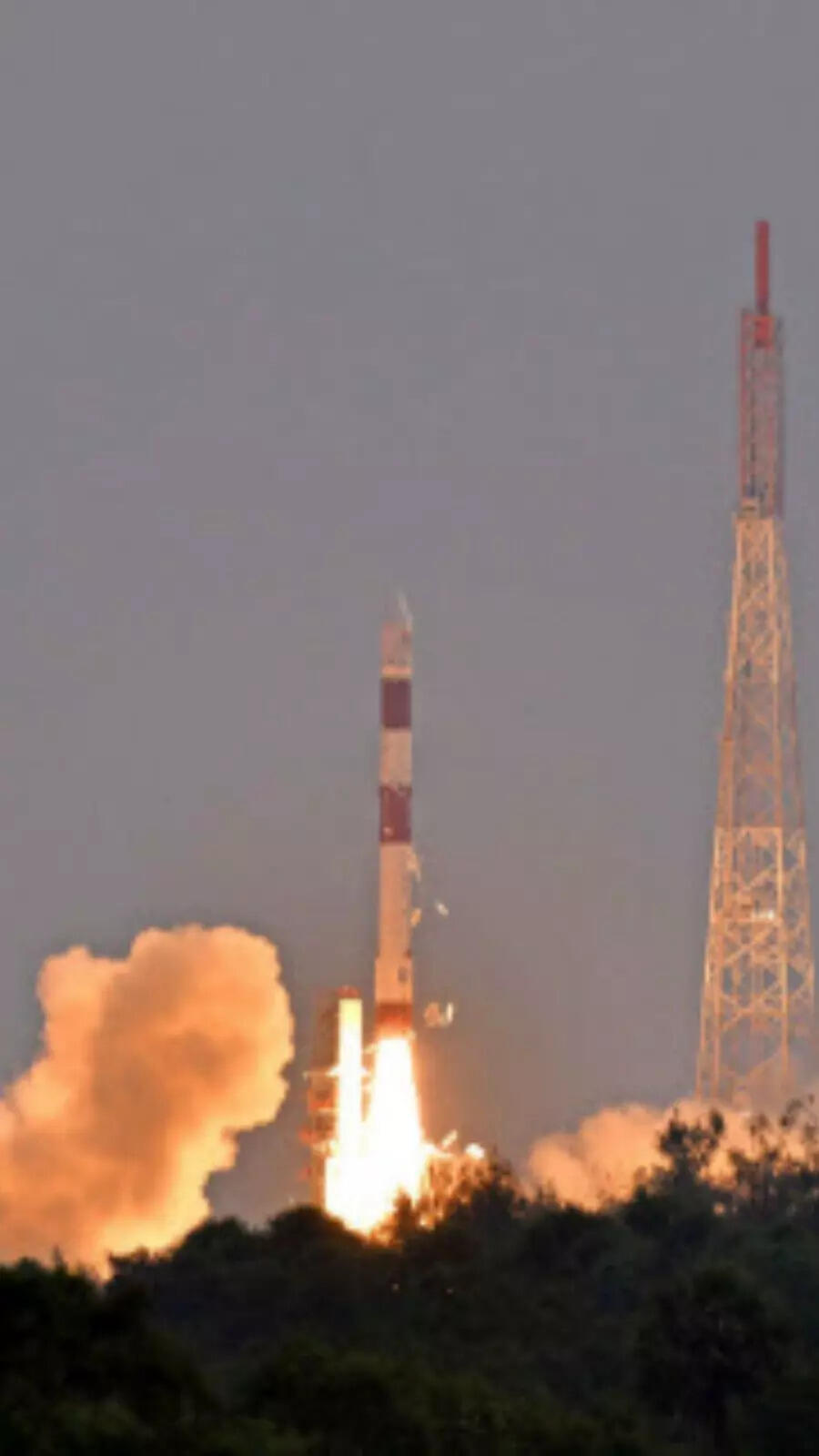
The satellite will be used to support the imagery requirements of various agencies of the Government of Singapore.
8/10 - Mission achieved a "very perfect orbit", says Isro chairman S Somanath
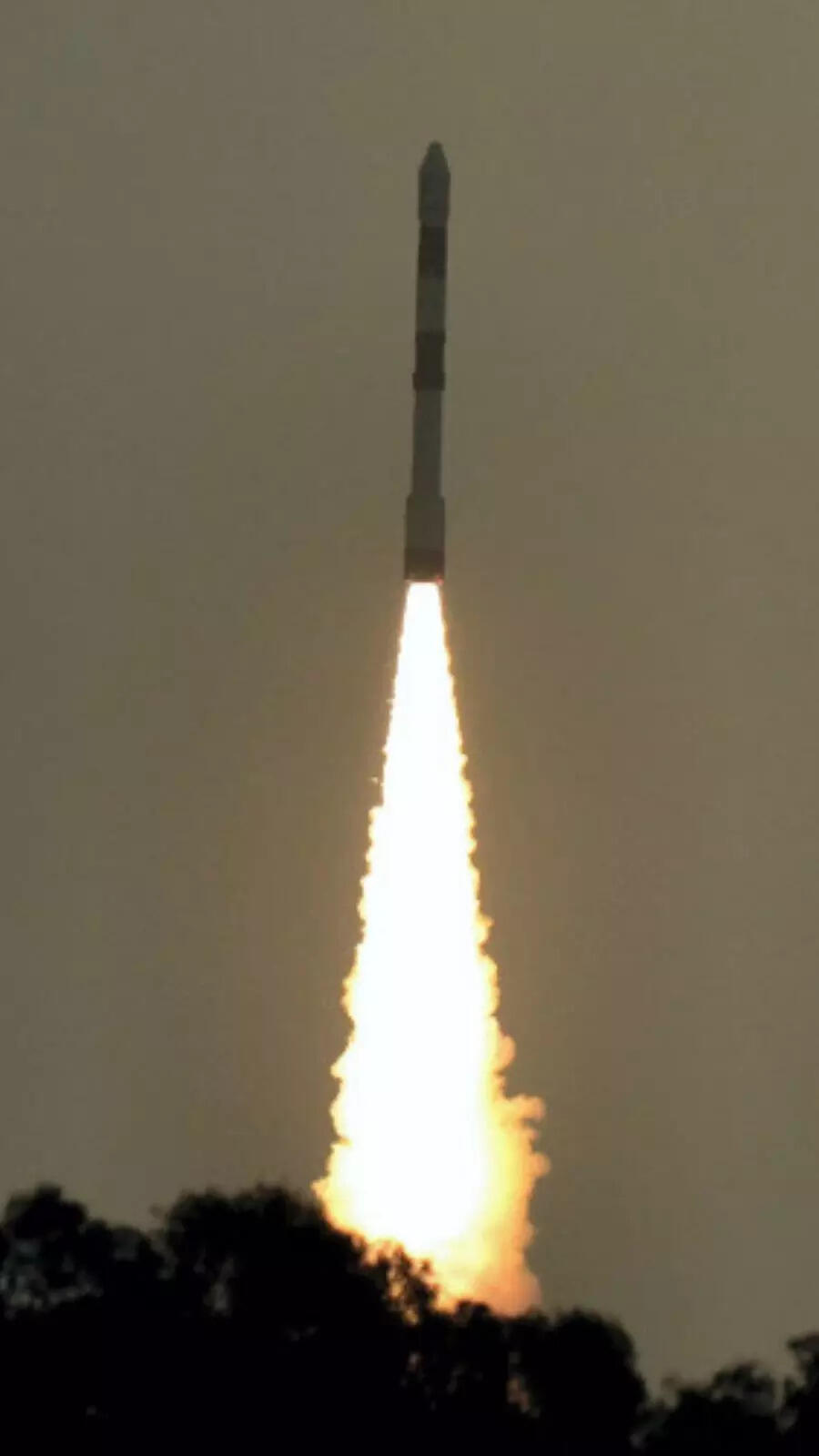
Isro chairman S Somanath said the mission achieved a "very perfect orbit" and in the next one and a half hours the PS4 (upper stage) will be moved into a 300 km orbit to give it a lower life span thereby mitigating space debris.
9/10 - Fully industry owned PSLV will be flown from early next year
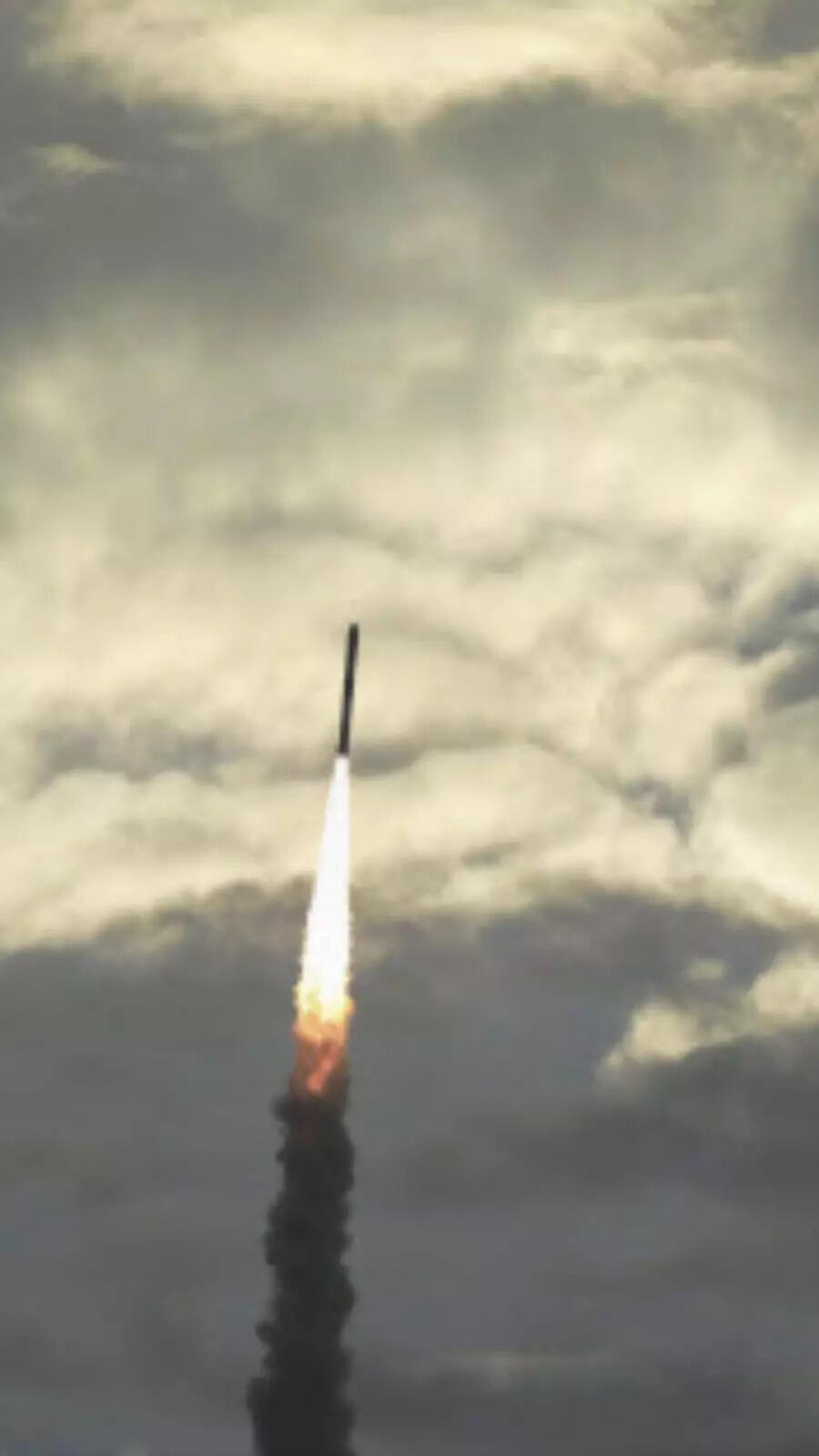
The Isro chairman also said that a fully industry owned PSLV will be flown from early next year.
10/10 - People gather to witness the launch of ISRO's PSLV-C56
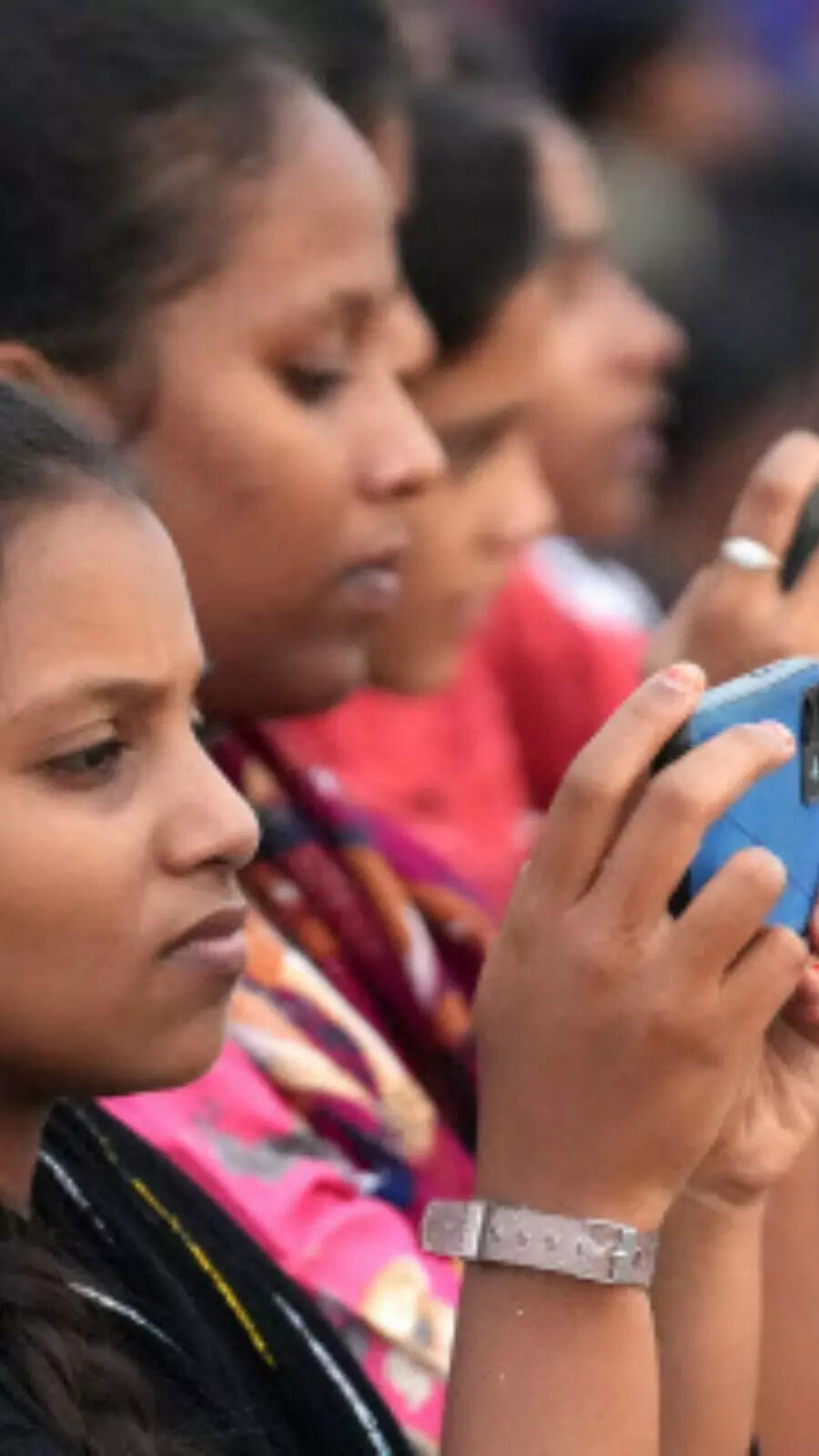
People gather to witness the launch of ISRO\'s PSLV-C56 carrying Singapore’s DS-SAR satellite along with 6 co-passenger satellites