
Get all your news in one place.
100's of premium titles.
One app.
Start reading
TechRadar
TechRadar
Silvia Iacovcich

ProtonVPN downloads spiked in 62 countries in 2025 — but with VPNs 'more important than ever' the countries responsible weren't all those you'd expect

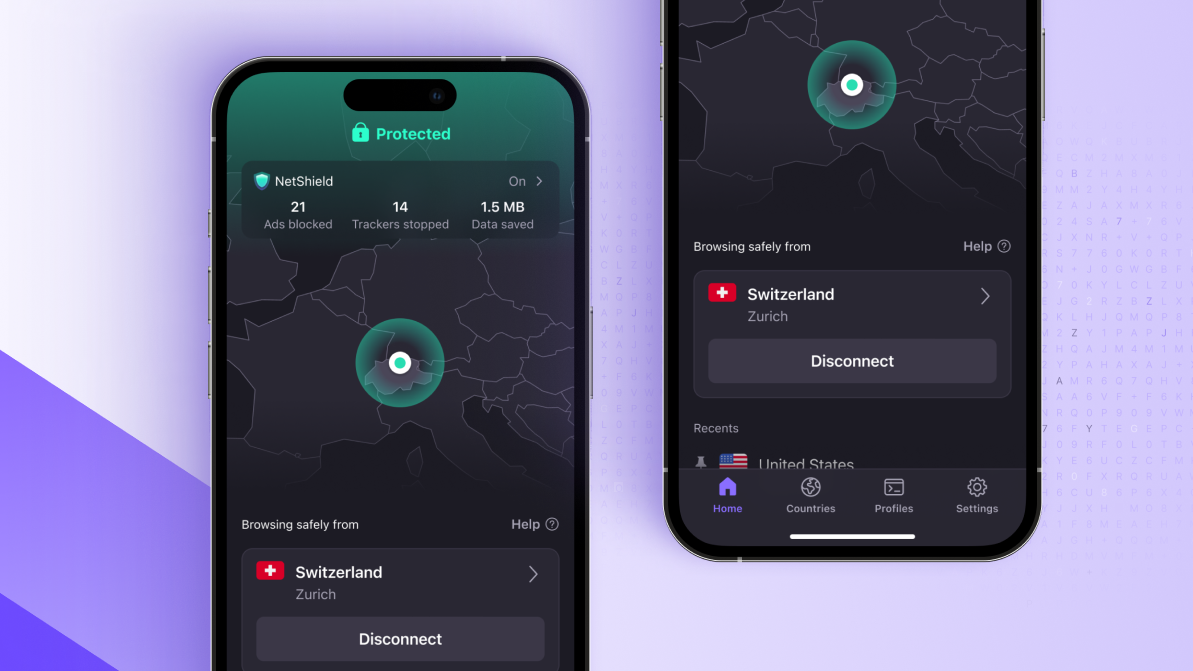
Proton VPN new mobile app interface – promo image.

VPN usage spiked massively worldwide in 2025 — according to Proton VPN's 2025 year end report.

The report found that in the past year, 62 countries have seen spikes in usage from one of the best VPNs. These spikes reached as high as 35,000% above the previous benchmark.

Surprisingly, peaks were not limited to repressive countries, where VPN downloads showed how quickly populations adapted to censorship.

The threat to digital privacy has also expanded elsewhere. Democratic countries have seen several spikes in line with new legislation such as age verification measures, amid growing concerns around surveillance and data protection.

The findings

“Populations under repression are becoming faster and more adept at circumventing restrictive measures,” David Peterson, General Manager of ProtonVPN, told TechRadar.

Indeed, the report shows that in many countries, sudden spikes in VPN activity were to bypass blocks introduced to control access to information.

When the general election in Tanzania in October led to a suspension of internet access, sign-ups for ProtonVPN rose by 2,000%.

In March, Papua New Guinea imposed an internet blackout, calling it a ‘trial’ aimed at combating disinformation. The result? A surge in VPN usage of over 14,000%.

Afghans reacted similarly when a 24-hour internet blackout was imposed, with ProtonVPN recording a staggering 35,000% surge in sign-ups.

The signup surge in Afghanistan was one of the largest seen by Proton VPN in recent times (Image credit: Proton)

The bigger picture

Elsewhere, however, the rise in cases was driven by concerns about surveillance and political positioning rather than by necessity.

In July, the UK’s Online Safety Act introduced age verification – requiring internet users to provide sensitive data to access certain websites. While people could have simply trusted the process, many turned to VPNs instead.

Sign-ups surged by over 1,200%. The move was fuelled by fears stemming from previous data breaches that disclosed information such as government-issued identity documents and biometric data.

Similarly, the US-China dispute over TikTok, which saw the platform temporarily cease US operations in January, led to a 520% increase.

It seems evident that ProtonVPN won over many users precisely when censorship and surveillance concerns intensified, and as digital awareness continues to rise.

“People increasingly see encryption and privacy as basic needs rather than luxuries, often taking proactive steps such as installing multiple VPNs in anticipation of blocks, bans, or political interference,” Peterson explains.

What the future holds

Looking ahead, Peterson expects more surveillance mandates disguised as security measures and more internet shutdowns in autocratic regimes.

“Some totalitarian countries, most notably Iran, have already taken extreme measures,” he notes.

He warns that globally, a fragmented internet is no longer theoretical. “A splinternet exists, with different rules, access, experiences depending on location, and global parity in innovation, human rights, freedom of expression and access to information has never been further apart.”

While digital resilience is growing worldwide, threats to online freedom and privacy are not likely to disappear any time soon. “This makes tools like VPNs more critical than ever,” he concludes.

Sign up to read this article
Read news from 100's of titles, curated specifically for you.
Already a member? Sign in here
Related Stories
Top stories on inkl right now
One subscription that gives you access to news from hundreds of sites
Already a member? Sign in here
Our Picks
Fourteen days free
Download the app
One app. One membership.
100+ trusted global sources.







