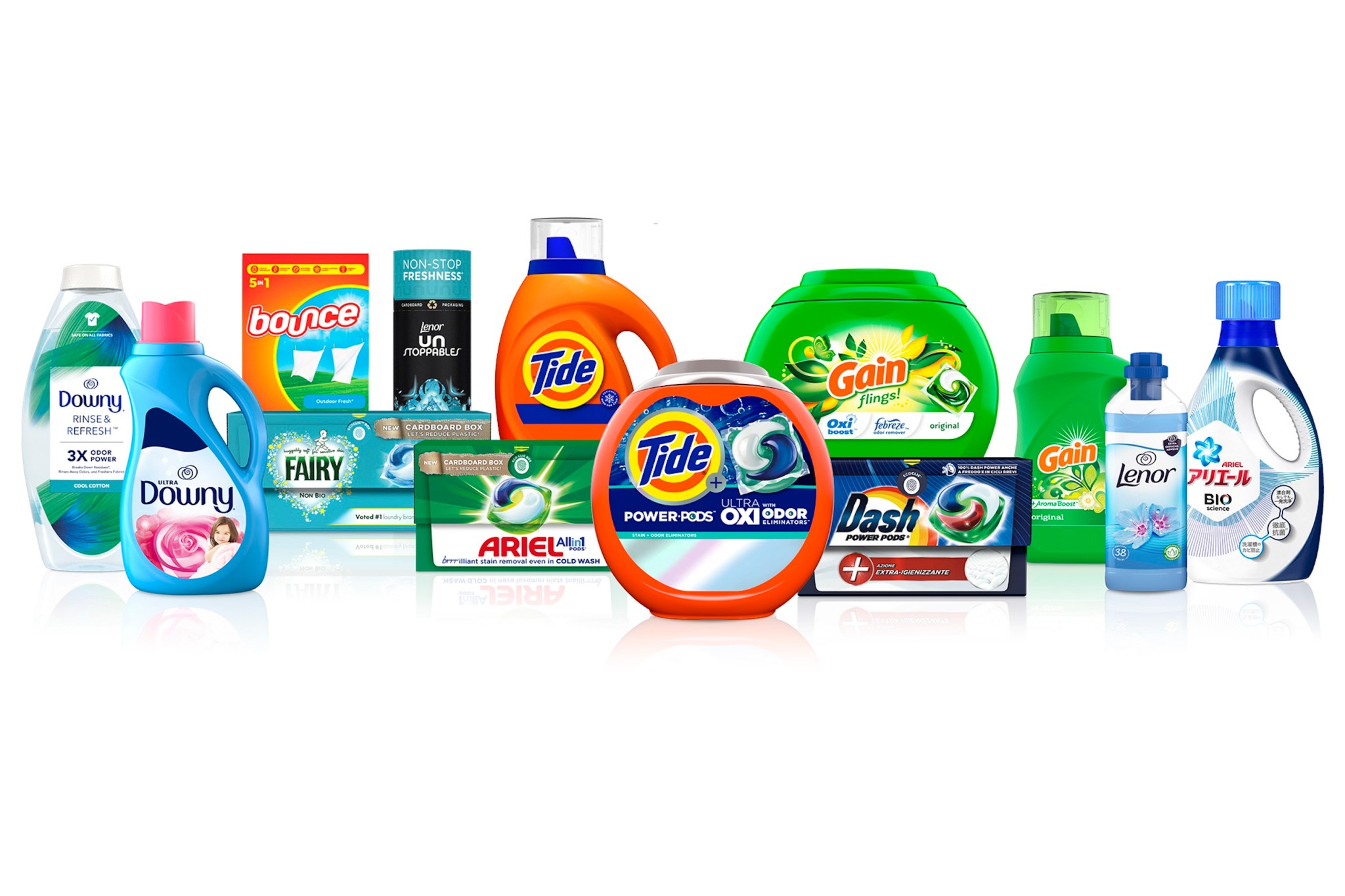
Good morning. For nearly two centuries, Procter & Gamble, home of Dawn dish soap, Tide detergent, Pampers diapers, and Gillette razors, has sold consumers the same basic promise: its products are worth a premium. The pitch has always been that better performance justifies a higher price.
However, after years of cumulative inflation, consumers are more price-sensitive, more willing to compare, and less reflexively loyal. Against that backdrop, P&G’s message is evolving.

“I don’t think we’ve lost pricing power,” P&G CFO Andre Schulten said on the company’s fiscal third-quarter earnings call on Friday. “I think pricing power has to be earned—and the way to earn it is to combine pricing with a truly delightful experience for the consumer.”
For the past few years, large consumer goods companies were able to push through price increases with limited resistance. That window is narrowing. From tariffs to commodities, costs are still rising, but consumers are no longer absorbing those increases as easily. The result is more of a balancing act: How do you protect margins without pushing shoppers away?
P&G, No. 51 on the Fortune 500, is emphasizing innovation over across-the-board price hikes. “Consumers respond well if we give them a truly better proposition in the categories we are in because they see there is upside,” said Schulten, who led the earnings call discussion and handled analyst questions.
That looks different depending on the product. For Tide, P&G recently introduced what it described as the biggest formula upgrade in 25 years, holding the price steady while improving performance. The result was mid-teens growth in one of its largest U.S. businesses, Schulten said. For other brands, that could mean two options for consumers: “either pick the innovation with a bit of pricing and the promise of better performance, or stick with what they know,” he said.
P&G’s results suggest the approach is working, so far. For the quarter, the company reported net sales of $21.2 billion, a 7% increase versus the prior year and well above Wall Street’s estimate of roughly $20.5 billion. Organic sales grew more than 3%, with gains across all 10 product categories and in every global region. Adjusted EPS of $1.59 topped the analyst consensus of $1.56.
But beneath the headline numbers, Schulten was candid about the tension P&G faces. Tariffs, higher commodity costs, and increased investments are expected to create a roughly $0.25-per-share headwind, pushing full-year EPS toward the lower end of its flat-to-4% growth guidance range. That cost pressure, he noted, is affecting the entire consumer goods sector. Schulten also warned that surging oil prices tied to the Middle East conflict are expected to create a roughly $150 million after-tax earnings hit in the fiscal fourth quarter and could balloon to about a $1 billion annual headwind in fiscal 2027.
The broader bet for P&G is that the fundamentals haven’t changed: trust, once earned through product performance, still translates into pricing power. But consumers now decide that one purchase at a time.
Sheryl Estrada
sheryl.estrada@fortune.com