Get all your news in one place.
100’s of premium titles.
One app.
Start reading
Homes & Gardens
Homes & Gardens
Tenielle Jordison

Pro Gardeners Reveal the 5 Seed-Starting Rules they Actually Skip – and You Can Too

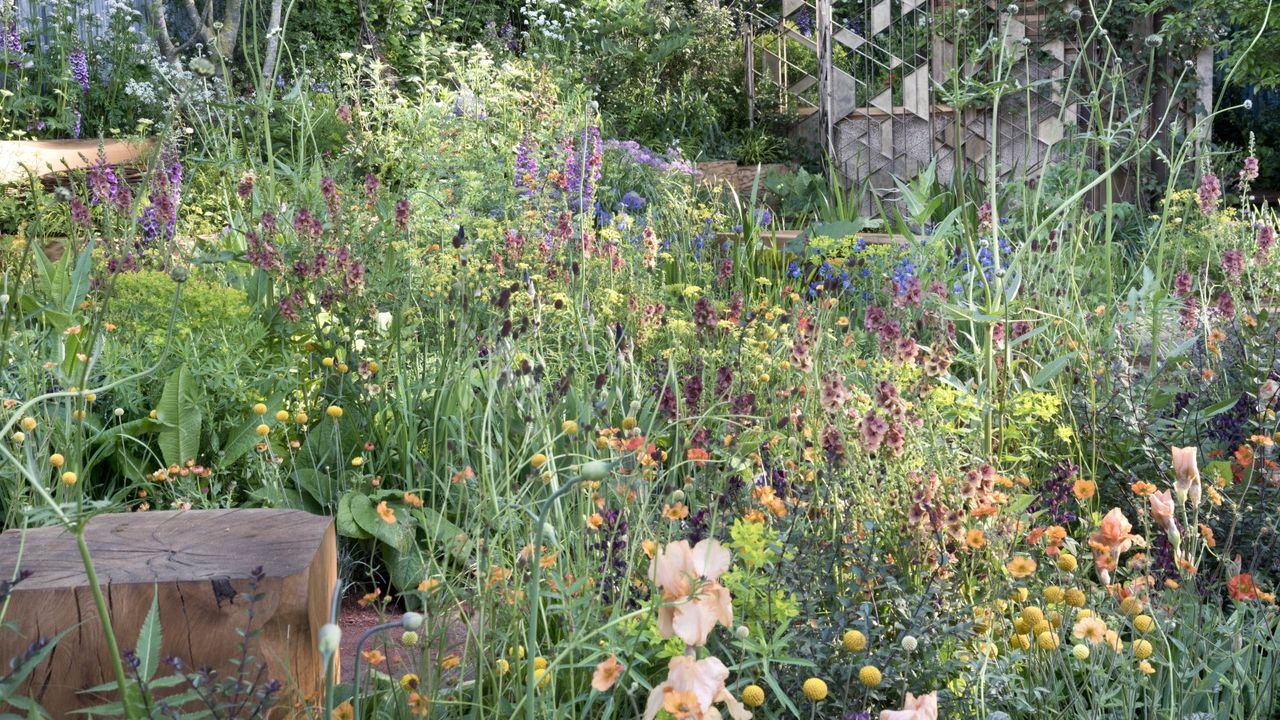
A summer flower bed filled with peach, orange, and purple flowers in bloom.

February often marks the start of indoor seed sowing season, getting a head start on a wide range of plants for spring. With so much to plant this month, it can feel like a pretty stressful task to get it all done. But, there are actually several seed starting rules you can break and ignore, according to pro gardeners.

If you've spent hours researching how to sow seeds indoors, you may have come across an overwhelming amount of rules to follow, threatening that your seeds will fail if you don't meet every single one. But, the experts say this simply isn't true.

From using alternative seed trays to sowing more seeds than recommended, here the experts share five seed starting rules you can actually ignore (at least to some extent). They promise your seeds will still germinate and grow into strong, healthy plants.

Starting seeds in February gives many plants a head start (Image credit: Getty Images/Elena Medoks)

5 Seed Starting Rules You Can Break

Bear in mind that skipping seed starting rules shouldn't translate to making seed sowing mistakes. You should always keep in mind what your seeds need to germinate and grow successfully, and prioritize these requirements.

With that being said, the experts share why you can get away with ignoring the below rules (at least most of the time).

1. Plant One Seed Per Cell

Seed trays are specially designed with drainage holes and sufficient space for root growth (Image credit: Getty Images/Cahya Dyazin)

Lots of seed packets may recommend to sow one seed per cell, and for good reason.

This ensures the seedling will have sufficient room for strong root growth and early seedling growth. However, this does risk a reduced number of plants if some seeds don't germinate.

'Sowing multiple seeds per cell can ensure germination,' says Amanda Webb, Head Gardener at Windy Hill Farm.

'However, be prepared to thin seedlings to prevent crowding and nutrient competition,' she adds.

Depending on the size of your seeds, you can sow 2-3 per standard seed tray cell (like this seed tray from Burpee), separating them as the seedlings grow bigger and need more room.

Our guide to separating seedlings safely can help you do this successfully without damaging them.

2. Fertilize Seedlings When They Have True Leaves

'True leaves' are the leaves that appear after the first seed leaves (Image credit: Getty Images/paladin13 )

It's common advice to fertilize seedlings once they have the first set of true leaves. It's generally recommended because it provide a boost of essential plant nutrients and aids robust root system growth as the seedlings develop.

'Fertilizers are not always necessary to grow strong, healthy plants,' says Amanda. 'Seeds are naturally equipped with everything they need to start growing.

'Instead, prioritize a high-quality growing medium to promote germination and root development. You'll avoid fertilizer burn this way, too,' she advises.

This seed starting potting mix from Amazon is a great choice, packed with nutrients to support seedling growth for longer.

But, it can still be a good idea to fertilize seedlings as nutrients and energy deplete over time. This is especially true if you notice your seedlings' growth has drastically slowed down or come to a halt.

If you do choose to fertilize seedlings, you should use a a weaker dosage to avoid fertilizer burn. For example, you can dilute this liquid plant food from Walmart.

3. Always Use a Seed Tray

You can get creative and recycle lots of cartons as seed trays (Image credit: twomeows via Getty Images)

While seed trays are undoubtedly useful (especially reusable seed trays, like this from Burpee), you don't have to invest in them if you have materials lying around for a DIY seed tray.

'Honestly, you can use almost anything as a container for starting seeds,' says Jonathan Weekley, Horticulturist, and Co-founder of Daily Elements.

'Practically, you’re going to want to use a container that is appropriate for the size of the plant you are growing and that will be manageable during transplanting,' he adds.

You can use anything from egg cartons, to toilet rolls, and nursery pots. Key elements include sufficient size and drainage holes to aid moisture management.

'Keep in mind that the smaller the individual cell, the faster you’ll have to transplant. For more robust plants that need more indoor time, opt for larger cells,' Jonathan advises.

4. Heat Mats Are a Must

You can even use a seedling heat mat for houseplant propagation (Image credit: Inna Pylypchuk / iStock / Getty Images Plus / Getty Images)

When you first get into growing plants from seed, there's no doubt you'll come across a whole range of indoor growing systems to shop.

Seedling heat mats (like these from Walmart), for example, are a great tool to provide some extra warmth and speed up germination. However, they are not always an essential.

'Heat mats are used to help speed up germination for warm-season crops that require warmer temperatures to grow. You’re basically tricking the seed into thinking it’s time to grow,' Jonathan explains.

'This can be useful for plants that need a head start since they have a long growing cycle, but it isn't always needed,' he adds.

Plenty of seeds will germinate at a sufficient rate when simply growing on a sunny windowsill. Likewise, cool-season plants actually require lower soil temperatures to trigger germination, so a heat mat isn't necessary.

If you're sowing seeds in a challenging indoor environment that is both cooler and dark, consider pairing a heat mat with a grow light (like this from Amazon) for better results.

5. Harden Off All Seedlings

The most tender seedlings benefit hugely from gradual acclimating (Image credit: Alamy/Laurie MacBride )

Hardening off seedlings is the process of gradually acclimating young plants grown indoors to the colder outdoor conditions. It's a preventative measure to stop shock and stress when you transplant them into the garden.

But, Jonathan says it isn't always necessary and should only be done in certain circumstances.

'Hardening off seedlings largely depends on your indoor growing conditions, outdoor growing conditions, and the plant itself.

'If your indoor growing conditions are fairly similar to their outdoor environment (such as if you've started seeds in an unheated greenhouse) it's an easier transition for the plant,' he explains.

Jonathan notes for many plants, they can only be planted out after frost, in which case temperature may not be a concern, though gradual exposure to sun and wind is still often beneficial.

However, you should always take into account the needs of your specific plants and your US hardiness zone to determine how well your seedlings will adjust.

FAQs

What's the Biggest Seed Starting Mistake?

According to garden experts, the biggest seed starting mistake is starting seeds too early. Inadequate conditions (like light and temperature) can hinder germination and seedling growth. It can also leave you with tall seedlings that need planting out before outdoor conditions are ready.


Alongside these seed starting rules you can break, there are also several seeds you shouldn't start in February and can delay planting. With this clarified, your early spring gardening checklist should be a little lighter.

Seed Starting Essentials

Sign up to read this article
Read news from 100’s of titles, curated specifically for you.
Already a member? Sign in here
Related Stories
Top stories on inkl right now
One subscription that gives you access to news from hundreds of sites
Already a member? Sign in here
Our Picks
Fourteen days free
Download the app
One app. One membership.
100+ trusted global sources.