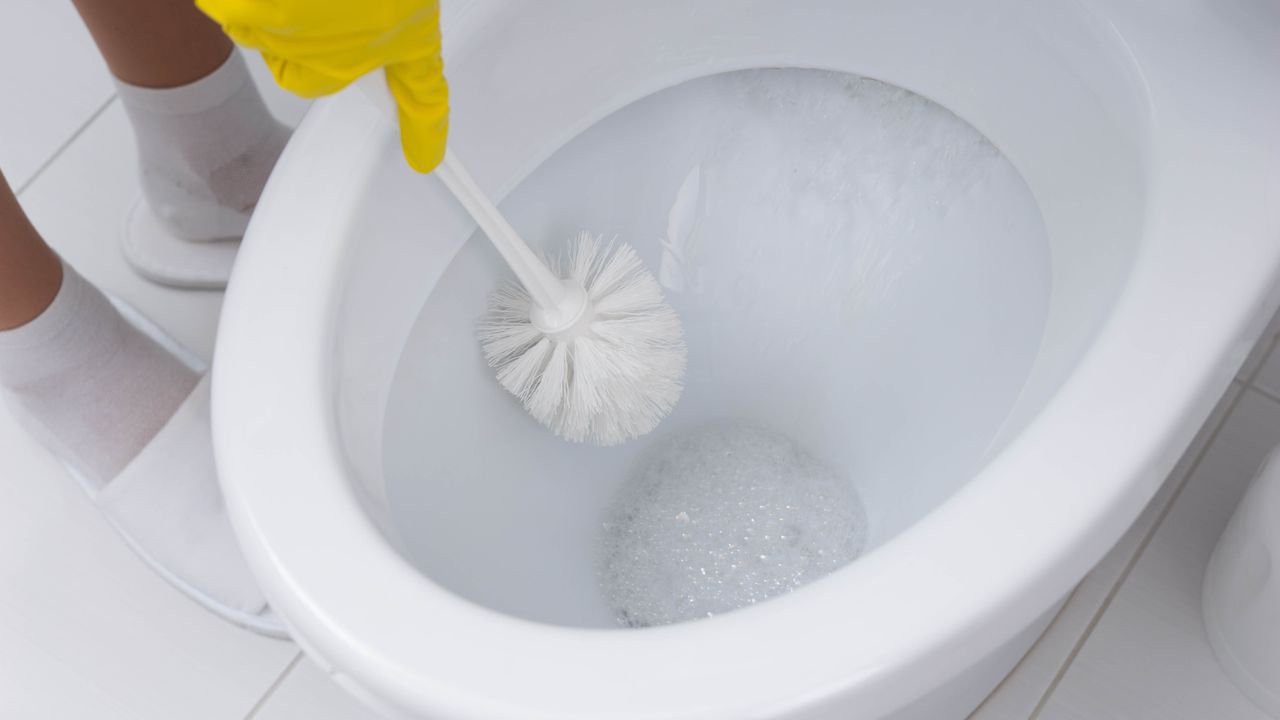
It's totally understandable to be nervous around bleach when cleaning. After all, it's a strong chemical that can cause damage if used incorrectly. Unfortunately, it's far too easy to make mistakes when using bleach.
And while I tend to stick to using it in the toilet because of, well, bleach fear, pro cleaner @edgecleaningwa on TikTok, has revealed it's actually great for cleaning, as long as you use it the right way.
Here are the five common mistakes that, if you avoid, you'll find you achieve much better results and a much cleaner home. And then, there are even 7 things you never knew you could clean with bleach that you can tackle outside of the usual places you'd use it with your newfound confidence.
Five common mistakes people make when using bleach
Pro cleaner @edgecleaningwa is regularly uploading cleaning tips from bathroom cleaning hacks to getting the most out of your dishwasher tablets.
And recently, he's explained that if you avoid these common mistakes when cleaning with bleach, it can do a lot of the hard work for you:
1. Never mix it with other cleaning solutions
You should never mix bleach with cleaning solutions because you run a dangerous risk of causing a chemical reaction that could cause damage to your home, and even more importantly, you.
As the CDC (Centers for Disease Control and Prevention) explains: "This can release vapors that may be very dangerous to breathe in." The only thing you should ever mix with bleach is water, and we'll jump more into that next.
2. Dilute it 1:16 with water before using it
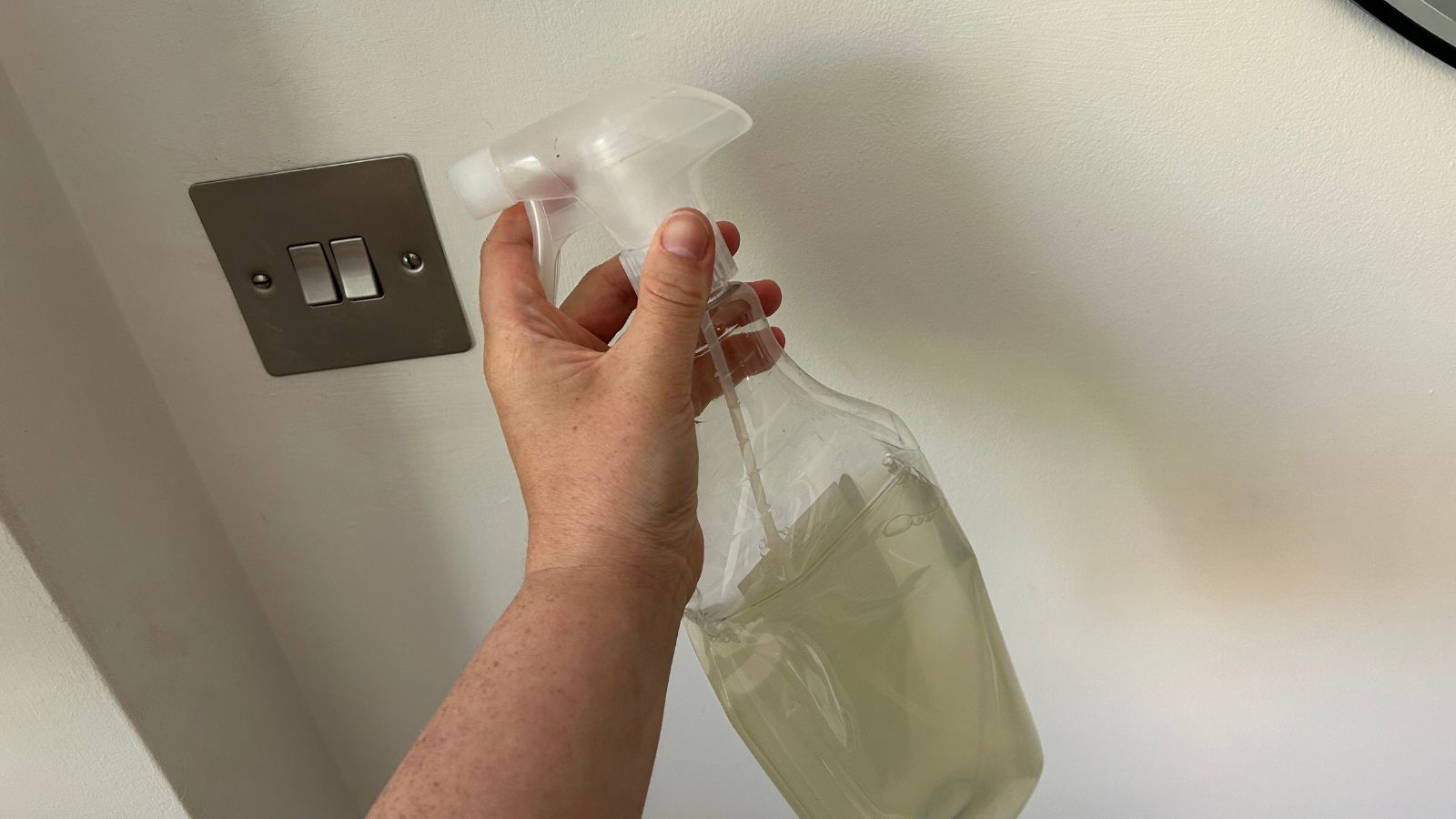
Undiluted bleach is a strong chemical solution which contains sodium hypochlorite. And while this is great for disinfecting, you want to dilute concentrated bleach to ensure it can be used safely.
For this, edgecleaning recommends a mixture of 1 part bleach dliuted with 16 parts water for the best results.
3. Use it only on non-porous surfaces
Sounds simple enough, but what actually is a non-porous surface? As Clorox explains: "Do not use [bleach] on aluminum, chipped or cracked enamel, copper, brass, silver or unsealed wood, marble, tile or granite."
Instead: "Surfaces like sealed granite, glazed tile, painted wood, plastic, vinyl, stainless steel, and porcelain can be easily and safely treated."
4. Avoid surfaces like stone or metal
In the same way you shouldn't use bleach on porous surfaces, stone and metal are two surfaces that'll become damaged, discolored and weakened by use (and overuse) of bleach.
It strips away the protective layer and minerals of these materials and, over time, can cause cracking, chips, and a brittleness that is hard to come back from.
5. Always rinse after using it
While bleach is great at cleaning, removing stains and dirt and grime, it shouldn't be left on the surface after use. There's several reasons for this from not wanting to make contact with your skin and eyes, avoiding chemical reactions with other cleaning products you use afterwards, and leaving it on the surface to erode.
Whenever I use bleach in my toilet, I let it sit for a bit before flushing it away. If you left it in the toilet when you went to sit down next, you could cause harm to your skin and nobody wants that.

Follow Tom's Guide on Google News and add us as a preferred source to get our up-to-date news, analysis, and reviews in your feeds.