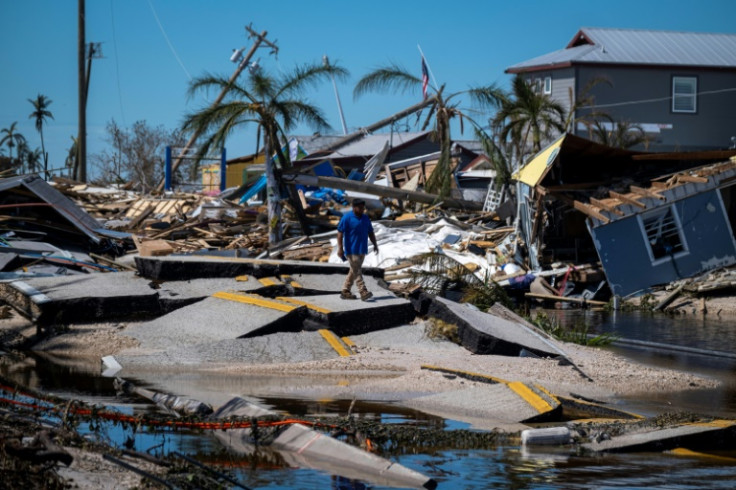
As extreme weather events and natural disasters become more frequent worldwide, households in at-risk areas are increasingly recognizing the importance of financial preparedness. While insurance is often viewed as the primary safeguard, experts emphasize that thorough preparation goes well beyond just having adequate coverage. It requires organizing essential documents, ensuring quick access to cash, and making strategic investments to lessen the financial burden of these emergencies.
But preparedness is one thing, says Lisa Berdie, director of policy and research at the Financial Health Network. It calls for "proactive action to mitigate further climate-related financial risks." She continues to say that catastrophic and smaller chronic stressors like extreme heat can be critical determinants of financial health for families. She advises preparing by weatherizing homes and eliminating potential hazards related to health-exacerbating climate events, which would include mold and poor air quality.