Is there an exception to the 5th Amendment's promise that government cannot take private property without "just compensation"? The Supreme Court declined to address that question this past Monday when it rejected a trio of petitions asking the justices to consider whether people should be compensated when law enforcement seizes or destroys their property.
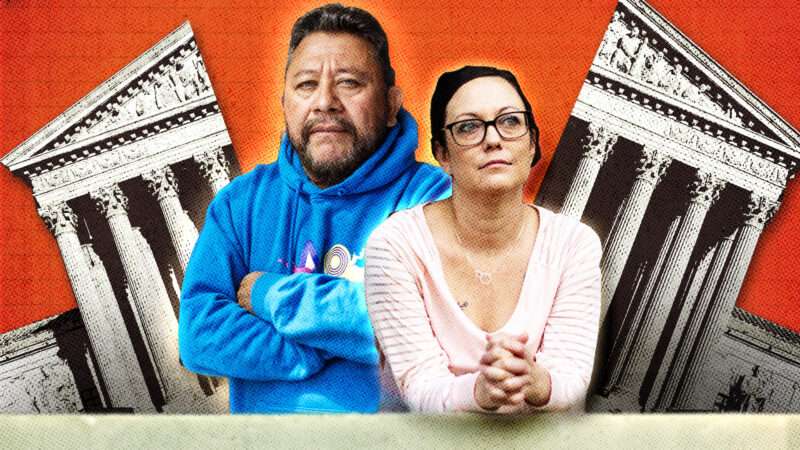
Two of the cases concerned individuals who were not accused of a crime but whose property nevertheless became collateral damage as police pursued a suspect. In June 2022, police fired 30 tear gas canisters into Amy Hadley's home in South Bend, Indiana. Officers smashed windows, tore down security cameras, ransacked furniture, ripped down a panel and a fan, and punched holes in the walls as they searched for a fugitive named John Parnell Thomas, who had never been there. The police had erroneously concluded that Thomas accessed the internet via the IP address at Hadley's home. According to Hadley, the police caused at least $16,000 in damages, which insurance only partially covered.