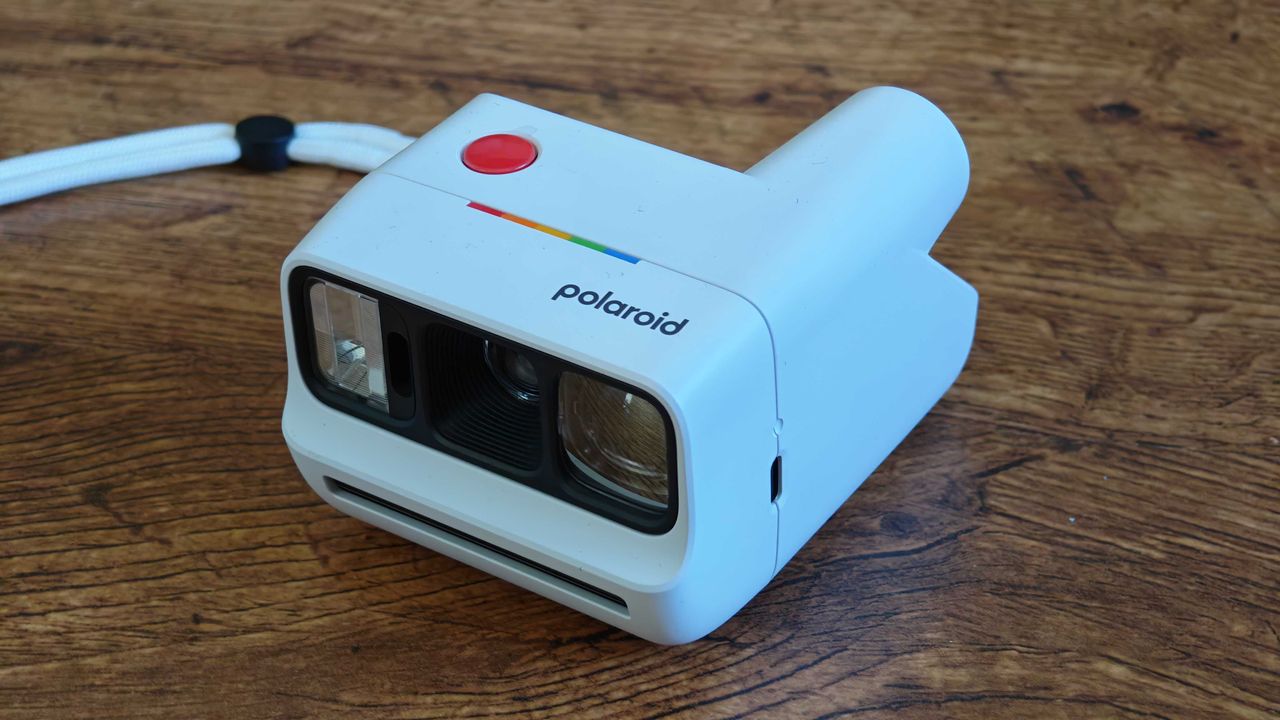
I've long been an advocate for adding an instant camera to your life. In the modern age, where all of us are so infested with digital products, taking a fully analogue image and watching it develop in front of your eyes offers a bout of therapeutic respite.
For me, the Polaroid Go (Gen 2) has been the main camera I've used over the past could of years. It's dinky size and (relatively) low-cost film made it the perfect companion to take with me wherever I wandered.
So, you can imagine my excitement when a few weeks ago, the new Gen 3 version was unveiled. On the face of it, there wasn't too much difference – a new design and a few tweaks, but overall a gentle revision rather than a sweeping change. But to find out for sure, I've been testing it for a few days.
Polaroid Go (Gen 3): Price and Availability
The Polaroid Go (Gen 3) retails for £79.99 / €89.99 / US$89.99 / AU$159.99. It can be purchased directly from the Polaroid website, as well as from third-party retailers like Amazon, Argos and Wex Photo Video.
Polaroid Go (Gen 3): Features and What's New
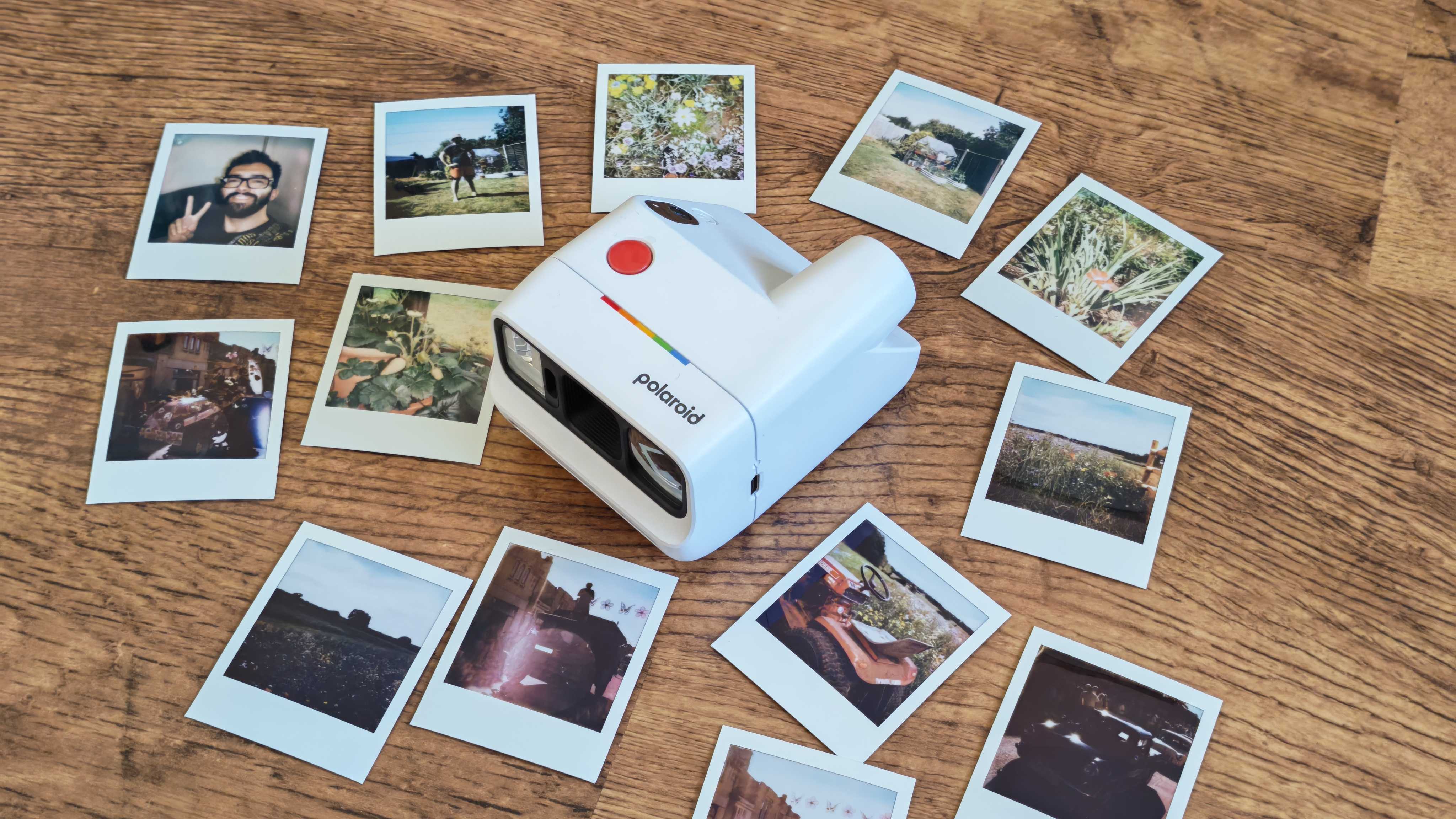
As mentioned at the top of the page, there are only a handful of differences in this new model. The main difference you'll spot right off the bat is the fresh new look, which feels delightfully 70s in its design.
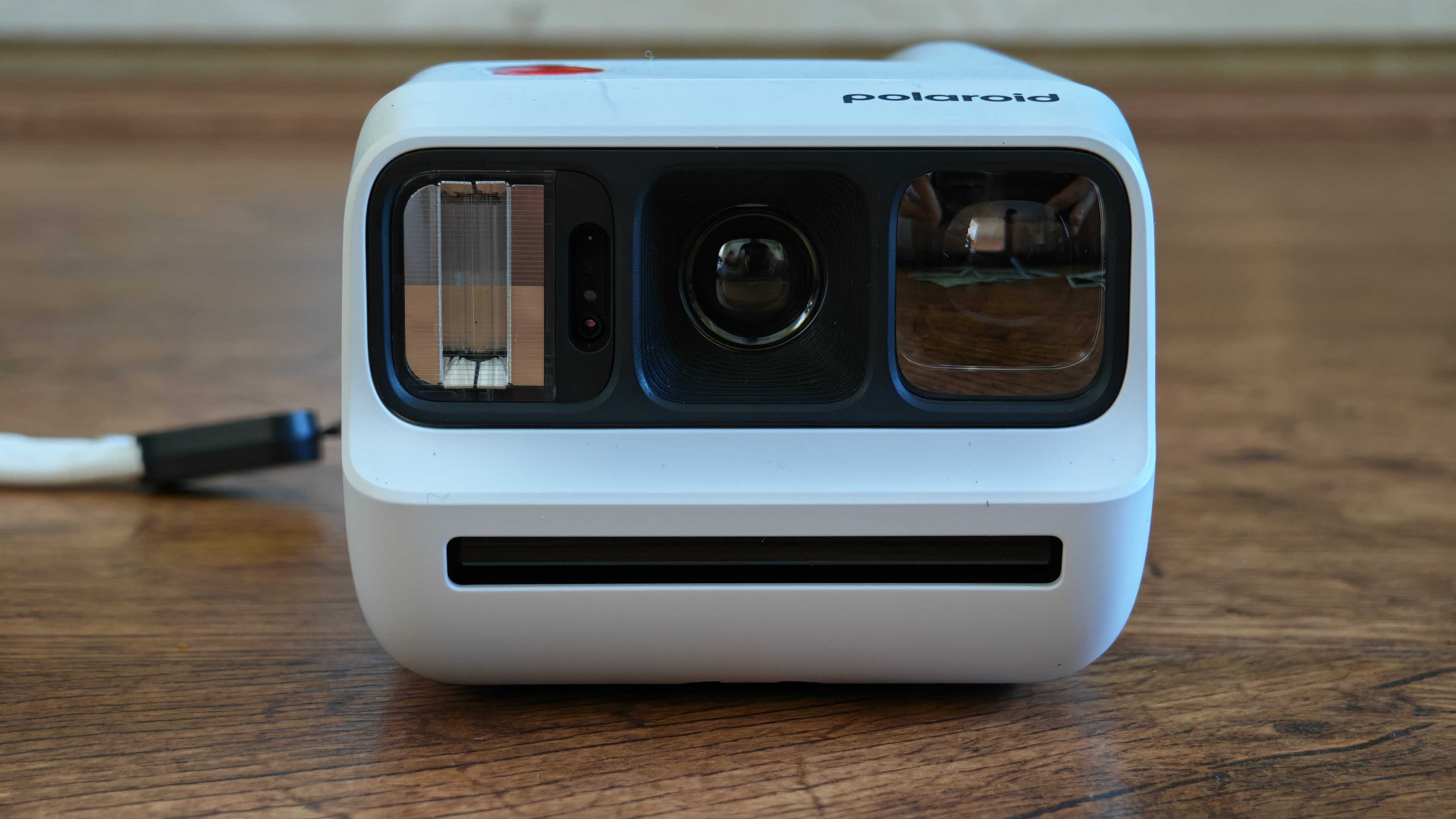
There's also a stronger flash, while a reworked lens is cropped tighter for more "zoomed-in" selfies. The other change which I haven't seen mentioned elsewhere is the design of the lens surround. It's much deeper than on the previous model, which should help to minimise light flares and reflections.
Polaroid Go (Gen 3): Performance
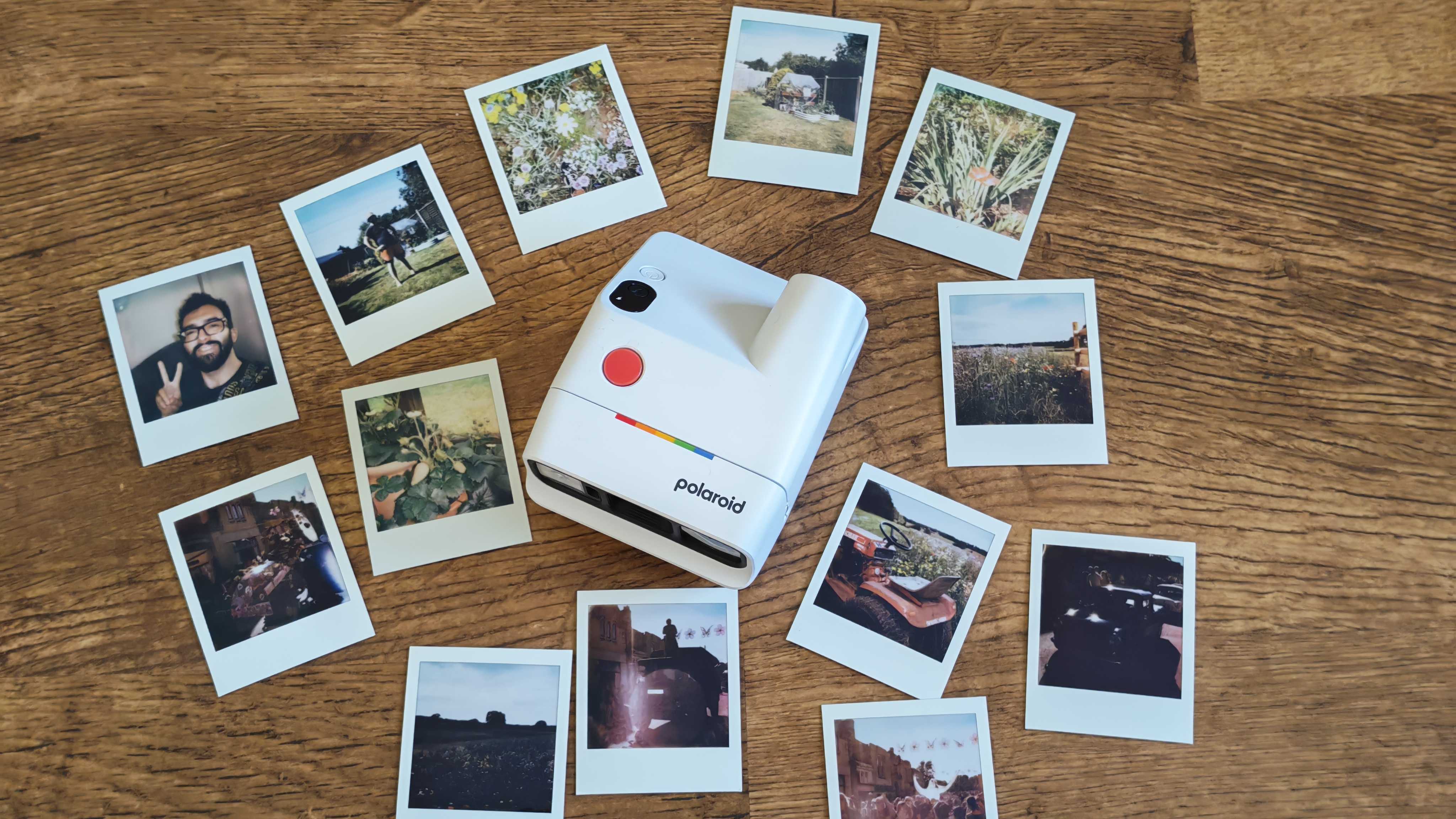
As someone who uses the older Polaroid Go on a near-daily basis, I was desperately hoping that this new model wouldn't be worth the upgrade. Sadly – and from pretty much the first shot – it became clear that the improvements made to the lens make this a night and day difference.
Images aren't just sharper or tighter – the flare control means contrast is better and that plays into nicer colours and sharper looking results. I actually did a quick A/B test with my older Gen 2 model and the difference is marked.

I'm also a big fan of the new focal length. The difference doesn't look like much on paper, but in practice it's a significant change which just feels more homely. I'd say it's like the difference between 28mm and 35mm on a full frame camera – noting that I have no idea what the actual equivalent focal lengths are – with each simply needing a little compositional intention to get the most from them.
It's not perfect, of course. I tested a couple of shots with the sun lighting the back of a subject, which is still a step too far for the internal light meter to work with. And this feels like the perfect time to press Polaroid to make a more capable Polaroid Go camera – one with controls over things like aperture and shutter speed, to improve the creative control on offer.
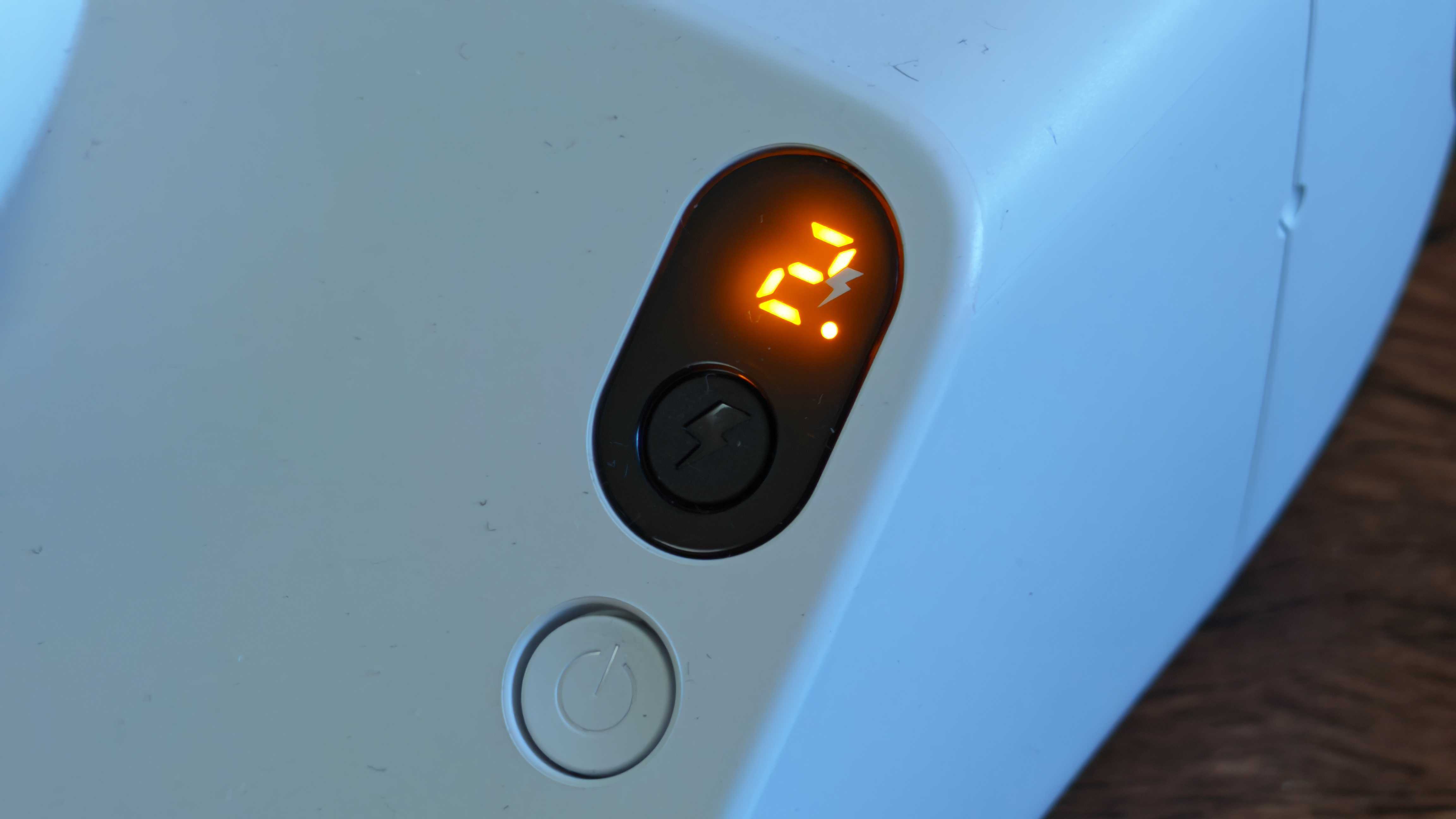
My only real gripe with this camera is that it's noticeably slower to turn on than the previous generation. In fact, the first time I used it, I had to double check that it wasn't broken, as the start-up function takes a longer hold of the power button and then flashes what looks like an error code until it kicks into life.
It's a peculiar change, and one I'm hoping is either an issue with my unit or with the early firmware. If not, it makes it a lot harder to quickly snap those fleeting moments, which is a big part of what I love about this camera.
Polaroid Go (Gen 3): Verdict
Overall, I think the Polaroid Go (Gen 3) is an obvious choice for anyone coming to instant cameras for the first time. I love the smaller form factor, and the revisions here make it better without jacking the price up unnecessarily.
If you already own the older Gen 2 model, it's a slightly tougher decision. Having used the camera for a while, though, I do think it's worth the upgrade if you're serious about extracting the most potential from the Polaroid Go film. At this price, it's not too hard to justify, and should make a formidable companion for daily shooting.