
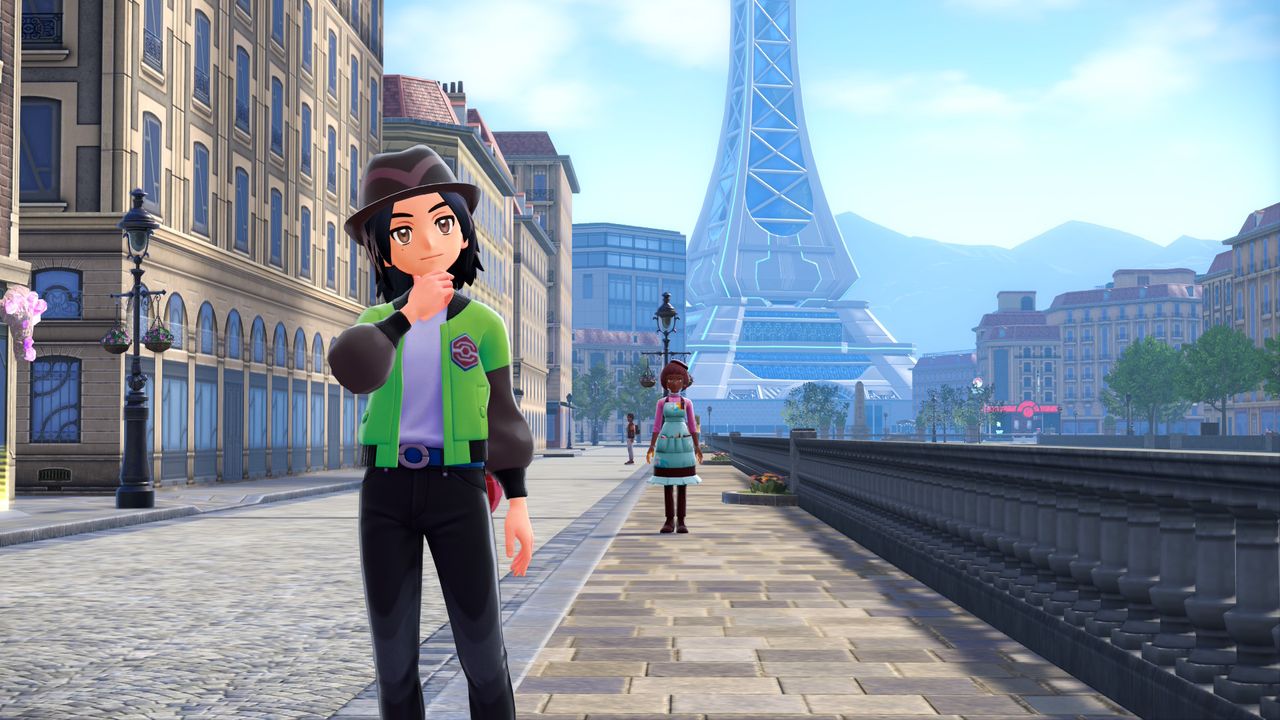
There's a lot to like about Pokemon Legends: Z-A. Everyone's (rightfully) praising how its battles are unlike anything we've seen before in the franchise, for example, but so far I've been taken aback by the creative team's – led by first-time director Haruka Tochigi – commitment to making the Pokemon world a more believable place. It's just a shame about the actual execution of Lumiose City.
The moment it was chosen as the one-and-only setting of the game, the familiar location offered a perfect opportunity. In an age when the vast majority of open world games try to create (or recreate) entire regions to get lost in, the prospect of being limited to a PS2-era-sized map was enticing. This also has historically led to less fragmented and more cohesive game worlds that are easier to learn and fall in love with. You'll often hear me praise Assassin's Creed's lovingly rendered period pieces (Shadows' take on 16th-century Japan has been no exception), but there's a good reason why we normally bring up older cities shaped by the technical constraints of distant generations – such as Oblivion's dense towns – as the best in video games.