
Get all your news in one place.
100’s of premium titles.
One app.
Start reading
Woman & Home
Woman & Home
Lifestyle
Emily Smith

Don't pour Baileys down the sink this Christmas – not just because it's delicious, but it could end up costing you money

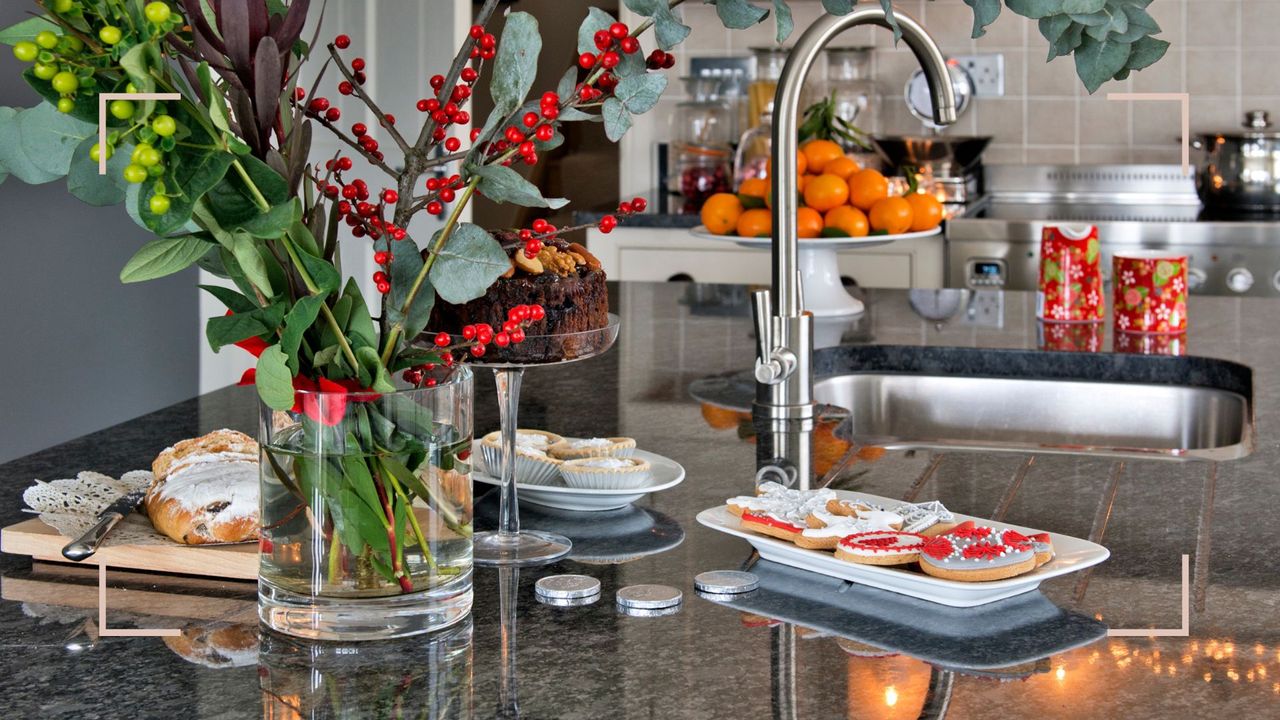
Christmas kitchen with a sink on the middle of the marble island.

Christmas is a time when we typically find ourselves surrounded by an excess of food and drink, often the richest, creamiest and most indulgent, which can be a recipe for disaster when it comes to kitchen maintenance.

Despite being some of the tastiest produce we eat all year round, sadly, the best Christmas food often constitutes the most likely things you should never put down the drain for fear of causing blockages.

While you may know how to clean a sink properly, unclogging a drain is a very different story. Especially when the blockage is caused by our favourite oily Christmas food going down the plug hole and ruining the pipes.

Christmas food and drinks you should avoid pouring down the drain

You may think you know all the essential tips for cleaning a kitchen, but it's all too easy to discard food or grease down the sink for a quick cleaning.

Along with the beloved Baileys, there are a few other common foods and liquids you shouldn't be dumping in your sink, as a team of plumbers explains why.

1. Baileys

(Image credit: Future)

It wouldn't be Christmas without being gifted a bottle of Baileys or enjoying it mixed with your favourite seasonal hot drink. It's as festive as our most loved Christmas decoration ideas.

So much so, you might be left with a surplus of the stuff when the festive season comes to an end and you can't bear another drop of the drink. Naturally, your next step might be to pour it down the sink and recycle the bottle, but that's not how it should be done.

"This sort of beverage should never be disposed of in this way. Cream liqueurs have a large fat content and, as such, fall into the category of FOG (Fats, Oils, and Greases). FOG should never go down the sink, as it sticks to pipes and can cause blockages. It’s also what’s responsible for “fatbergs” in our sewers," says expert plumber from MyBuilder.com, Mike Flook.

2. Leftover turkey fat

(Image credit: Future)

You might think the only task you'll have after cooking is to clean your oven racks but the actual grease from your food will need to be discarded properly before you start cleaning.

Mike explains, "As with Baileys, turkey fat is classed as FOG. Half the population admit to pouring FOG down the drain, but don’t be one of them. The problem with pouring leftover fat down the drain is it will cool, which can lead to blockages and fatbergs in your pipes."

If your pipes get blocked it'll certainly be a challenge trying to get an emergency call out. Mike points out that emergency callouts can be four times as expensive as a regular one, especially at Christmas.

3. Coffee grounds

(Image credit: Getty Images)

Owning one of the best coffee machines sure does come in handy when that festive season tiredness hits, but it's important you know how to dispose of the ground properly. Whilst your sink certainly isn't the spot for it there are many ways you can use coffee grounds in your garden.

"Coffee grounds may seem like an innocent item to wash down the sink, but actually, they are a prime candidate for clogging pipes. They can clump together in U-bends and cause a tricky blockage, especially if they get mixed up with other foodstuffs," says Mike.

Instead, take coffee grounds outside to mix with your soil, they're a great fertiliser and can massively improve your soil's health.

4. Vegetable peelings

(Image credit: Getty Images | Rarrarorro)

Even when preparing your meals, you need to consider what goes down the drain.

"Vegetable peelings can also result in a clogged drain," says Philip Hill of Leicestershire-based Servo-Rod via Yell. "Starch products like potato peel can turn into a thick paste and clog up your pipes after your Christmas dinner."

Rather than letting any peelings get rinsed down the drain, it's best to put any leftover peels into your homemade compost or regular bin.

Shop drain blocking solutions

Handy home hacks to unblock a drain

While prevention is key to avoiding a blockage in the first place, there are a few simple hacks you can do to unblock a clogged drain safely and without risking any damage to your pipes, as Philip Hill of Leicestershire-based Servo-Rod explains...

  • efficientBoiling water: "Boiling water is one of the simplest methods for any minor blockages in a drain. Simply boil a kettle or a large pot of water and carefully pour it down the drain slowly in two to three stages to let the water break down any debris and melt it away."
  • Baking soda & vinegar: Cleaning with baking soda is one of the most efficent ways to clean drains. "Pouring equal parts or half a cup of baking soda and half a cup of vinegar down the drain is perfect for breaking down fats, grease and debris such as rose petals. Leave the mixture to sit in the drain for about 30 minutes, and the fizzy reaction will help dislodge the clog. Once left to work its magic, flush down the drain with warm to hot water."
  • Enzyme drain cleaners: "Enzyme drain cleaners are a safe, eco-friendly option when it comes to dealing with stubborn blockages. Simply pour it into the blocked drain and let it sit for about 30 minutes before flushing with warm water. Avoid chemical drain cleaners as these can not only cause damage to your pipes but are also harmful to the environment."
  • Plunger: "Sometimes, old-fashioned methods work the best when unclogging a drain. Take your plunger and place it firmly over the drain, creating a tight seal between the plunger and the drain. Plunge up and down for about a minute at a time, and the pressure created will dislodge the clog and allow you to flush it and run water freely"

"Prevention is always better than the cure of calling out a plumber. Unblocking a pipe caused by pouring fat, grease or oil down the sink will cost between £80-£120, depending on how easy it is to access the pipe and whether any further damage has been caused," says Philip.

“If it’s oil or cream-based, then pour it into a sealable container and dispose of it in your general waste. When washing greasy pots, add detergent and make sure you’re using the hottest water that your hands can tolerate, as this will help to stop the build-up of grease and mean that less goes down the plughole.”

Now you know what to avoid pouring down your sink, you can start preparing for the festivities ahead and try out some of our essential Christmas hosting tips.

Sign up to read this article
Read news from 100’s of titles, curated specifically for you.
Already a member? Sign in here
Related Stories
Top stories on inkl right now
One subscription that gives you access to news from hundreds of sites
Already a member? Sign in here
Our Picks
Fourteen days free
Download the app
One app. One membership.
100+ trusted global sources.