A new report by Bloomberg suggests that Sony is considering pushing the launch window for its next PlayStation console to 2028, with 2029 also on the table. To be clear, Sony hasn’t announced PlayStation 6, and there’s no official date or platform plan attached to the report.
The reasoning that’s being reported is related to higher demand for chips and memory, plus rising RAM costs that are making it impossible to calculate costs or availability of the components this early. If the decisions the report touches upon come to pass, it will be the first time in ages that Sony steps away from its seven-year console generation cycle.

A 2028 or 2029 shift would also line up with Sony’s recent words about the PlayStation 5’s lifespan. During Sony’s financial briefing, the CFO Lin Tao said:
Our view is that compared to conventional console lifecycles, looking at the PS4 lifecycle, it seems to be getting longer and longer. Especially the PS4, which was launched in 2013, and it’s been over a decade since then, but there are many active users enjoying the console, and they’re enjoying other consoles. So from that perspective, we believe that the PS5 is only in the middle of the journey, and we are really planning to expand it even further.
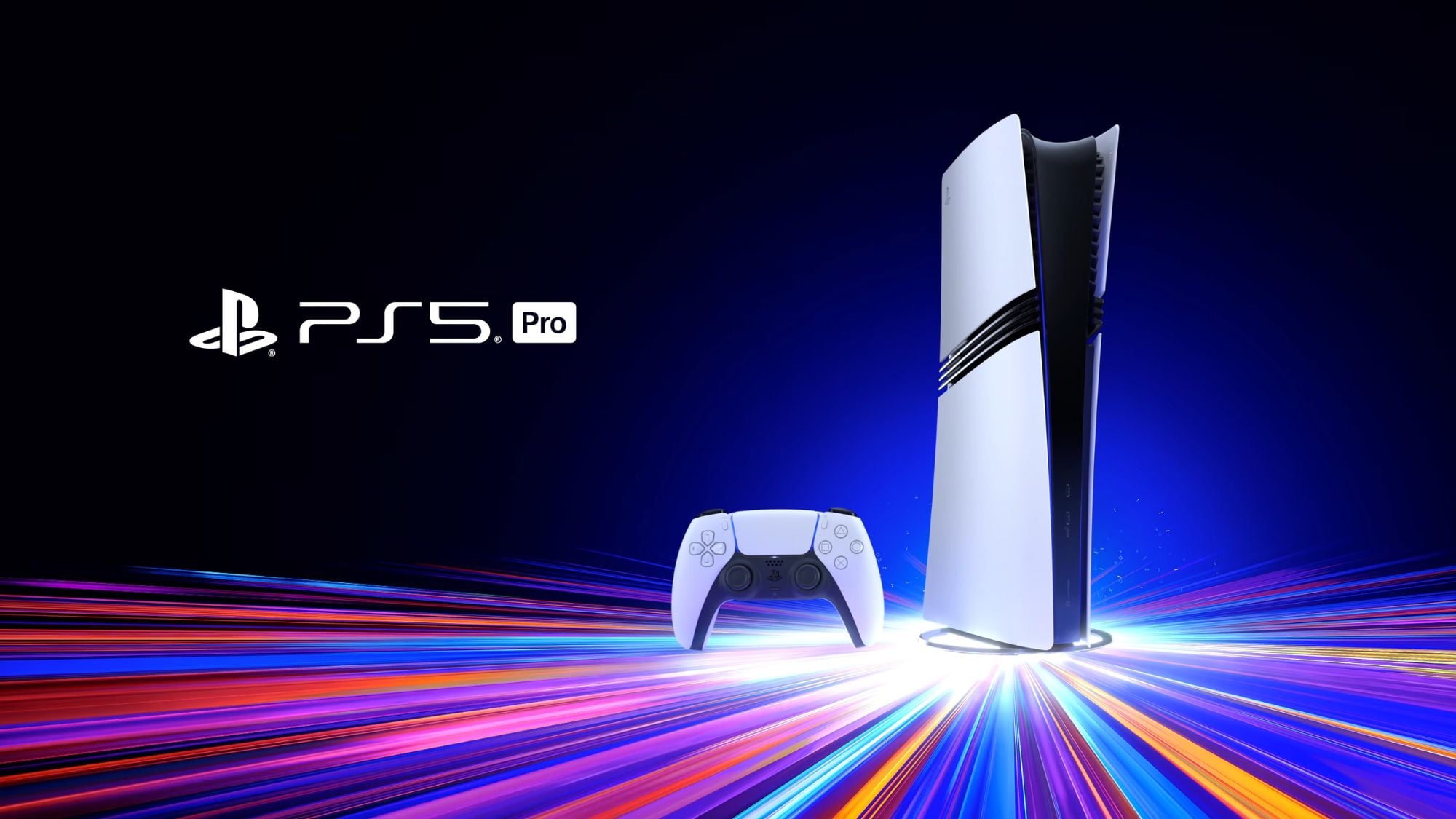
PlayStation 5 launched in November 2020, so a 2028 debut would make this an eight-year generation, and 2029 would push it to nine. Considering that no generational leap is expected, PS5 will most likely be supported further into PlayStation 6’s era, just like PlayStation 4 was. This means multigenerational games will be coming out for PS5 even after a decade since its release, with PlayStation 5 Pro serving the same middle ground between the generations.
On the other hand, it looks like Xbox’s next generation of console could be launching sooner than Sony’s, as Lisa Su claims that AMD is ready to support Microsoft with the 2027 launch.
It’s worth noting that PlayStation 5’s memory wasn’t supplied by one vendor, as all three major manufacturers, Micron, SK Hynix, and Samsung Electronics, provided the GDDR6 SDRAM that the console uses. Nowadays, all three are firmly in bed with AI companies, with Micron even completely pulling out from the consumer market to better supply the AI demand.
As it stands, Sony has not revealed any info about the planned 10th-generation console. We don’t know the specifications or even the approximate planned release date that existed between the company, as per the aforementioned report, started to consider delaying it.
With a memory shortage that’s not going away anytime soon, caused by the AI datacenters buying out RAM that hasn’t even been produced yet, it’s a great time for the developers to start optimizing their games better.