
Get all your news in one place.
100's of premium titles.
One app.
Start reading
The Economic Times
The Economic Times
Team Global

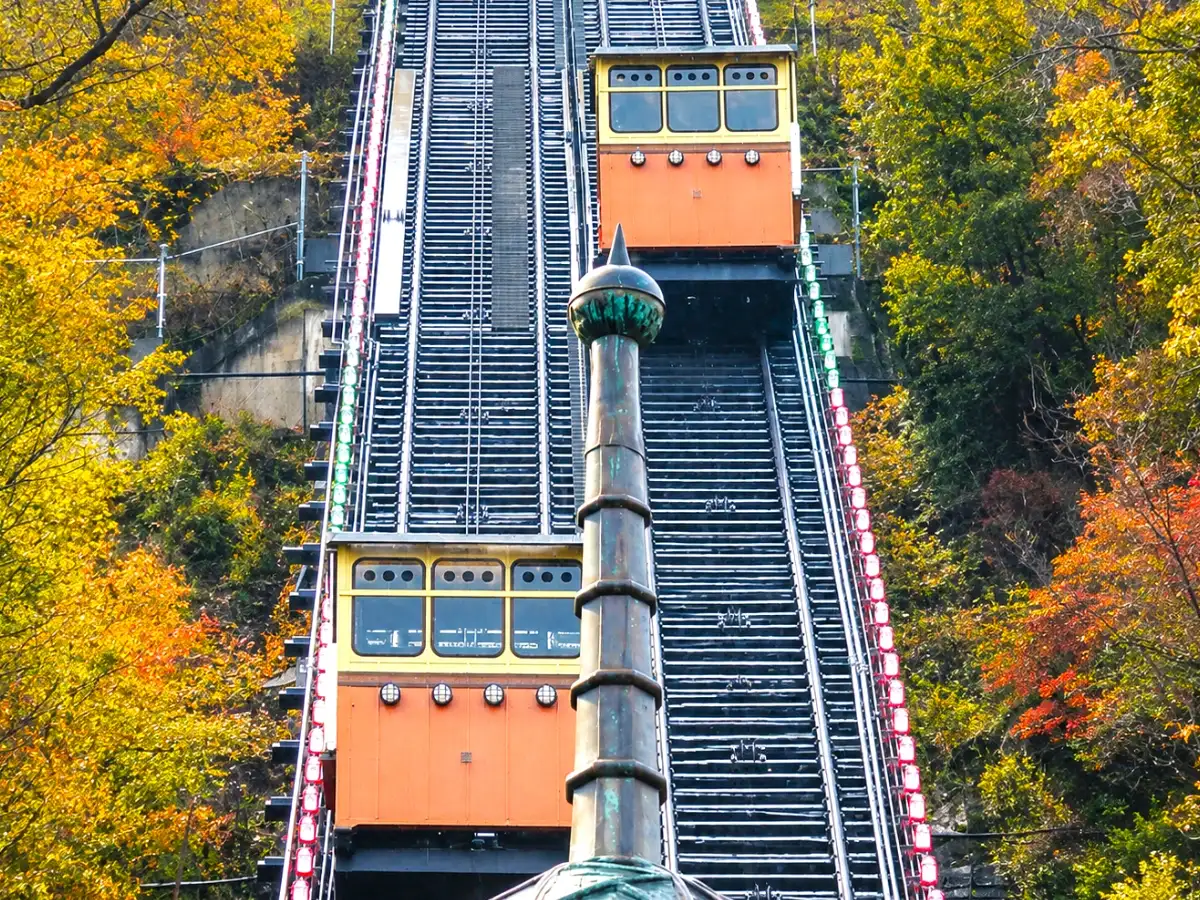
Pittsburgh’s Monongahela Incline has carried riders up Mount Washington since 1870 and still operates as part of the city’s regular transit network

Most people think of public transit as buses, subways, and trains. What Pittsburgh has is more unusual: a small cable car that goes straight up a hillside, carrying office workers and tourists in the same seat, every single day. It’s the Monongahela Incline. It opened in 1870 and still runs today as part of the city’s regular transit network, not as a museum piece for people to look at.

That difference is important. A study published in the Journal of Heritage Tourism, by researchers Abhishek Bhati, Josephine Pryce, and Taha Chaiechi, looked at how industrial railway heritage attractions evolve from working transport lines into visitor attractions, and what factors help them succeed as heritage tourism sites. The Monongahela Incline is a working example of that idea.

A ride with a view

The incline itself is a short ride. The track climbs up the side of Mount Washington for some 635 feet, and the ride takes only a couple of minutes. But that short climb offers a wide skyline view of Pittsburgh. Below you, the Monongahela and Allegheny Rivers merge to form the Ohio River at the western tip of downtown Pittsburgh, a spot locally known as "The Point." It’s the kind of view that people usually pay extra for. Here, it’s part of your regular transit fare.

A city that needed a lift

Pittsburgh was booming in the 1860s. The steel mills and factories drew thousands of workers, many of them German immigrants who had experience with cable-hauled railroads in their home country. The steel mills and factories drew thousands of workers, many of them German immigrants who had experience with cable-hauled railroads in their home country. The trouble was the land itself. Mount Washington rises steeply above the rivers, and workers who lived on top had no easy way down to the mills each day. The answer was a mechanical ramp, a rail car hauled up a steep grade by a cable. It was designed by engineer John J. Endres. The Monongahela Incline opened May 28, 1870, and is widely regarded as the oldest continuously operating funicular in the United States. Pittsburgh once had 17 of these inclines built on its hillsides. Only two are in operation today: the Monongahela Incline and its slightly younger neighbor, the Duquesne Incline.

Sign up to read this article
Read news from 100's of titles, curated specifically for you.
Already a member? Sign in here
Related Stories
Top stories on inkl right now
One subscription that gives you access to news from hundreds of sites
Already a member? Sign in here
Our Picks
Fourteen days free
Download the app
One app. One membership.
100+ trusted global sources.







