Pilates has always been one of those fitness practices that quietly delivers life-changing results. It doesn’t scream for attention the way high-intensity workouts do, and it doesn’t promise overnight transformation. Instead, it builds something more valuable: strength that feels balanced, flexibility that supports everyday movement, posture that improves over time, and a calmer relationship with your body.
And right now, Pilates at home is having a real moment.
More people are choosing home-based Pilates not as a temporary alternative to the studio — but as a sustainable, long-term lifestyle routine. It’s accessible, low-impact, and surprisingly effective. It also fits modern schedules: you can do it before work, after dinner, or even during a midday reset without commuting or reorganising your entire day.
The best part? You don’t need a full studio to feel studio-level benefits. With a few smart essentials — and the right mindset — you can build an at-home Pilates setup that supports real progress and keeps you consistent.
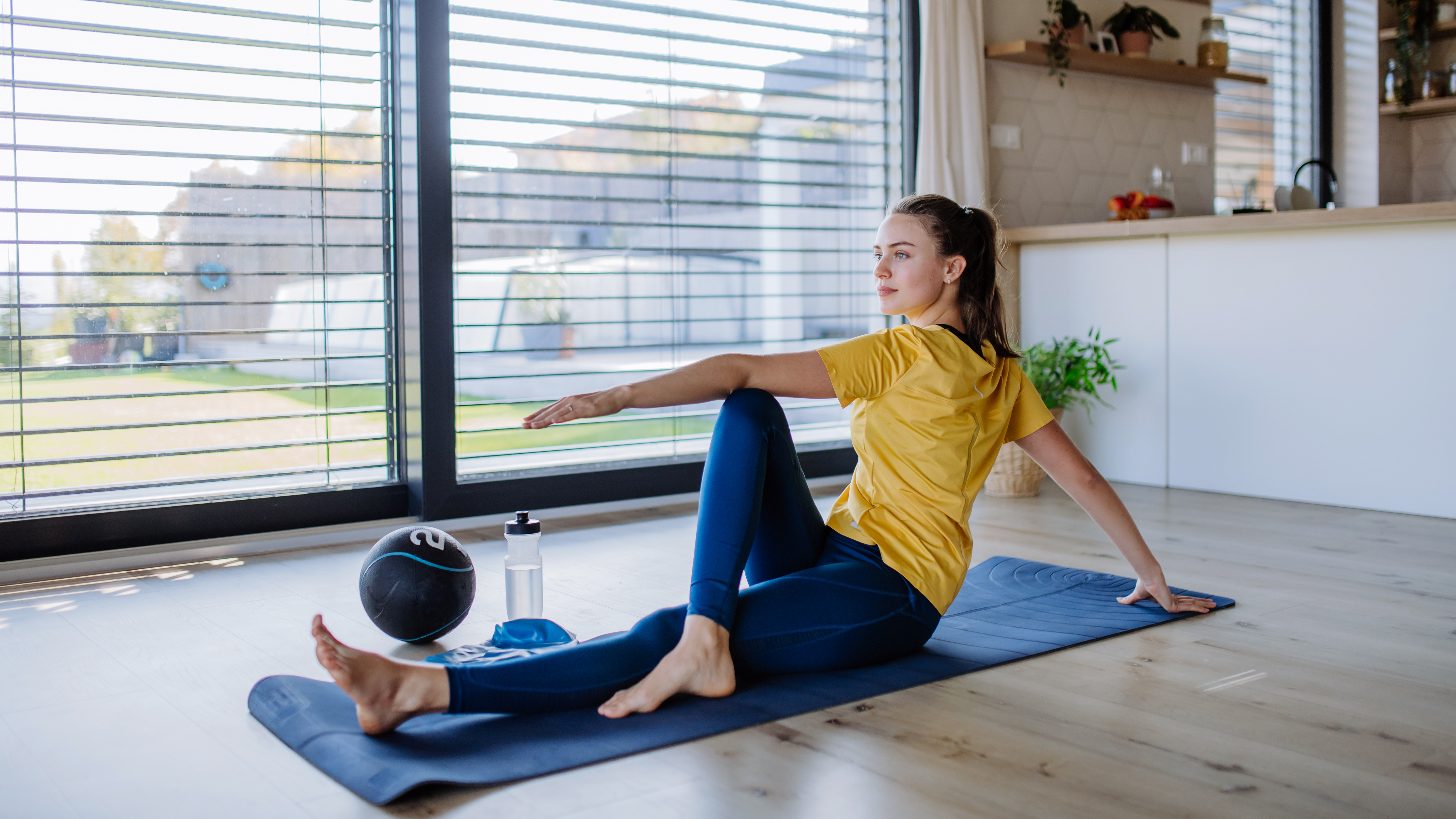
Below is a practical guide to creating a Pilates space at home that feels elevated, functional, and motivating — without turning your living room into a gym.
Why Home Pilates Is Rising (and Why It’s Sticking)
The shift toward home fitness is not new — but Pilates has emerged as one of the most consistent and lasting at-home practices for a reason.
Pilates is popular at home because it:
- works in small spaces
- requires minimal equipment to start
- builds strength without joint stress
- improves posture and mobility
- supports stress relief through breath and control
- adapts to every fitness level
- fits into busy routines
Unlike workouts that demand high energy or long recovery, Pilates supports consistency — and consistency is what drives results.
The Benefits That Make Pilates Worth Investing In
Pilates isn’t only about aesthetics. It’s about how your body feels.
A consistent Pilates routine supports:
- stronger core and back muscles
- improved posture and alignment
- better hip mobility and flexibility
- reduced tension in shoulders and neck
- stronger glutes and legs
- improved balance and stability
- body awareness and coordination
- nervous system regulation through breath
It’s one of the few workout styles that strengthens and lengthens simultaneously — which is why so many people describe it as “transformative” rather than just effective.
Step One: Create a Space That Makes You Want to Show Up
Your environment matters more than most people realise. You don’t need a dedicated room — but you do need a space that feels intentional.
A strong home Pilates setup starts with:
- a clear area large enough for a mat and movement
- natural light if possible
- a mirror (optional, but helpful)
- a place to store equipment neatly
- soft lighting for evening sessions
- a small speaker or calming playlist
The goal is to reduce friction. If it takes five minutes to set up and clean up, you’re less likely to do it consistently. Your setup should feel effortless.
Studio-Level Essentials: What You Actually Need
You can absolutely start Pilates with just a mat. But if your goal is studio-level training and long-term progress, investing in a few key pieces can elevate your routine dramatically.
1. A High-Quality Pilates Mat
Pilates includes controlled movements, rolling, kneeling, and spinal articulation. A standard yoga mat may be too thin.
Look for a mat that:
- offers thicker support
- has grip and stability
- cushions joints without being too soft
2. Resistance Bands
Resistance bands add challenge without needing heavy weights.
They help with:
- arm toning
- glute activation
- improved strength progression
- mobility support
3. Pilates Ring
The ring is a studio staple for a reason — it targets inner thighs, core engagement, arms, and posture.
It adds:
- structured resistance
- better muscle activation
- more variety in workouts
4. Small Pilates Ball
The small ball helps improve control and alignment, especially in core-focused work.
It’s great for:
- stability training
- inner thigh work
- spine support
- deeper abdominal activation
5. Reformer-Style Equipment (Optional but Powerful)
If you want true studio-level benefits, reformer-inspired equipment can change the game. It allows for:
- smoother resistance
- more exercise variety
- joint-friendly strength training
- better progressive overload
For people who love Pilates and plan to commit long-term, this is often the investment that makes home training feel like a real studio routine.
That’s why brands like Siluet make it easier to create a reliable at-home Pilates routine with equipment designed for real progress — helping people build a setup that supports consistency, comfort, and long-term results.
How to Stay Consistent (Even When Motivation Drops)
Consistency is what makes Pilates work. Not intensity. Not perfection.
A realistic schedule that works for most people:
- 3 sessions per week for visible improvement
- 15–20 minutes on busy days
- 30–45 minutes when you have time
- short sessions > skipped sessions
To stay consistent, focus on systems:
- schedule Pilates like an appointment
- keep equipment visible and easy to access
- choose a program with structure
- track progress weekly, not daily
- celebrate small improvements (posture, mobility, reduced pain)
Remember: Pilates results often show up first as “I feel better” before they show up visually.
The Studio Feel: Small Touches That Make a Big Difference
If you want your home setup to feel more like a studio, add:
- a tidy equipment basket
- a timer or Pilates app
- a mirror for form checks
- a soft towel and water bottle station
- calming scent (optional)
- consistent music playlist
These details create an atmosphere of ritual — and ritual is what turns fitness into a lifestyle.
Why Quality Gear Actually Matters
In Pilates, equipment quality affects:
- safety
- comfort
- muscle engagement
- form alignment
- consistency
- long-term motivation
Cheap equipment often wears quickly, lacks stability, and can make workouts feel frustrating. Quality gear doesn’t just last longer — it supports a smoother, more effective routine.
If Pilates is something you want to do consistently for months and years, investing in reliable tools is one of the smartest decisions you can make.
Conclusion: Your Living Room Can Become Your Strongest Space
Pilates at home is more than a trend — it’s a shift in how people approach fitness. It offers strength without burnout, flexibility without strain, and calm without stopping progress.
You don’t need a full studio to feel studio-level benefits. With a few key essentials, an intentional space, and a routine built around consistency, you can create a Pilates practice that fits your life — not the other way around.
And when your setup feels supportive, reliable, and enjoyable, you’re far more likely to keep showing up — which is where real transformation happens.
Because the best Pilates routine isn’t the most intense.
It’s the one you actually sustain.