
Get all your news in one place.
100’s of premium titles.
One app.
Start reading
AAP
AAP
National
Keira Jenkins

'Phenomenal' rates of violence against Indigenous women

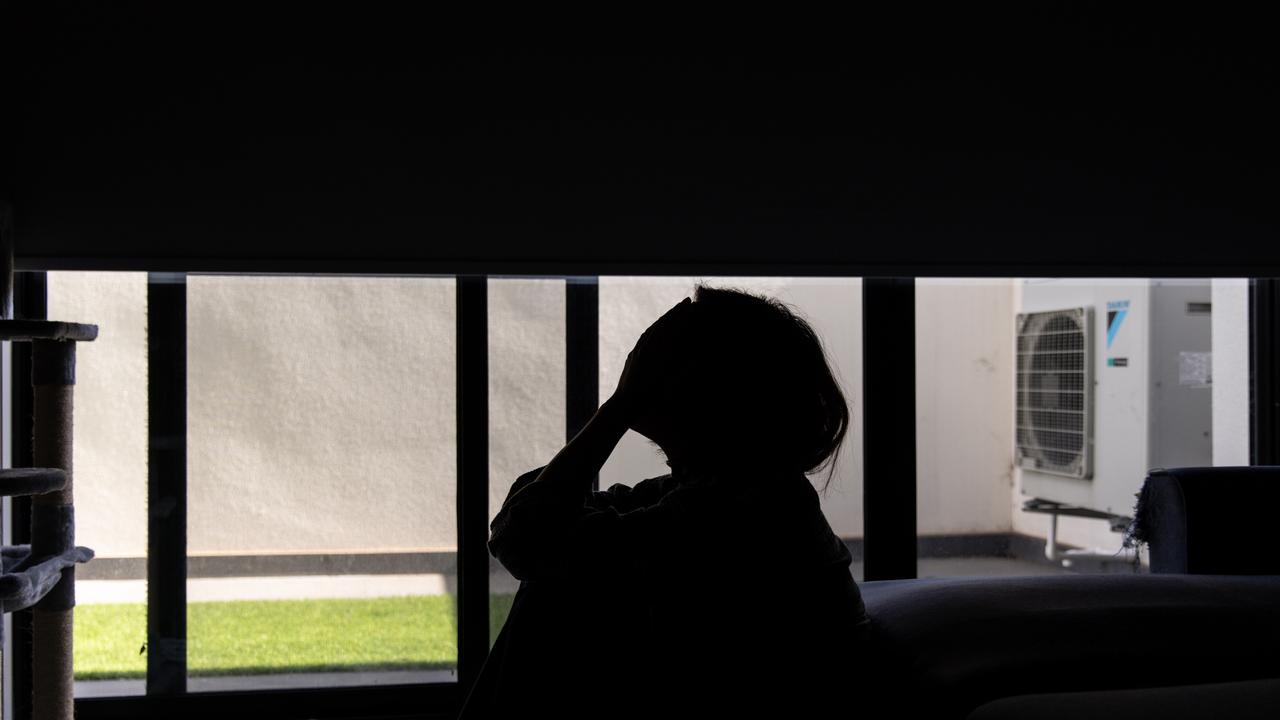
The vast majority of violence against First Nations women never comes to the attention of police. (Diego Fedele/AAP PHOTOS)

It's well known that Aboriginal and Torres Strait Islander women experience domestic and family violence at disproportionate rates.

But the harrowing statistics never cease to shock Tanya Frazer, the manager at Integrated and Family Youth Services on Queensland's Sunshine Coast.

"First Nations women are 32 times more likely to be hospitalised for domestic and family violence ... and are ten times more likely to die due to an assault - that's phenomenal," she said.

Tanya Frazer
Tanya Frazer says First Nations people are more likely to experience racism and harassment online. (PR IMAGE PHOTO)

"Yet they're also less likely to report the violence, with a deep mistrust of police and child protection systems ... fearing reporting will lead to child removal or criminalisation of family members."

As 16 Days of Activism against gender-based violence begins on Tuesday, with a particular focus on ending digital violence Ms Frazer said First Nations people are more likely to have negative experiences, including racism and harassment online.

Those living in regional or remote areas experience more technology-facilitated abuse than their urban counterparts, Ms Frazer said.

Image-based abuse was also more common for Indigenous people, who were three times more likely to report intimate images being distributed without their consent than non-Aboriginal people.

"The figure is 23 per cent versus eight per cent so it's a significant difference," she said.

The Australian Institute of Health and Welfare estimates that 90 per cent of violence against First Nations women never comes to the attention of police or support services.

This means some of these statistics could be conservative, she said.

This under reporting is exacerbated by a number of barriers Indigenous women face when they experience abuse, including lack of access to services, generational trauma and the misidentification of First Nations women as the main aggressor in domestic violence situations.

Addressing structural drivers of violence, like poverty and housing equality, are essential to tackling domestic and family violence, she said.

a young woman on her mobile phone
Image-based abuse is more common for Indigenous people. (Lukas Coch/AAP PHOTOS)

Pointing to the example of a woman who would ask to put her phone in the freezer when she came to appointments, Ms Frazer said being able to provide other supports like new tech can be life-changing for someone escaping violence.

"She thought he (the perpetrator) might be listening, he was also tracking where she was," Ms Frazer said.

"When she wanted to escape we were able to provide her with a DV safe phone. We were able to input our number and other safe numbers that she needed and she could leave her phone behind and escape."

Founder and chief executive of DV safe phone Ashton Wood said young women were experiencing technology-based violence even before they finished high school. 

"Without access to safe, private device, victims cannot call for help, access support services, or even communicate with people they trust," he said.

"This leaves young girls feeling trapped and perpetuates the cycle of abuse."

13YARN 13 92 76

Lifeline 13 11 14

Sign up to read this article
Read news from 100’s of titles, curated specifically for you.
Already a member? Sign in here
Related Stories
Top stories on inkl right now
One subscription that gives you access to news from hundreds of sites
Already a member? Sign in here
Our Picks
Fourteen days free
Download the app
One app. One membership.
100+ trusted global sources.