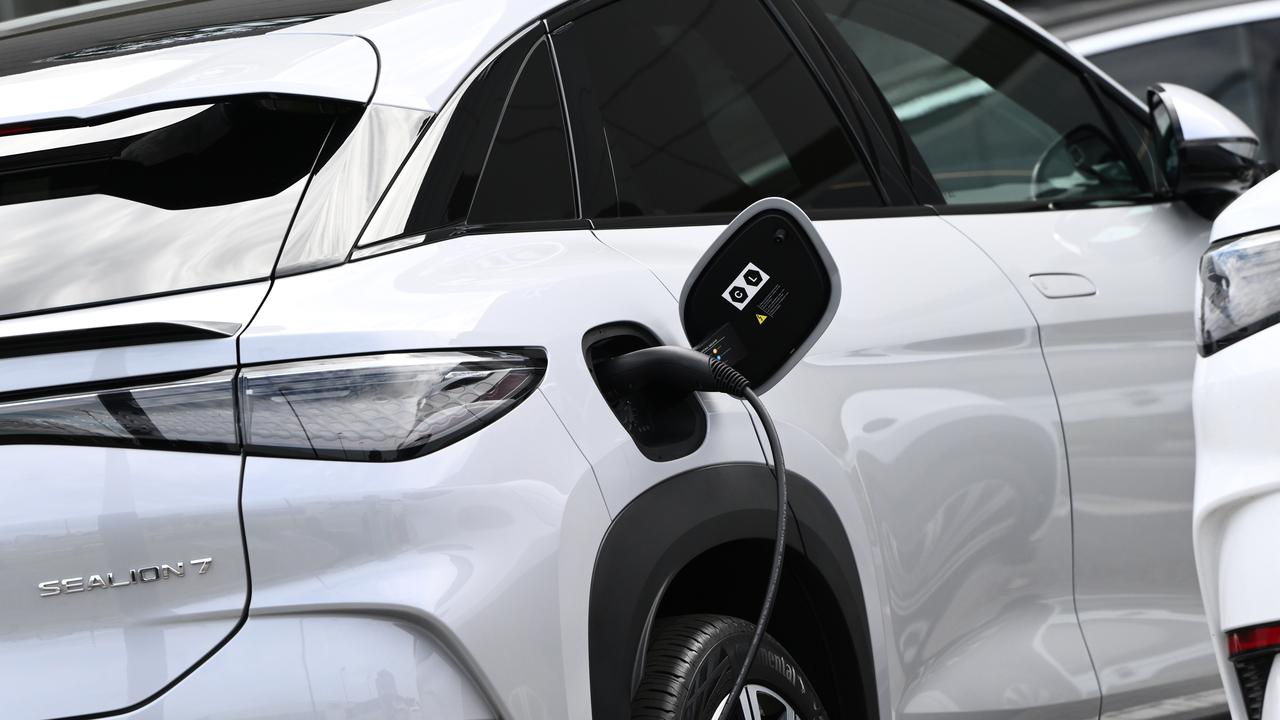
Global oil shortages are driving more motorists to buy electric vehicles, with predictions they could account for almost one in three cars sold worldwide within a year.
Australian drivers could be among those behind the trend after a report found local motorists would save an additional $688 with an EV due to record petrol price increases.
The International Energy Agency released the findings on Thursday in its annual report on the sector, which also found electric vehicles were on track to represent half of all vehicles sold in 2035.
The forecast comes after Australians bought a record number of electric and hybrid vehicles in March and April following fuel shortages caused by conflict in the Middle East.
The agency's Global EV Outlook 2026 report, which combines sales data with analysis, found electric cars sales exceeded 20 million in 2025, representing a rise of 20 per cent.
Europe recorded the strongest EV growth with sales up by 30 per cent, while Southeast Asian countries such as Vietnam, Indonesia and Thailand more than doubled the number of electric car sales.
Their popularity remained steady in the US and slowed slightly in China, where they made up more than half of all vehicle sales, but International Energy Agency executive director Fatih Birol said the year represented a turning point.
"Electric car sales set new records in close to 100 countries last year," he said.
"The growing popularity of EVs has marked a major shift for car makers and the energy system as a whole, and it is providing some relief now amid the largest oil supply shock in history."
Global fuel shortages were expected to draw consumer attention to the lower running costs of electric vehicles, the report said, and would help them reach 23 million sales in 2026, representing 28 per cent of all car sales.
Australian motorists were hit particularly hard by rising fuel prices - up by 34 per cent in April compared with 2025 - which meant they could save an additional $US490 a year ($688) by swapping a petrol car for a battery-powered model.
The figures showed low-emission cars were becoming an even better investment, Electric Vehicle Council policy head Aman Gaur said.
"People around the world are making the sensible decision to step into EVs, which are cheaper to run and aren't dependent on expensive, foreign fuels," he said.
But growth in electric cars could be affected by further fuel excise cuts, the report noted, and also by rising electricity prices.
Australians bought more than 15,400 electric cars in April, according to figures from the Federal Chamber of Automotive Industries and Electric Vehicle Council, representing 16.4 per cent of all new car sales.