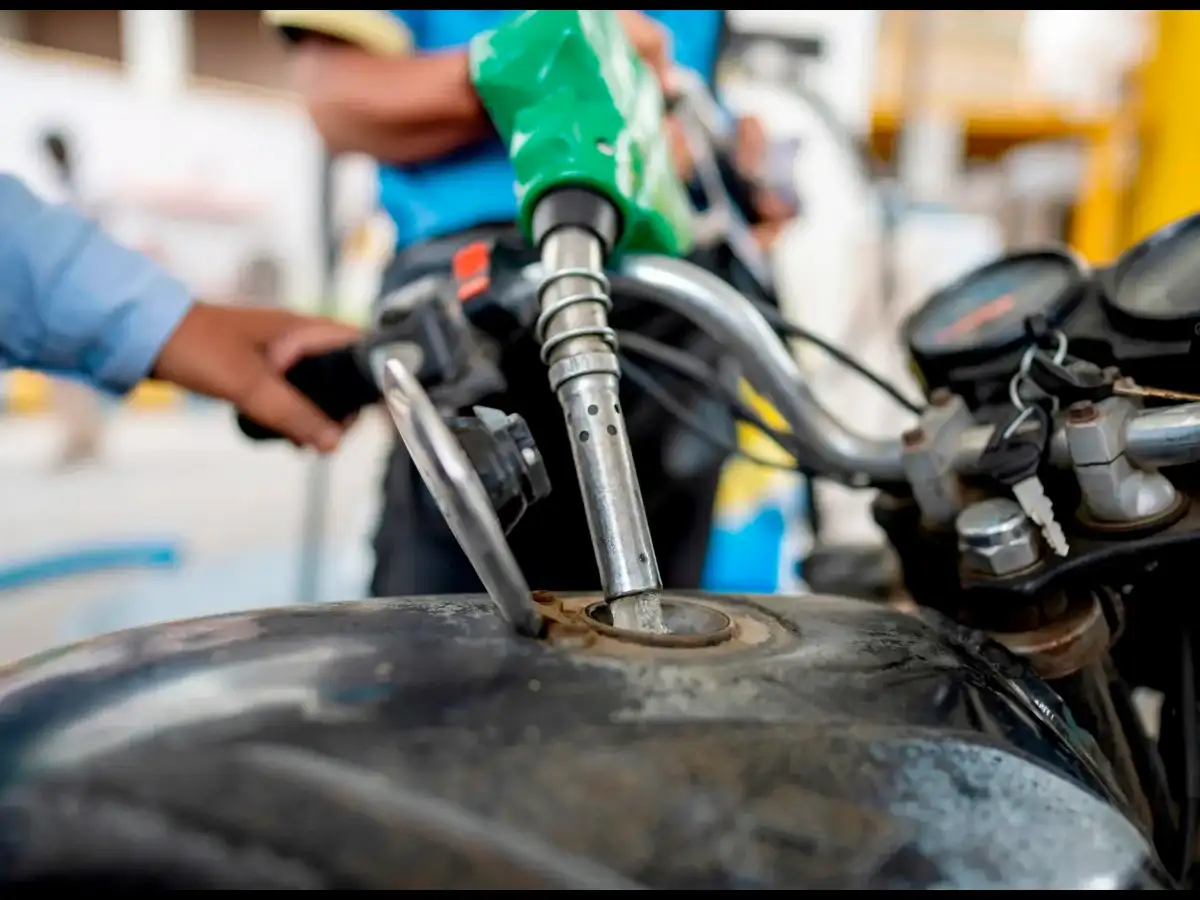
Petrol and diesel prices remained unchanged across major Indian cities on June 14, 2026, providing some relief to consumers after a series of fuel price hikes over the past few weeks. Oil marketing companies (OMCs) continued to hold retail fuel rates steady despite ongoing volatility in global crude oil markets and geopolitical developments affecting energy supplies.
Fuel prices had witnessed a sharp increase in May, with petrol and diesel rates rising by more than ₹2.50 per litre on May 25. Since mid-May, cumulative revisions have pushed retail fuel prices up by nearly ₹7.50 per litre, taking them to their highest levels in over two years.

Petrol Price in Delhi Today
According to the latest update, petrol is being sold at ₹102.12 per litre in Delhi on June 14. Prices in the national capital have remained unchanged for several consecutive days following the latest revision.
| Date | Petrol Price in Delhi |
|---|---|
| June 14, 2026 | ₹102.12/litre |
| June 13, 2026 | ₹102.12/litre |
| June 12, 2026 | ₹102.12/litre |
| June 11, 2026 | ₹102.12/litre |
| June 10, 2026 | ₹102.12/litre |
Petrol Prices in Major Indian Cities
Fuel rates continue to vary across states due to differences in VAT, local taxes and transportation costs.
| City | Petrol Price (per litre) |
|---|---|
| Delhi | ₹102.12 |
| Mumbai | ₹111.18 |
| Kolkata | ₹113.47 |
| Chennai | ₹107.87 |
| Bengaluru | ₹110.89 |
| Hyderabad | ₹115.69 |
| Noida | ₹102.12 |
| Ghaziabad | ₹102.10 |
| Lucknow | ₹101.86 |
| Indore | ₹114.58 |
| Vijayawada | ₹117.48 |
| Darjeeling | ₹113.18 |
| Jabalpur | ₹114.61 |
| Kanchipuram | ₹108.35 |
| Pune | ₹111.49 |
Why Fuel Prices Differ Across States
Petrol and diesel prices in India are influenced by several factors, including international crude oil prices, the rupee-dollar exchange rate, refinery costs and transportation expenses. Since petroleum products are not covered under the Goods and Services Tax (GST), state governments levy their own Value Added Tax (VAT), leading to significant price differences across regions.
India has followed a dynamic fuel pricing mechanism since June 2017, under which petrol and diesel prices are revised daily at 6 am based on global market trends.
What Led to the Recent Fuel Price Hike?
The sharp increase in fuel prices during May was largely attributed to disruptions in global energy markets caused by tensions in West Asia. Market concerns intensified over the security of the Strait of Hormuz, a crucial shipping route that handles nearly one-fifth of the world's oil and gas supplies.
As India imports the majority of its crude oil requirements, any disruption in global supply routes directly affects domestic fuel prices. Oil companies passed on part of the increased import costs to consumers through multiple price revisions.
Will Petrol and Diesel Prices Come Down?
Union Petroleum and Natural Gas Minister Hardeep Singh Puri recently indicated that fuel prices could ease in the coming months if international crude oil prices continue to soften.
The minister said India currently has adequate fuel reserves and is also exploring additional energy imports from countries such as Canada and the United States to strengthen long-term energy security. However, he warned that any escalation in geopolitical tensions could once again put upward pressure on crude oil prices.
Crude Oil Prices Show Signs of Cooling
Global oil prices declined sharply on Friday amid optimism surrounding efforts to restore normal shipping through the Strait of Hormuz and reduce tensions in the Middle East. Brent crude fell 5 percent to $85.86 per barrel, while US benchmark West Texas Intermediate (WTI) dropped 5 percent to $83.32 per barrel.
For now, petrol and diesel prices remain unchanged across the country, but consumers and markets will continue to closely monitor developments in global crude oil markets, which remain the key driver of fuel prices in India.