
Eleven days after Peruvians went to the polls in one of the tightest presidential contests their country has ever staged, the June 7 runoff between Keiko Fujimori and Roberto Sánchez still has no certified winner — and the two are separated by a margin so slender that neither can plausibly claim victory.
The current count leaves the candidates almost indistinguishable. According to figures from the National Office of Electoral Processes (ONPE) for a June 18 update, Fujimori, who leads the conservative Popular Force, has a total of 9,164,191 votes, or 50.115 percent, against Sánchez's 9,123,071, or 49.995 percent — a gap of 41,920 votes out of more than 18 million cast. The tally has progressed to 99.444% of the total votes.

What happens next
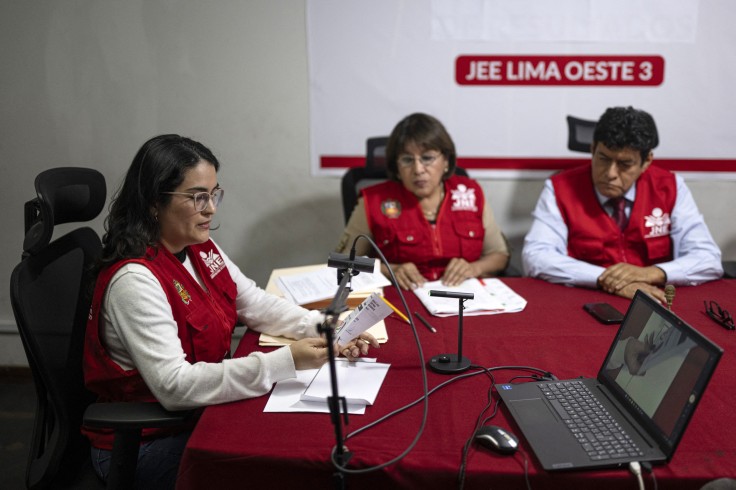
The ONPE tally is not the last word. Final certification rests with the National Jury of Elections (JNE), which still has to work through a large block of challenged ballots. Votes from more than 1,600 polling stations — roughly 400,000 ballots in all — were flagged for review and of which approximately 200,000 ballots remain to be counted. Those records go to special regional juries (JEE), which recount them in front of party observers before anything is finalized.
On top of that sits a separate and larger fight. Sánchez's team has asked for votes from about 2,400 polling stations to be annulled outright, alleging irregularities at some 1,750 stations inside Peru — most of them in Lima — and at roughly 650 more in the United States. The JNE will carry out a hearing on June 19 to rule on that request but will most likely reject the requests. Peru's foreign ministry has said it found nothing wrong with how ballots cast abroad were handled. The jury has indicated it expects to declare an official winner on July 15, comfortably before the July 28 inauguration.
Echoes of 2021
The deadlock rhymes uncomfortably with the previous cycle. In 2021, Fujimori lost a runoff to Pedro Castillo by a similarly thin margin, alleged fraud without supplying evidence, and watched the process stall for weeks — at one point a judge on the review panel resigned, and certification did not land until late July. International monitors eventually judged that vote clean. This time, the executive branch has so far portrayed the reported problems as isolated irregularities unlikely to alter the outcome.
The stakes
Whoever prevails inherits a divided electorate and a Congress that neither side fully commands. Fujimori's bloc arrives as the largest minority and could edge toward a workable alliance with the right; Sánchez would need to stitch together a broader, more centrist coalition to govern. The victor replaces interim President José María Balcázar — Peru's ninth leader in a decade — a reminder of how much a clean, accepted result matters to a country worn down by churn at the top. As one analyst noted, whoever wins will face roughly half the nation in opposition.
For now, Peru waits — again.







