When I was 16 or 17, I became obsessed with young men falling into canals on New Year’s Eve. Local news seemed to thrive off stories of drunken teenagers stumbling home from nightclubs, too inebriated to hail a taxi, and getting lost in bodies of water. I convinced myself that this was extremely common (it isn’t). That, if I let down my guard, it would happen to me, too (it didn’t). I never knew whether horrors like this occurred most often around new year, or whether the news just seemed to cover them more then, but it always felt like fitting timing: take some of the most depressing few days on the calendar, then pile onto it one of the most ghoulish, anxiety-inducing scenarios imaginable. Instant multi-tiered misery.
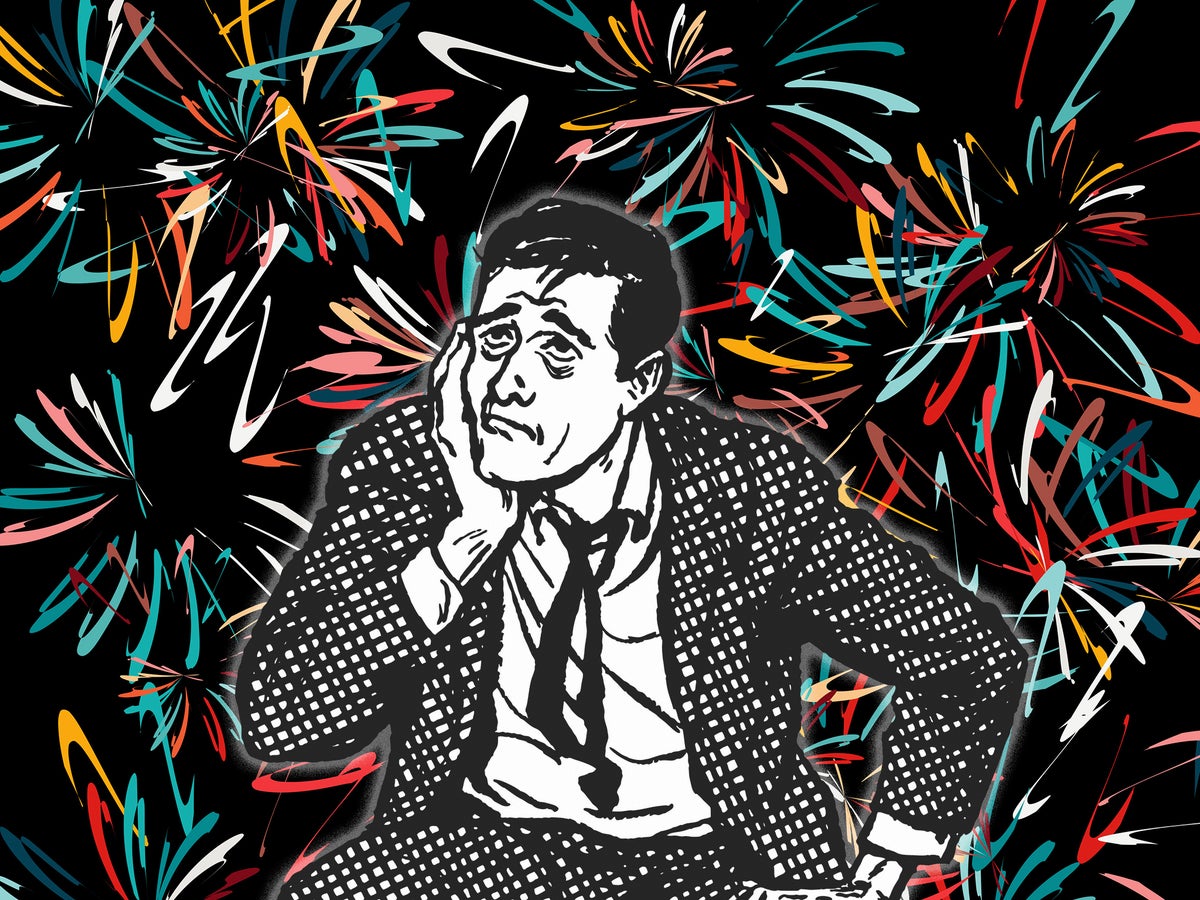
For as long as I’ve been conscious of “going out out” on New Year’s Eve, I’ve associated the 31st of December with mild panic and grisly death. This could, though, be termed a chronically paranoid person’s version of average new year’s melancholy, a condition that affects, well, pretty much everyone. Various polls over the years have confirmed that we generally find New Year’s Eve to be a horror show, or at least unusually exhausting for what is allegedly a lot of fun. One 2012 study claimed that Brits think of it as “the most depressing night of the year”, which seems accurate.