
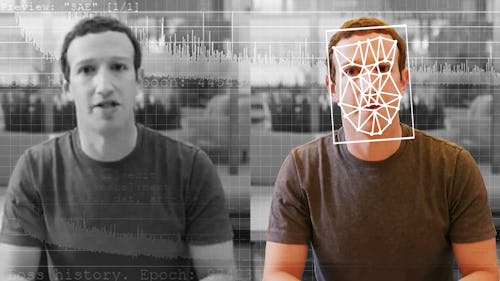
Some of the first instances of online-trickery in the mid 90s through the early aughts arrived in the form of fraudulent emails meant to trick users into giving away personal information. Since the proliferation of phishing, spam filters for personal emails improved and scammers had to set their sights on other, larger targets. Now, as technology has advanced and we’ve come to craft identities online, more nuanced gimmicks have emerged with deepfake technology.
Since Gal Gadot’s face was superimposed onto a porn video in late 2017, questions surrounding the darker implications of this sort of tech have arisen — will trust in the digital mediums that the public uses to consume their daily share of information erode? Accordingly, it’s been critical to gauge whether or not people are able to spot a deepfake. A recent study published in PNAS suggests that this ability is... lacking.